Zimbabwe’s tourism industry is set for a significant upswing, buoyed by the expansion of the country’s major airports to accommodate more passengers. Officials from the nation’s tourism and aviation sectors expressed their optimism during the recently concluded Sanganai/Hlanganani World Tourism Expo, held in Bulawayo, Zimbabwe’s second-largest city.
“Aviation is an enabler, a catalyst in the development of Zimbabwe’s economy, particularly in the realm of tourism,” said Passmore Dewa, the manager of Joshua Mqabuko Nkomo International Airport in Bulawayo.
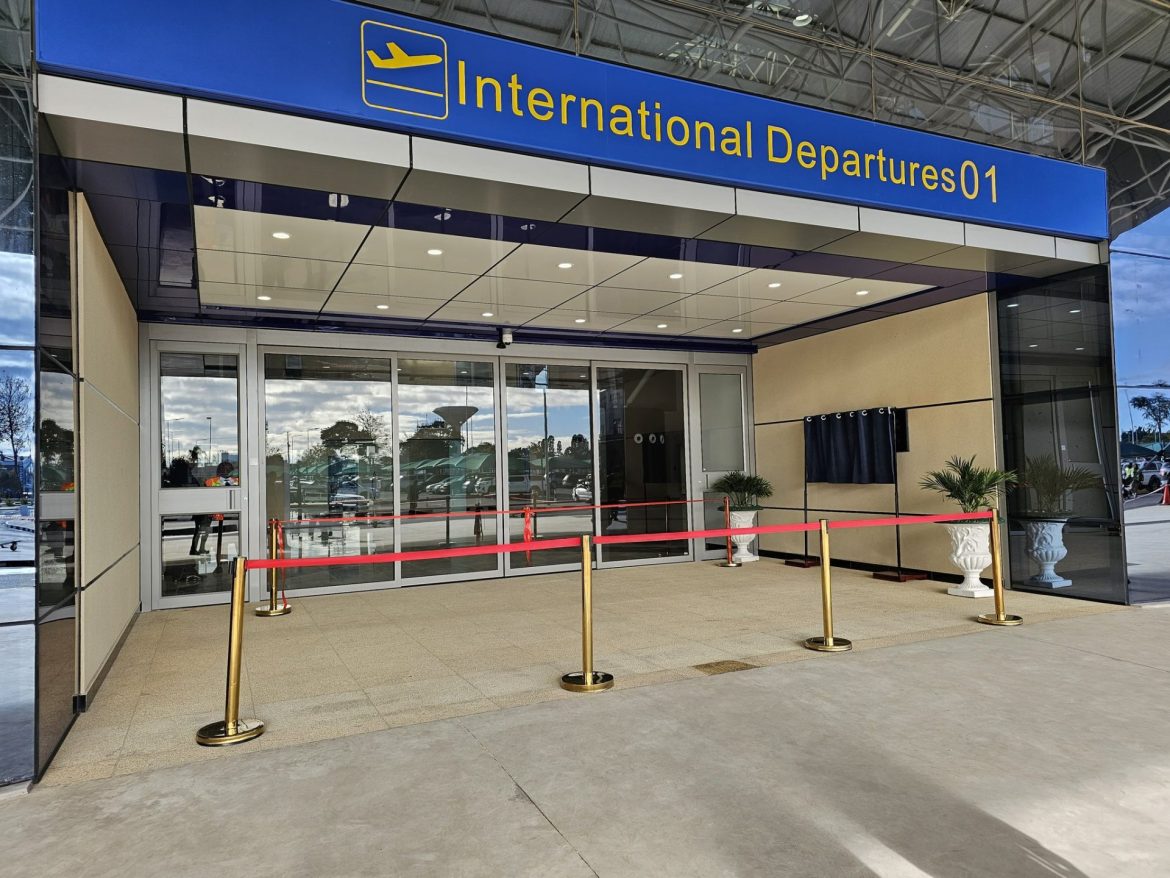
The three-day Expo spotlighted the promising prospects of Zimbabwe’s tourism sector, underpinned by the modernization of the country’s two major airports: the Robert Gabriel Mugabe International Airport (RGMIA) and Victoria Falls International Airport, a joint effort with China. This infrastructure upgrade has elevated the total airport passenger handling capacity to 9.5 million from 5 million, offering foreign tourists more options for direct access to the major airports in Harare, Bulawayo, and Victoria Falls, according to Tarirai Musonza, chief director for Tourism and Hospitality Management.



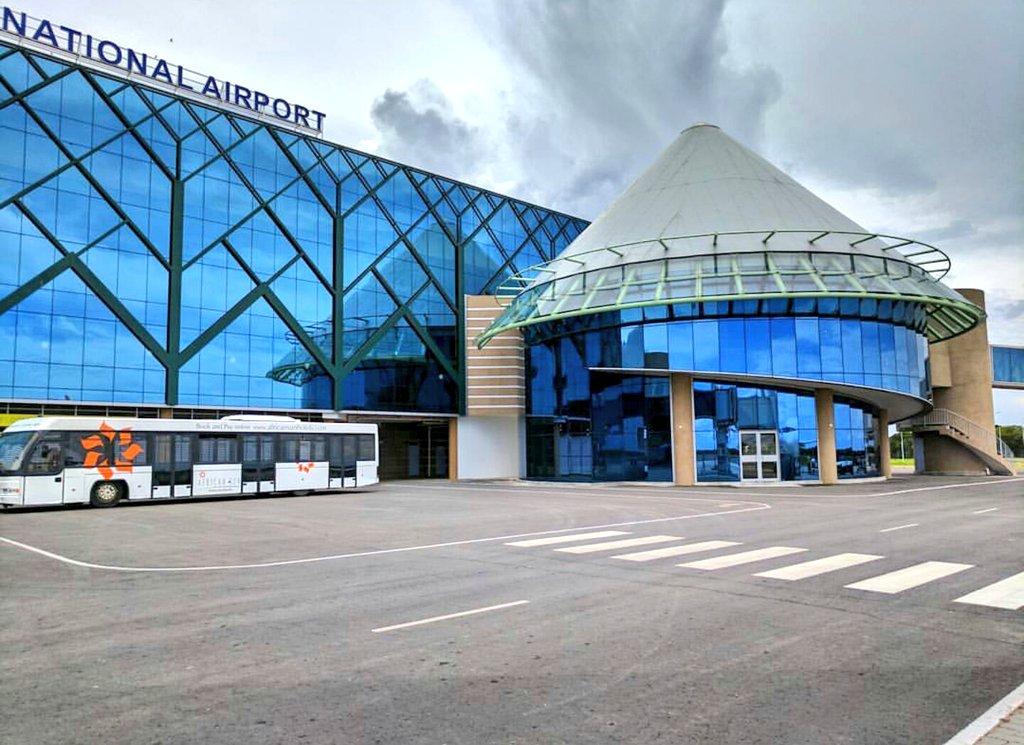
“The opening of the new airport capable of landing wide-bodied aircraft has been a game-changer for Zimbabwe as a destination,” Musonza stated, highlighting RGMIA’s increased capacity to handle over 6 million passengers, compared to the previous 1.5 million.
The results of these upgrading projects are already evident, with an influx of international airlines increasing their services to the country. The renovated RGMIA, commissioned by President Emmerson Mnangagwa in July, has been lauded as “magnificent” and in line with international standards.

African budget airline Fastjet has played a pivotal role in positioning Victoria Falls, Zimbabwe’s premier tourist destination, as a national and regional tourism hub now that the airport has been modernized. Fastjet has introduced new routes connecting Victoria Falls to previously underserved domestic tourist destinations, including Hwange National Park and Kariba, as well as to South Africa and Botswana.
“As Fastjet, our business model hinges on robust air connectivity, with a focus on establishing Victoria Falls as a tourism hub,” said Vivian Ruwuya, the airline’s chief commercial officer.
Andrew Makona, CEO of Air Zimbabwe, emphasized their goal of reviving the national airline into a sustainable entity that can adapt to changing conditions. The airline’s vision is to make RGMIA the country’s business hub and Victoria Falls the tourism hub.
Wengayi Nhau, president of the Tourism Business Council of Zimbabwe, stressed the importance of further airport infrastructure development, aligning with the country’s Vision 2030 – the long-term goal of becoming an upper-middle-income society by 2030.
Zimbabwe’s tourism is showing positive signs of recovery after the pandemic, with both tourist arrivals and investments on an upward trajectory. The government’s ambition is to cultivate a $5 billion tourism economy by 2025.