Zimbabwe’s monthly inflation rate eased to 11.7% in November, marking a significant decline from the 37.2% recorded in October, according to data released by the Zimbabwe National Statistics Agency (ZIMSTAT) on Tuesday.
The notable reduction—25.5 percentage points—signals an improvement in the country’s economic stability following a turbulent period marked by sharp currency devaluation. The Zimbabwean Gold (ZiG), a gold-backed digital currency introduced to anchor the local financial system, was devalued by 43% in September, triggering a spike in inflation that peaked in October.
This return to relative stability underscores the central bank’s recent measures to bolster the currency, although the broader implications for consumer spending and business confidence remain uncertain. The last instance of double-digit monthly inflation prior to October occurred in August 2022, during a similarly volatile period for the economy.



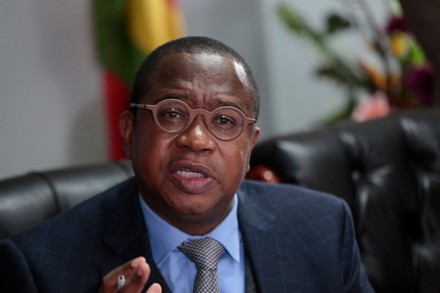
The inflation data comes ahead of the 2025 national budget presentation, scheduled for Thursday. Finance Minister Mthuli Ncube is widely expected to outline further measures to solidify the use of the ZiG in domestic transactions, with an emphasis on fostering price stability and enhancing liquidity.

Despite these developments, Zimbabwe’s economic environment remains precarious, with inflationary pressures still well above regional norms. Analysts anticipate that the success of the ZiG in restoring long-term confidence will hinge on the government’s ability to maintain fiscal discipline and implement complementary structural reforms.