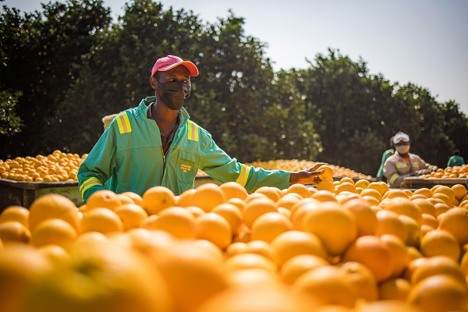
Zimbabwean citrus growers and producers have reason to celebrate as fresh citrus from the country can now be exported to China. The Chinese Embassy in Zimbabwe made the exciting announcement through a tweet, revealing that the General Administration of Customs of China has released a list of registered Zimbabwean orchards and packhouses authorized for citrus exports. This development comes after the signing of a citrus protocol between Zimbabwe and China in 2022, opening doors for increased trade and economic growth.
With approximately 4,000 hectares of land dedicated to citrus cultivation and a favorable climate for production, Zimbabwe has long been recognized for its potential in the agricultural sector. The approval of 11 citrus orchards and six packhouses for exports to China marks a significant milestone for the country. China, with its massive population of over 1.4 billion, represents a vast market for Zimbabwean citrus, offering the opportunity for increased profitability and improved livelihoods for local farmers.
The citrus industry in Zimbabwe is expected to reap numerous benefits from this new export opportunity. Access to the Chinese market presents a chance for citrus growers and producers to expand their businesses and establish long-term trade relations. With the growing demand for fresh produce in China, Zimbabwean farmers can anticipate higher revenues and increased investments in the agricultural sector. This development also opens doors for technological advancements and infrastructure improvements, such as cold storage facilities and transportation networks, that will enhance the quality and freshness of exported citrus.



The strengthened trade relationship between Zimbabwe and China is exemplified by the significant surge in bilateral trade. In 2022, trade between the two nations reached a record high of 2.43 billion U.S. dollars, reflecting a remarkable 29.2 percent increase compared to the previous year. China, ranking as the third-largest importer of Zimbabwean goods, has become a vital trade partner for the country. The inclusion of fresh citrus in Zimbabwe’s export portfolio further cements this partnership and promises mutual growth and cooperation in various sectors.

While the news of Zimbabwean citrus gaining access to the Chinese market is undoubtedly positive, there may be challenges to overcome. Ensuring consistent quality and meeting the stringent phytosanitary and safety standards set by Chinese authorities will be of utmost importance. To address these challenges, Zimbabwean authorities can collaborate with their Chinese counterparts to establish robust quality control mechanisms, including regular inspections, certifications, and compliance with import regulations. Investments in modern infrastructure, such as cold storage facilities and transportation networks, will also be crucial in maintaining the freshness and quality of citrus during the export process.
The commencement of citrus exports to China represents a significant milestone for Zimbabwe’s agricultural sector and demonstrates the country’s competitiveness in the global market. This development not only benefits citrus growers and producers but also contributes to overall economic growth. As trade relations between Zimbabwe and China continue to strengthen, both nations can look forward to mutually beneficial collaborations in various sectors, fostering sustainable development and shared prosperity.
With the start of fresh citrus exports to China, Zimbabwe’s agricultural industry is poised for expansion and prosperity. This newfound access to the Chinese market not only showcases the quality and potential of Zimbabwean citrus but also signifies a new chapter in the country’s agricultural exports. As Zimbabwe establishes itself as a reliable supplier of fresh citrus to China, the future holds promising opportunities for growth, investment, and economic development in the agricultural sector.