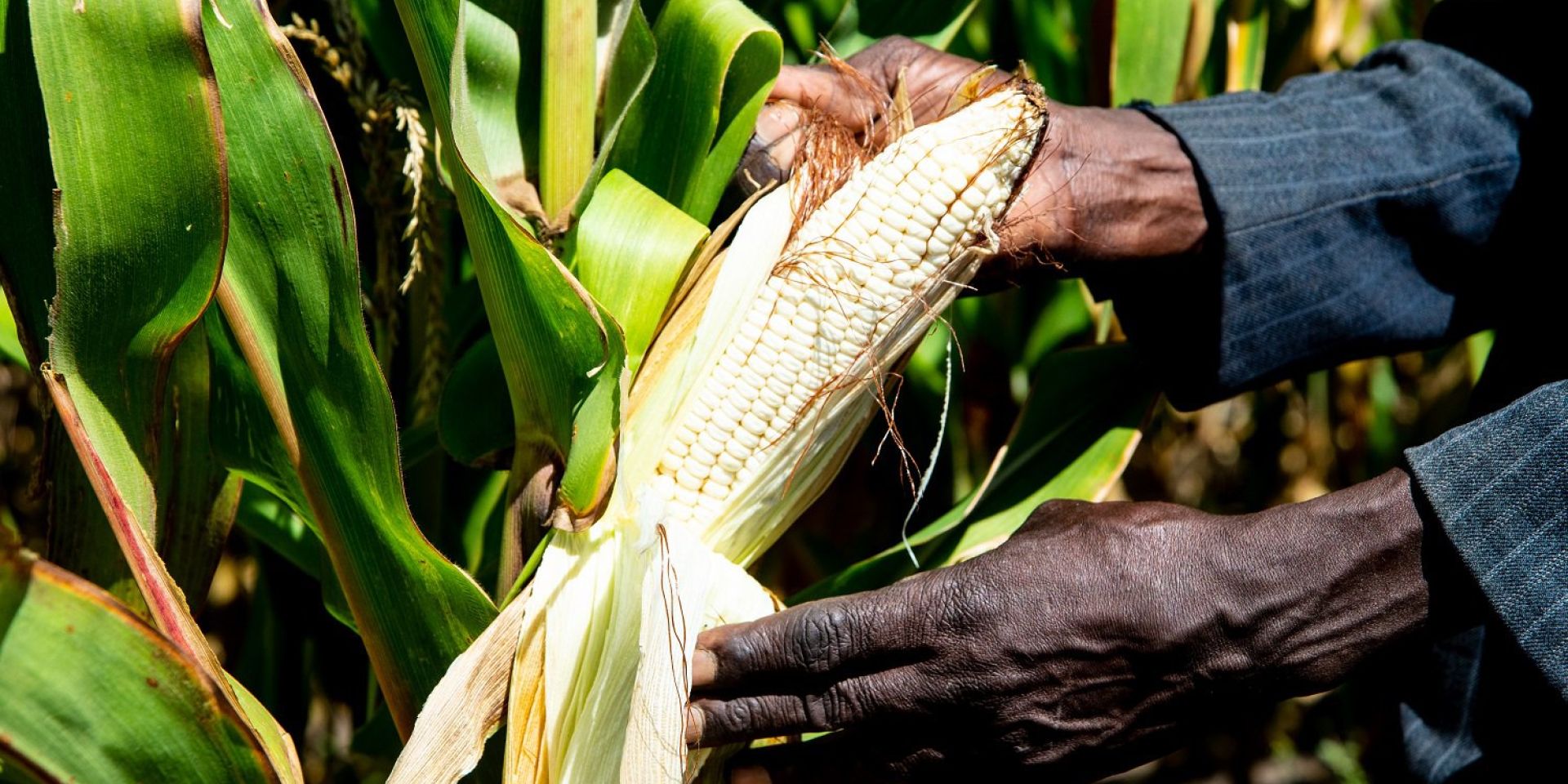
Zimbabwe has projected a dramatic resurgence in maize production for the 2024–2025 agricultural season, marking a significant turnaround from the crippling El Niño-induced drought that devastated the sector last year. The government has forecast a total maize output of approximately 2,928,206 metric tonnes, a nearly 361% increase from the previous year’s 635,000 metric tonnes, driven by improved rainfall patterns and enhanced state support to the grain sector.
The projection was announced by the Minister of Information, Publicity and Broadcasting Services, Jenfan Muswere, during a post-cabinet media briefing in Harare on Tuesday. The anticipated harvest will comfortably exceed Zimbabwe’s national grain requirement, estimated at 2.2 million metric tonnes annually, positioning the country to potentially achieve self-sufficiency in staple food supply after a prolonged period of vulnerability.
The drought in 2023, one of the worst in decades, slashed national cereal output by 77% and left 60% of the population facing food insecurity, according to government reports. In response, President Emmerson Mnangagwa declared a national disaster in April 2024 and launched an international appeal for over USD 3 billion to mitigate the crisis. The drought was part of a broader climate shock across southern Africa, exacerbated by El Niño weather patterns that disrupted rain-fed agriculture in multiple countries.



According to the United Nations Food and Agriculture Organization (FAO) and the World Food Programme (WFP), Zimbabwe has now been removed from the global “hunger hotspots” list, a move that reflects growing confidence in the nation’s near-term food security prospects. The delisting is based on improved agricultural output forecasts and government interventions that have stabilised grain marketing operations.
Central to these interventions is the continued support for the Grain Marketing Board (GMB), the state’s principal grain procurement agency. The government has committed to ensuring that the GMB remains adequately resourced to facilitate timely payments to farmers, thereby incentivising production and ensuring market fluidity.

Experts have cautioned, however, that while the current rebound is promising, longer-term resilience will depend on sustained investment in irrigation infrastructure, drought-resistant crop varieties, and early warning systems. As climate variability increases across the region, Zimbabwe’s agricultural strategy will need to adapt to avoid recurrence of such acute food shortages.

The turnaround in maize production underscores the critical role of climate variability in shaping agricultural outcomes in southern Africa. With one season’s recovery unlikely to erase systemic vulnerabilities, the need for climate-resilient farming practices remains paramount.
Nonetheless, the forecasted grain surplus has generated cautious optimism among policymakers, humanitarian agencies, and agricultural stakeholders. If fully realised, the 2025 harvest could mark a pivotal step in Zimbabwe’s efforts to stabilise domestic food supplies and reduce dependence on imports or food aid.