Zimbabwean officials have reached out to the United States for assistance in clarifying recent updates to sanctions, which could open doors for American entities to reassess their relationships with the southern African country. The request comes amidst Zimbabwe’s efforts to restore its banking connections, strained over the past two decades due to economic sanctions.
In March, the US updated its sanctions program, signaling a potential shift in its stance towards Zimbabwe. However, while some sanctions were eased, others remain in place, including those targeting President Emmerson Mnangagwa and other senior officials.
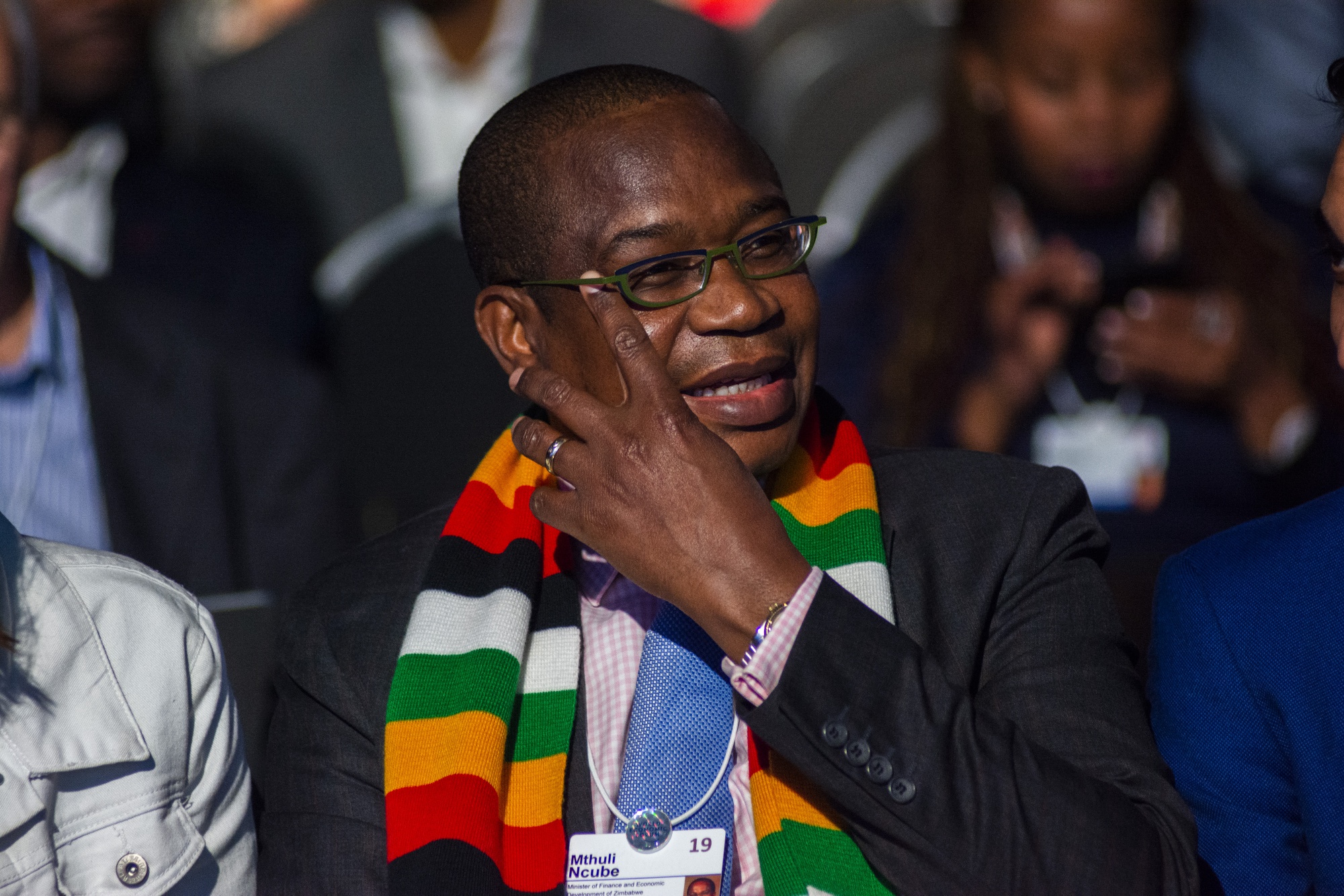
Finance Minister Mthuli Ncube, speaking during an online briefing from Washington, emphasised the importance of a clear advisory note from the US Treasury to American banks, signaling that sanctions have been lifted in certain areas, and Zimbabwe is open for business. This request underscores Zimbabwe’s eagerness to reengage with the international financial community.



The Reserve Bank of Zimbabwe estimates that the country has lost over 100 correspondent banking relationships due to perceived risks associated with sanctions. Correspondent banking relationships, particularly in US dollars, have been challenging to maintain, leading Zimbabwean banks to clear transactions through stronger banks in South Africa and elsewhere.

Lawrence Nyazema, President of the Bankers Association of Zimbabwe, highlighted the complex nature of banking relationships in the region, with a focus on US dollar transactions. He noted that most banks in Zimbabwe rely on indirect clearing arrangements due to the difficulties in establishing direct relationships with US banks.
Despite these challenges, George Guvamatanga, Secretary for Finance and Economic Development, assured that Zimbabwe’s banks have robust mechanisms to combat money laundering and terrorism financing. He cited Zimbabwe’s removal from the grey list two years ago as evidence of the country’s commitment to maintaining adequate controls.
The Zimbabwean delegation, currently in Washington for the Spring meetings of the International Monetary Fund and World Bank, seeks to promote Zimbabwe’s economic potential and foster stronger ties with international financial institutions. Clarifying the nuanced changes in US sanctions could be a crucial step towards rebuilding Zimbabwe’s banking relationships and revitalizing its economy on the global stage.