

The Government of the Republic of Zambia has announced that it requires approximately US$34.7 billion to fully implement its National Climate Change Adaptation Plan (NAP) over the period 2023 to 2035. The plan, formally launched in 2023, is a core component of the country’s development strategy, integrating climate resilience into broader socio-economic planning.
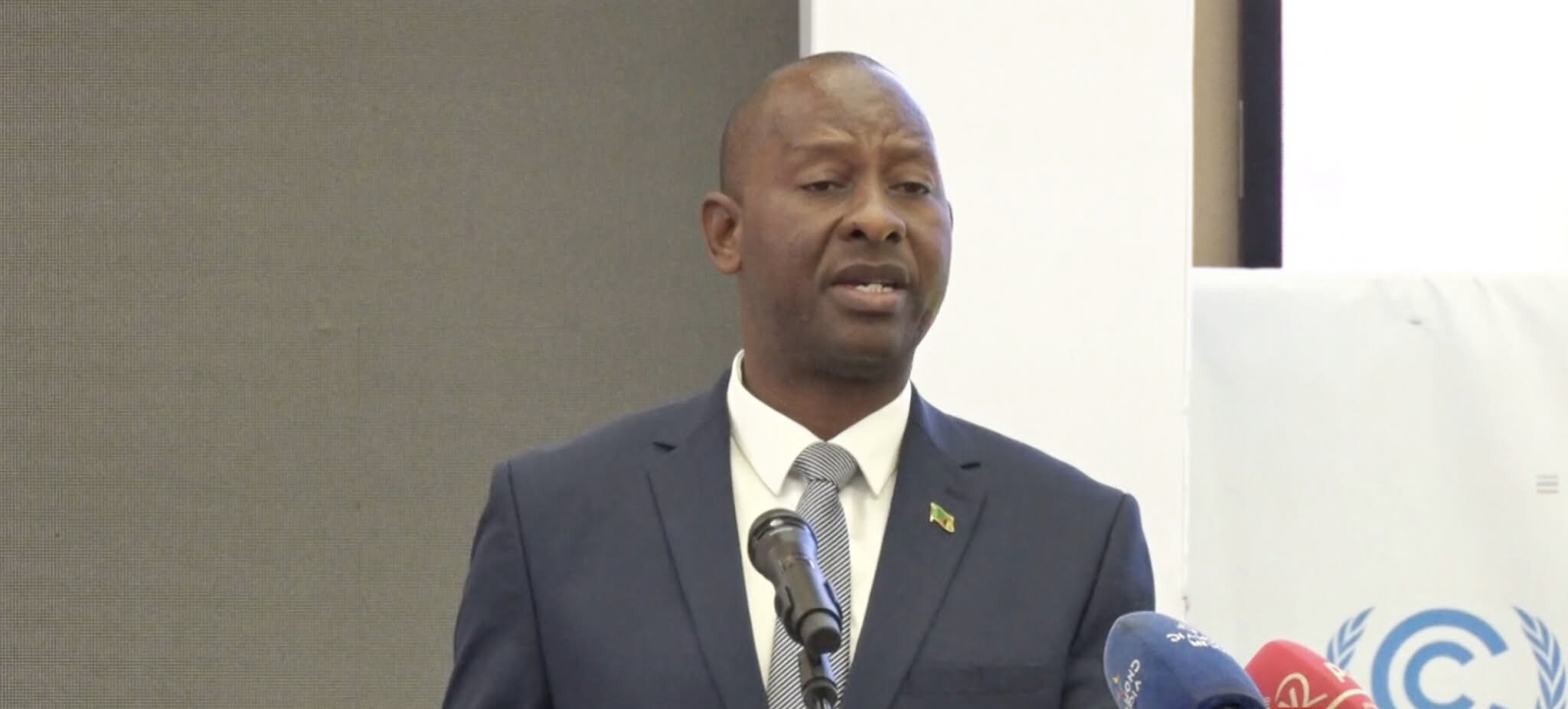
Speaking at the opening of the 2025 Global National Adaptation Plan Expo in Lusaka on 12 August, Minister of Green Economy and Environment Mike Mposha stated that the government is actively mobilising resources from a range of international and domestic sources. Funding efforts are being pursued through mechanisms under the United Nations Framework Convention on Climate Change (UNFCCC), the Global Environment Facility, and the Green Climate Fund.
In addition, the government is engaging with multilateral development banks, including the World Bank, the African Development Bank, and the International Finance Corporation, to secure concessional and blended financing. Zambia is also deploying innovative financial instruments, such as green bonds, to diversify funding channels and reduce reliance on traditional donor-driven mechanisms.



Minister Mposha emphasised that equitable access to climate finance remains a pressing challenge for many least developed countries. He called for adherence to principles of climate justice and equity, highlighting the responsibility of the global community to ensure scaled-up and predictable funding for adaptation in nations most affected by climate change but least responsible for its causes.
Zambia’s approach reflects a pan-African orientation, recognising that climate change adaptation is intrinsically linked to the continent’s socio-economic transformation. The adaptation plan prioritises climate-resilient agriculture, sustainable water management, infrastructure resilience, ecosystem restoration, and community-based adaptation initiatives. Such measures are not only crucial for safeguarding livelihoods but also for strengthening economic sovereignty in the face of environmental volatility.

Experts note that Zambia’s financing target is significant yet not unprecedented. Across Africa, similar national adaptation plans — from countries such as Kenya, Senegal, and Mozambique — have faced substantial funding gaps, underscoring the structural challenges in climate finance mobilisation. As the African Group of Negotiators on Climate Change has repeatedly stressed, meeting adaptation needs requires both increased global contributions and strengthened domestic resource mobilisation.
With the 2030 Sustainable Development Agenda and the African Union’s Agenda 2063 serving as guiding frameworks, Zambia’s blueprint is positioned as both a national and continental contribution to climate resilience. The challenge now lies in translating commitments into tangible, long-term financing agreements that will enable sustained implementation over the coming decade.


