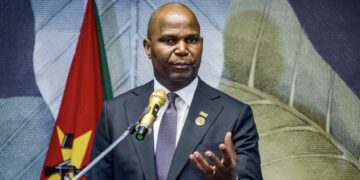
Ajay Banga, the President of the World Bank, has renewed calls for increased debt forgiveness from bilateral and commercial creditors, urging them to support developing nations. His remarks come at a critical time, particularly for African countries such as Zambia, Ghana, and Chad, which have experienced rising debt levels in recent years. These nations have found themselves caught between growing external debt and the need to invest in sustainable development.
From an African perspective, debt forgiveness could offer much-needed fiscal space to invest in infrastructure, healthcare, and education. Zambia, one of the nations highlighted by Banga, defaulted on its foreign debt in 2020. While the country has since been working with multilateral lenders like the World Bank to secure debt relief, bilateral and commercial creditors have been slower to act. Banga urged these creditors to adopt more concessional terms and longer repayment periods to ease the burden on African economies.
This is especially crucial given Africa’s limited access to international capital markets and the rising costs of borrowing, which have worsened due to global economic shocks like the COVID-19 pandemic and the ongoing war in Ukraine. African nations, rich in natural resources but burdened with high-interest loans, face the challenge of balancing debt repayments with critical development spending. Debt forgiveness would enable these countries to redirect funds towards essential sectors, driving economic growth and reducing poverty.




Banga also stressed that multilateral lenders must collaborate more closely with bilateral creditors to develop comprehensive debt relief packages. This could include reducing debt servicing costs, allowing African nations to allocate resources toward long-term investments in green energy, infrastructure, and social services. These efforts are crucial for enhancing Africa’s resilience against future crises and improving the continent’s ability to meet global development goals.
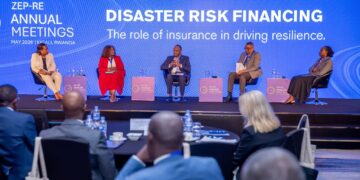
As the World Bank and IMF annual meetings approach, Banga’s call to action has placed Africa’s debt issues at the centre of global financial discussions. The outcomes of these meetings could significantly influence debt-relief strategies and, by extension, the future of economic growth in Africa. With many African countries prioritising debt over social services, a more coordinated and generous approach to debt forgiveness may offer a lifeline to millions.