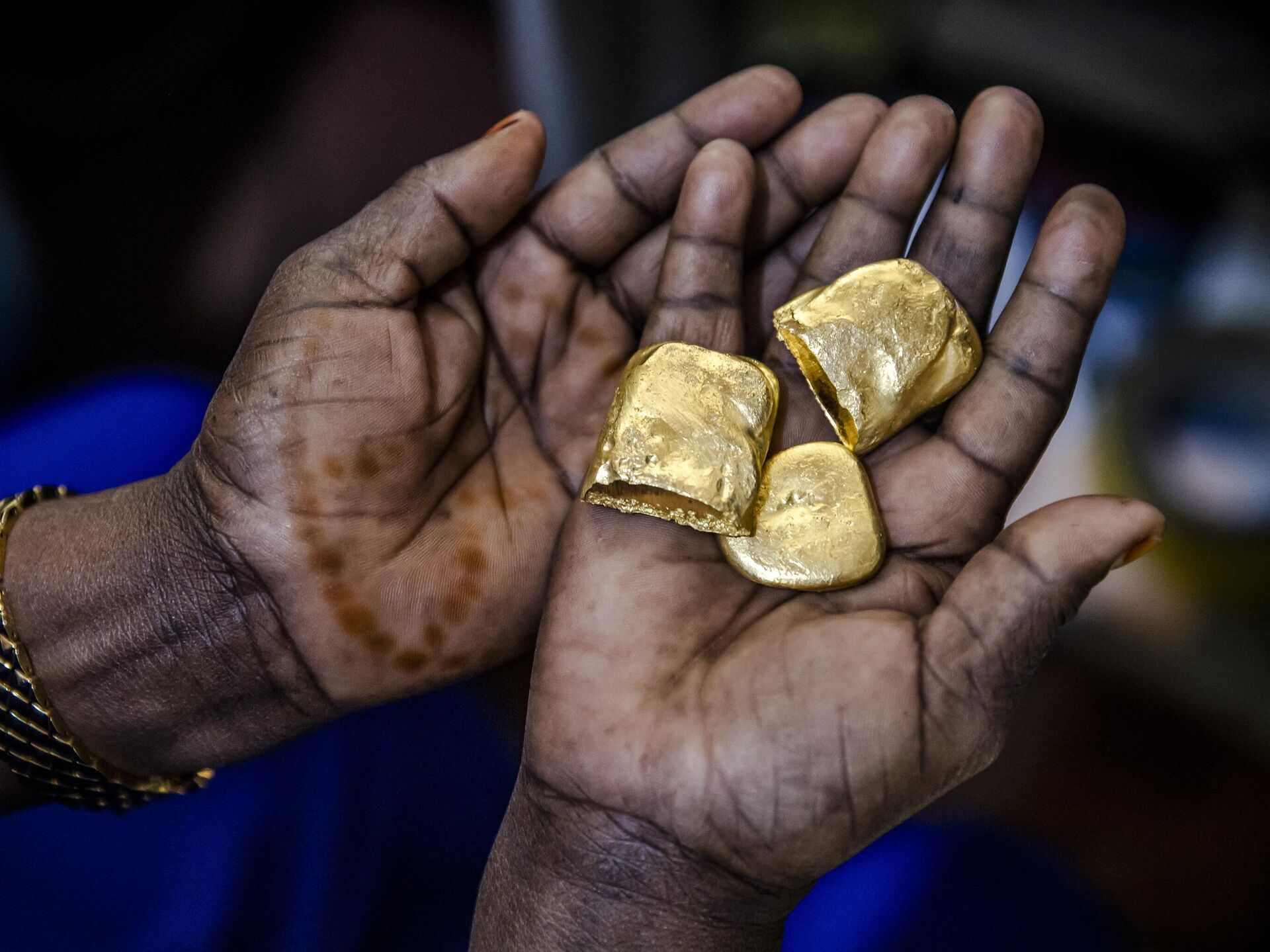
West Africa’s prominence as a global gold hub is rooted in a confluence of ancient geological processes and centuries of socio-economic evolution. The region, spanning modern-day Ghana, Mali, Burkina Faso, and Côte d’Ivoire, accounts for nearly 10% of the world’s gold production, a figure underscored by the World Gold Council. This abundance is not merely a contemporary phenomenon but the culmination of events spanning billions of years, intertwined with human history and exploitation.
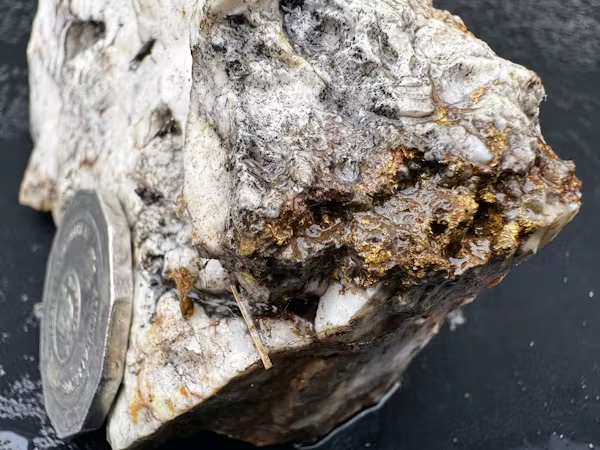
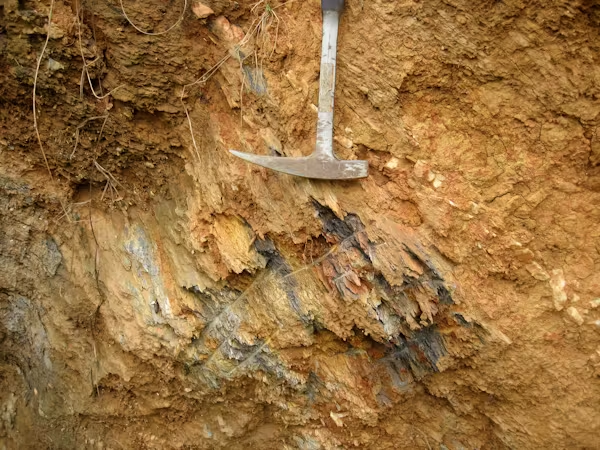
The geological narrative begins with the formation of the West African Craton, a stable continental shield dating back to the Archean Eon over 2.5 billion years ago. This ancient landmass, part of the broader Man Shield, underwent significant tectonic activity during the Eburnean orogeny approximately 2.1 billion years ago. The collision of tectonic plates generated immense heat and pressure, facilitating the concentration of gold-bearing fluids within quartz veins. Over millennia, erosion exposed these deposits, creating alluvial gold in riverbeds and sedimentary basins, a process detailed by the Geological Society of London. These formations laid the groundwork for both artisanal and industrial mining practices observed today.
Historically, West Africa’s gold wealth became a cornerstone of transcontinental trade. By the 5th century CE, the Trans-Saharan trade network connected the region to North Africa and the Mediterranean. Gold, alongside salt and ivory, became a coveted commodity, fostering the rise of empires such as Ghana (Wagadou), Mali, and Songhai. The Mali Empire, under Mansa Musa’s 14th-century reign, epitomised this golden age; his pilgrimage to Mecca, laden with gold, reportedly destabilised regional economies through inflation, as documented by the British Museum. These empires leveraged their control over goldfields and trade routes to amass wealth and influence, embedding gold into the cultural and economic fabric of West Africa.
Colonial exploitation in the 19th and 20th centuries marked a pivotal shift. European powers, notably Britain and France, restructured local mining practices to feed industrial demand. The British Gold Coast colony (modern Ghana) became a focal point, with industrial extraction techniques supplanting traditional methods. Post-independence, nations grappled with the legacy of resource extraction, balancing economic potential with equitable governance. Today, Ghana, Africa’s largest gold producer, and Mali, home to the Sadiola and Loulo-Gounkoto complexes, exemplify this duality, with mining contributing significantly to GDP while raising questions about resource sovereignty.
Contemporary mining in West Africa is characterised by a mix of large-scale industrial operations and artisanal small-scale mining (ASM). Companies such as AngloGold Ashanti and Barrick Gold Corporation dominate the sector, employing advanced technologies to access deeper deposits. However, ASM, which employs over 1 million people regionally according to the International Institute for Environment and Development, remains fraught with challenges, including environmental degradation and hazardous labour conditions. The proliferation of illegal mining operations has exacerbated deforestation and water pollution, prompting initiatives like Ghana’s Community Mining Scheme to formalise ASM and mitigate ecological harm.
Economically, gold exports are a fiscal linchpin for West African nations. In 2022, gold constituted over 90% of Burkina Faso’s export revenue, as reported by the Extractive Industries Transparency Initiative. Yet, this reliance underscores vulnerabilities, particularly in global market fluctuations. The 2020 surge in gold prices during the COVID-19 pandemic provided temporary fiscal relief but also intensified illegal mining activities, revealing systemic dependencies.
Environmental and social ramifications remain pressing. Open-pit mining and cyanide leaching have led to soil contamination and biodiversity loss, while community displacements and labour rights abuses persist. Initiatives such as the ECOWAS Mining and Petroleum Directive aim to harmonise regulations across member states, promoting sustainable practices. Nevertheless, enforcement gaps and corruption hinder progress, as noted by Transparency International’s Corruption Perceptions Index.
Looking ahead, West Africa’s gold reserves, estimated at 10,000 metric tons by the United States Geological Survey, promise continued relevance. However, maximising this potential demands addressing governance, environmental stewardship, and inclusive growth. Regional collaboration, as seen in the Africa Mining Vision, advocates for mineral resources to drive industrialisation and local value addition, rather than mere extraction.
In essence, West Africa’s gold narrative is a tapestry of geological fortune and human endeavour. From ancient cratons to modern economies, gold has shaped the region’s trajectory, offering lessons in resilience and resource management. As global demand persists, balancing exploitation with sustainability remains the paramount challenge.