Rare earth producers and developers have seen a surge in share prices following reports that the United States intends to build a strategic stockpile of these critical minerals. The move is a response to escalating trade tensions with China, which recently imposed new export restrictions on rare earth elements and permanent magnets, sending shockwaves through global supply chains. China currently processes approximately 90% of the world’s rare earths, leaving countries such as the United States highly exposed.
Nevada-based MP Materials, operator of the Mountain Pass mine, witnessed a share price surge of over 20% in New York following the rumours. The mine, previously dependent on China for processing, has taken steps to establish domestic refining capacity, including a new magnet manufacturing plant in Texas in partnership with General Motors. President Donald Trump is reportedly preparing to sign an executive order bolstering domestic supplies of rare earths, possibly including support for deep-sea mining initiatives.
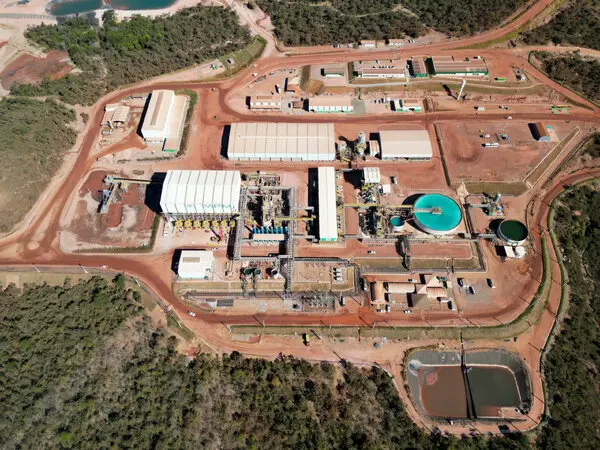
The geopolitical climate has created a highly favourable environment for emerging companies. Australian-listed St George Mining, whose shares rose 50% on the speculation, is advancing its Araxá project in Minas Gerais, Brazil. Executive chairman John Prineas emphasised that despite the presence of good deposits outside China, the West’s inability to independently separate and process rare earths remains a strategic vulnerability. St George’s hard rock deposit, unlike Brazil’s prevalent ionic clay deposits, offers environmental and permitting advantages, positioning it for rapid development.



Brazil, with its abundant high-grade resources and established mining infrastructure, is emerging as a key player in the non-Chinese rare earths supply chain. Initiatives such as MAGBRAS aim to establish domestic permanent magnet production, with participation from industry heavyweights like Stellantis. Companies such as Meteoric Resources and Viridis Mining and Minerals are positioning themselves to supply rare earths for Brazil’s expanding magnet-making capabilities.
David Franklyn of Argonaut Funds Management noted Brazil’s potential to become a dominant force in rare earths, capable of sustaining production at current price levels. St George’s Araxá project, with a resource of 40.6Mt at 4.13% Total Rare Earth Oxides (TREO), could be pivotal. The company is expediting permitting processes through agreements with the Minas Gerais government and is poised to commence an expanded drilling programme to enhance its resource base.
While hard rock projects such as Araxá are gaining momentum, ionic clay projects are also well-positioned. Brazilian Critical Minerals’ Ema project offers low capital and operating costs, enabling rapid entry to the market. Its scoping study forecasts a post-tax net present value (NPV) of US$498 million and a 55% internal rate of return, with production payback within 28 months. Managing director Andrew Reid highlighted the Western market’s acute shortage of uncommitted rare earth supplies, a gap that projects like Ema can fill with relatively low financial outlay.
Established producers are also experiencing renewed interest. Lynas Rare Earths, the dominant non-Chinese supplier, saw a 13% share price increase. The company has expanded its capacity in Australia and Malaysia and is developing a new manufacturing facility in Houston with support from the US Department of Defense.

Meanwhile, other Australian-listed juniors are advancing their Brazilian projects. Axel REE’s Caladão and Caldas projects have yielded promising drilling results, with MoUs signed to fast-track development with Minas Gerais state agencies. Meteoric Resources, rated a speculative buy by Canaccord, recently updated its global resource to 1.5 billion tonnes at 2,359ppm TREO, further solidifying its strategic value.
The developments in Brazil reflect broader shifts in the rare earths landscape, driven by geopolitical considerations and supply chain vulnerabilities. For Africa, the evolving dynamics present both opportunities and challenges. The continent holds considerable rare earths potential, particularly in countries like South Africa, Burundi, and Madagascar. Africa could emerge as a crucial alternative supplier, leveraging its mineral wealth to meet growing global demand.
However, challenges remain nuanced. Rather than a blanket characterisation of political instability, the reality varies markedly across the continent. For example, Namibia has demonstrated stable governance and a welcoming investment climate for mining activities, successfully fostering projects like the Lofdal heavy rare earths project. Such examples illustrate that with transparent regulatory frameworks, investor confidence can be secured. Conversely, some jurisdictions may face hurdles related to bureaucratic inefficiency, infrastructure gaps, or policy unpredictability, requiring careful navigation.
Nevertheless, the global drive to diversify rare earths supply chains away from China creates a compelling incentive for African nations to position themselves strategically. With appropriate investment, regulatory reforms, and environmental stewardship, Africa could become an essential player in the future of rare earths production, contributing to economic growth and greater geopolitical leverage.