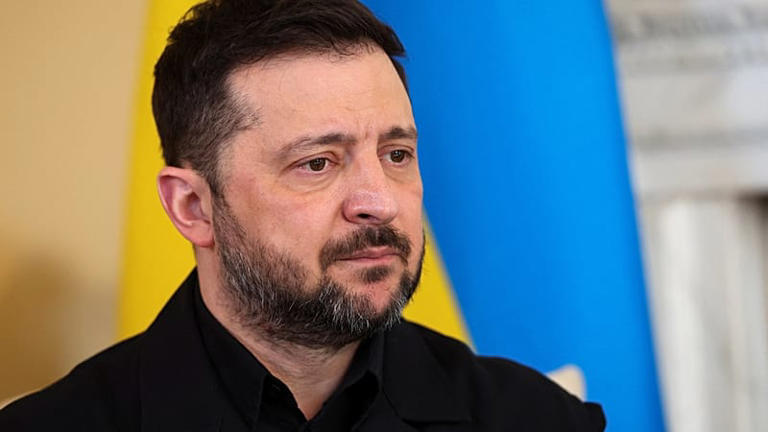
Ukraine is assessing the potential for liquefied natural gas imports from Mozambique as it seeks to stabilise energy supply following extensive damage to domestic infrastructure during the ongoing war with Russia. Discussions between President Volodymyr Zelenskiy and Mozambique’s President Daniel Chapo have signalled a willingness on both sides to explore cooperation not only in energy but also in security, digital systems and food resilience, with technical negotiations expected to continue.
The outreach reflects a broader shift in Ukraine’s energy strategy. Since the escalation of conflict in 2022, repeated attacks on energy infrastructure have significantly constrained domestic gas production. Ukrainian authorities and financial institutions have estimated that roughly half of national production capacity has been lost or disrupted, particularly in regions close to active frontlines. Publicly available data indicates that energy facilities have been subjected to sustained strikes, contributing to reduced output and an increased reliance on imports to meet demand.
Before the war, Ukraine was largely self sufficient in natural gas. However, the destruction of infrastructure has required a reconfiguration of supply routes. The country has expanded imports through European networks, including access to liquefied natural gas terminals in Poland, the Baltic region and Greece. According to reporting by BBC News, these routes have enabled indirect access to global LNG markets, including shipments originating from the United States. Additional agreements, such as those involving Atlantic SEE LNG, are expected to strengthen supply continuity over the coming decade, with projected annual volumes reaching approximately 0.7 billion cubic metres from 2030.



Within this evolving landscape, Mozambique is emerging as a potentially significant partner. The country holds some of the largest offshore gas reserves in Africa and has positioned itself as a future hub for LNG exports. A major project led by TotalEnergies, with planned capacity of around 13 million tonnes per year, is expected to resume following earlier delays linked to security challenges in Cabo Delgado province. Developments in Mozambique’s gas sector have been closely followed by regional and international stakeholders, as they reflect both the opportunities and complexities of resource development on the continent.

For southern Africa, Ukraine’s interest in Mozambican LNG underscores the growing global relevance of African energy resources. It also highlights the interconnected nature of energy systems, where disruptions in one region can reshape trade flows and investment priorities elsewhere. African producers are increasingly navigating a landscape that requires balancing domestic development needs with export ambitions, while also addressing security, governance and community impacts.
At the same time, Ukraine continues to prepare for seasonal demand pressures. Authorities have indicated a target of storing at least 13 billion cubic metres of gas ahead of the next heating season, a move aimed at mitigating supply risks during periods of peak consumption. The success of this effort will depend in part on the reliability of import channels and the pace of infrastructure repair.
The prospective engagement between Ukraine and Mozambique therefore sits at the intersection of immediate energy security concerns and longer term shifts in global gas markets. For Mozambique and the wider southern African region, it presents an opportunity to shape participation in global energy systems on terms that reflect regional priorities and lived realities, while contributing to a more diversified and resilient international supply network.