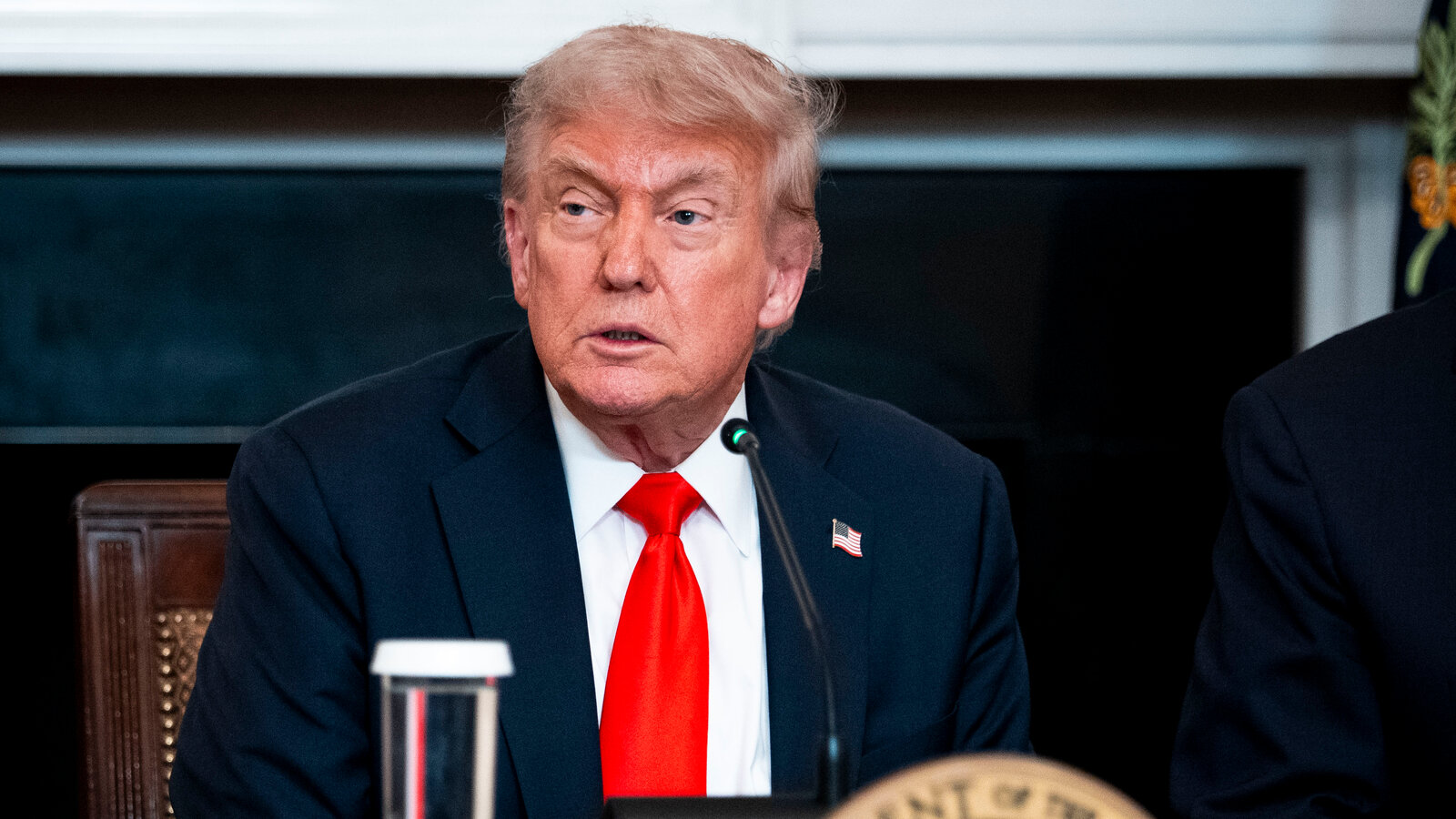
In a move that has drawn both domestic and international scrutiny, the United States government has initiated the recall of dozens of ambassadors and senior career diplomats in alignment with President Donald Trump’s renewed “America First” policy agenda.
The decision, confirmed by multiple US officials speaking to Reuters and the Associated Press, involves the recall of nearly thirty ambassadors, many of whom were appointed during the Biden administration. Those affected were reportedly informed by phone and instructed to vacate their posts by mid-January. The State Department has declined to publish a complete list of those recalled, citing internal administrative protocols.
A senior State Department official, who spoke anonymously, described the process as “standard procedure under any administration,” arguing that ambassadors act as “personal representatives of the president.” However, the scale and timing of the action—occurring just weeks before Trump’s first full year back in office—have raised concerns about its implications for diplomatic continuity and global perception of US foreign engagement.



According to the American Foreign Service Association (AFSA), which represents US career diplomats, the recalls have been “abrupt and unexplained,” with the association receiving what it termed “credible reports” of multiple career ambassadors being ordered to return to Washington without cause. AFSA spokesperson Nikki Gamer stated that such sudden moves mirror patterns of “institutional politicisation” that have already affected morale and the perceived credibility of American diplomacy abroad.
Reports indicate that Africa has been particularly affected by this reshuffle, with thirteen ambassadors recalled from Burundi, Cameroon, Cape Verde, Gabon, Ivory Coast, Madagascar, Mauritius, Niger, Nigeria, Rwanda, Senegal, Somalia and Uganda. The move has prompted quiet concern among several African analysts who note that the affected nations have longstanding and strategically important ties with the United States in areas including health security, trade and counterterrorism.
Ambassadors from Fiji, Laos, the Marshall Islands, Papua New Guinea, the Philippines, Vietnam, Armenia, Macedonia, Montenegro, Slovakia, Algeria, Egypt, Nepal, Sri Lanka, Guatemala and Suriname have also reportedly received recall orders.
Senator Jeanne Shaheen, the leading Democrat on the Senate Committee on Foreign Relations, criticised the decision on the social media platform X, stating that the administration’s actions “give away US leadership to China and Russia by removing qualified career ambassadors who serve faithfully regardless of who is in power.” She added that such removals could make the United States “less safe and less prosperous.”
While ambassadorial appointments are traditionally within the president’s prerogative, the scale and speed of the current recalls suggest a broader recalibration of US foreign policy priorities. Analysts argue that this reshuffle aligns with a more transactional diplomatic style that places emphasis on bilateral leverage rather than multilateral cooperation.
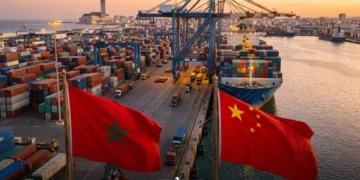
For many African observers, the recalls raise deeper questions about how Washington intends to engage with the continent at a time of shifting geopolitical influence. China and Russia continue to expand their diplomatic and economic footprints across Africa through infrastructure, defence cooperation and financial partnerships. In this context, the withdrawal of experienced US diplomats could inadvertently weaken American engagement at a moment when nuanced, people-centred diplomacy is most required.

Although the State Department maintains that the recalled diplomats will be reassigned within Washington and retain their Foreign Service status, the lack of transparency surrounding the process has underscored ongoing debates about the politicisation of US diplomacy. The decision may further strain perceptions of American consistency abroad, particularly in regions such as Africa that have historically viewed diplomatic relationships through a lens of partnership rather than patronage.
As global attention turns to the evolving structure of US foreign engagement under the Trump administration, African policymakers and commentators continue to stress the importance of relationships built on respect, mutual understanding and the recognition of Africa’s agency in shaping its own foreign relations.