Tharisa Plc, a prominent integrated resource group with a primary focus on platinum group metals (PGMs) and chrome, has reported challenging production metrics for the first quarter of its fiscal year 2025. The company cited operational inefficiencies and difficult market conditions as the primary factors affecting its performance, as revealed in its latest trading update.
Production figures for the three months ended 31 December 2024 demonstrated a decline across key outputs. Tharisa’s PGM output stood at 36,000 ounces, marking a decrease from the 42,700 ounces produced during the comparable quarter in the prior year. Chrome concentrate production similarly fell to 330,000 tonnes, compared to 390,000 tonnes recorded in the corresponding period of fiscal year 2024. These downturns have been attributed to operational disruptions and unseasonal rainfall, which adversely affected mining efficiencies and the processing of ore.
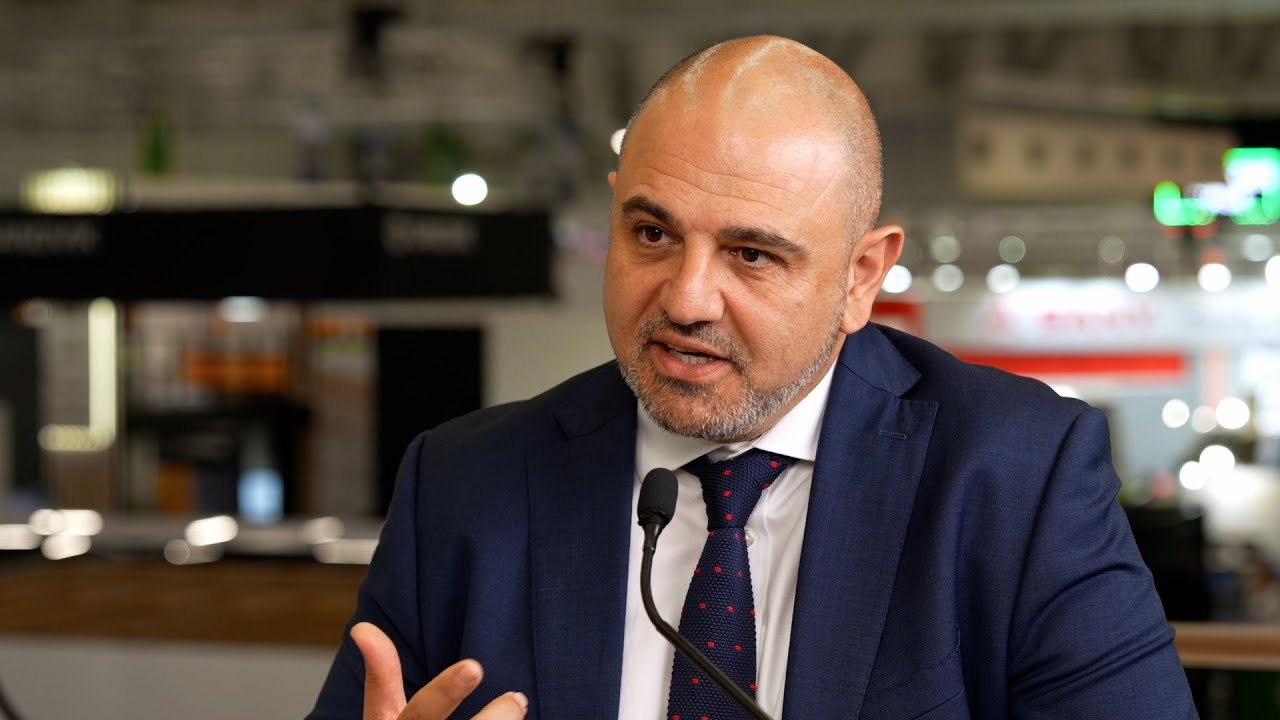
The adverse weather conditions particularly impacted the company’s flagship Tharisa mine in South Africa’s Bushveld Complex, where significant rainfall disrupted the continuity of mining activities. The company’s Chief Executive Officer, Phoevos Pouroulis, acknowledged the challenges, stating: “The first quarter presented significant headwinds, including unseasonal weather conditions that constrained our ability to deliver optimal production volumes. However, we remain committed to mitigating these impacts through operational resilience and strategic planning.”



In addition to weather-related challenges, global economic conditions played a role in compounding the difficulties faced by the company. Persistent macroeconomic pressures, including fluctuating commodity prices and subdued demand in key markets, particularly in Asia, have dampened revenue projections. Despite these setbacks, Tharisa reaffirmed its full-year production guidance, signalling confidence in its ability to recover in subsequent quarters. The company’s guidance for PGMs remains at 175,000 to 185,000 ounces, while chrome production is projected to range between 1.75 million and 1.85 million tonnes.
Tharisa’s operational difficulties coincided with a broader trend of volatility in the mining sector, driven by economic uncertainties and shifting supply chain dynamics. Analysts have noted that the global mining industry is navigating a complex landscape, where geopolitical tensions, regulatory changes, and environmental considerations increasingly influence operations. For Tharisa, these external pressures have necessitated a recalibration of its strategies, focusing on operational efficiency and market diversification.
Despite the setbacks, Tharisa highlighted ongoing efforts to bolster production capacity and optimise resource utilisation. The company has invested in technological enhancements aimed at improving ore recovery rates and reducing operational downtime. Furthermore, strategic initiatives such as expanding the group’s geographical footprint and exploring new resource opportunities have been prioritised to mitigate risks associated with over-reliance on a single region or commodity.

Tharisa’s management has also emphasised its commitment to sustainability as a core pillar of its operational strategy. Recent investments in renewable energy projects and initiatives aimed at reducing carbon emissions underscore the company’s alignment with global environmental standards. By integrating sustainability into its operational framework, Tharisa aims to enhance long-term value for its stakeholders while contributing to the global transition towards cleaner energy sources.
Financial performance for the quarter reflected the operational challenges, with the company cautioning stakeholders about potential impacts on margins. The decline in production volumes coupled with persistent cost pressures is likely to weigh on profitability. Nevertheless, Tharisa’s management remains optimistic about navigating these headwinds, pointing to the resilience of its diversified asset portfolio and its commitment to disciplined cost management.
Market analysts have offered a mixed outlook on Tharisa’s prospects for the remainder of the fiscal year. While acknowledging the operational and macroeconomic challenges, many highlight the company’s strong track record of delivering on guidance and its proactive approach to risk management as key strengths. However, the broader industry context—marked by unpredictable commodity price movements and evolving market dynamics—is expected to remain a critical factor influencing performance.
Looking ahead, Tharisa has reiterated its focus on executing its long-term strategy, which includes enhancing operational efficiencies, driving innovation, and maintaining a strong commitment to sustainability. The company’s leadership has expressed confidence in its ability to navigate the challenges and leverage its competitive advantages to deliver value for shareholders.
Phoevos Pouroulis concluded the trading update with an optimistic outlook: “While the first quarter presented undeniable challenges, our strategic initiatives and operational resilience provide a strong foundation for recovery. We remain focused on achieving our production targets and delivering sustainable growth in the long term.”

Tharisa’s performance in the first quarter of fiscal year 2025 underscores the inherent complexities of operating in the mining sector, particularly against a backdrop of global economic uncertainty and environmental challenges. As the company continues to adapt to these conditions, its strategic priorities and focus on sustainability will play a crucial role in shaping its trajectory for the rest of the fiscal year and beyond.