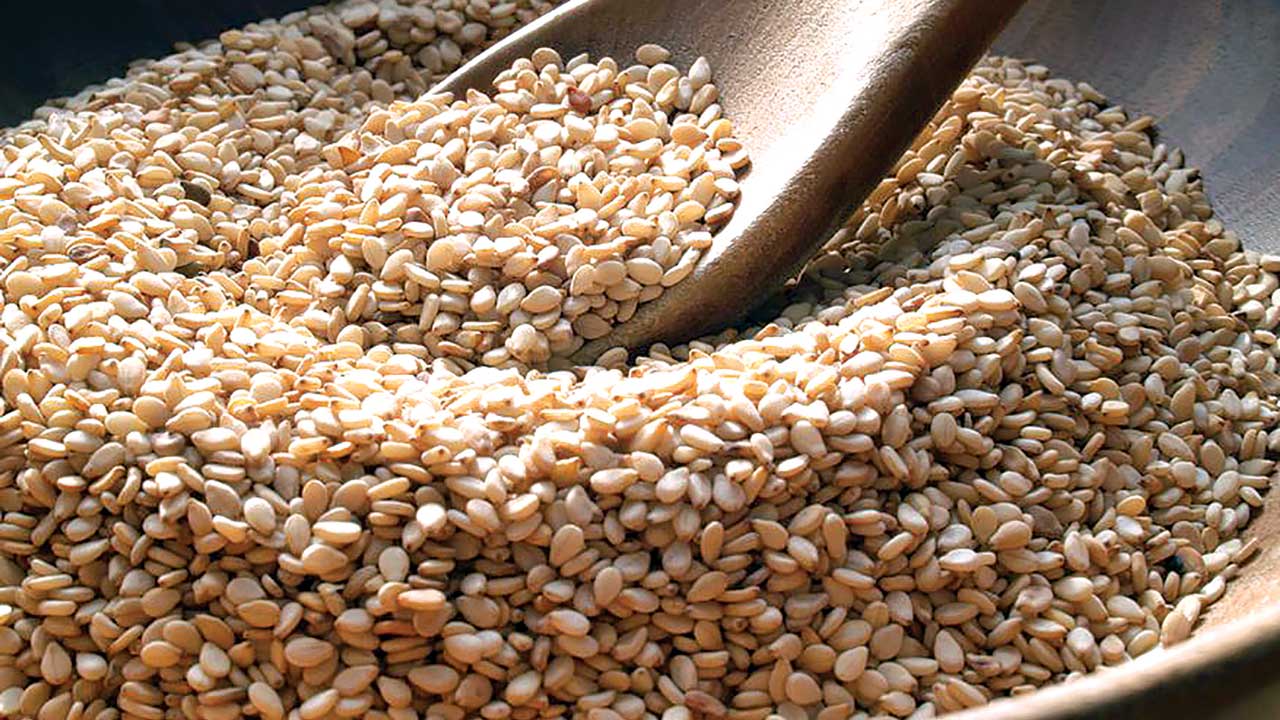
Tanzania has successfully traded over 200,000 tonnes of sesame through the Tanzania Mercantile Exchange (TMX), a state-endorsed digital commodity auction platform, according to Mahama Kadikilo, TMX’s Business Operations Officer. The announcement, made on Tuesday in Dar es Salaam, underscores the growing role of technology in enhancing transparency and efficiency within the country’s agricultural value chain.
The TMX platform was developed to streamline commodity transactions and rectify longstanding challenges linked to traditional market structures. Historically, smallholder farmers have been disadvantaged by opaque pricing mechanisms and exploitative middlemen. Kadikilo noted that TMX seeks to “professionalise the auction process while ensuring equitable price discovery through competitive bidding.”
Among the regions participating in the exchange, Lindi Region emerged as the most active, contributing approximately 74,000 tonnes to the overall sesame volume traded thus far. The platform enables licensed buyers to participate in auctions via an online portal, facilitating fairer access to market information and mitigating regional trading disparities.



Kadikilo also emphasised the platform’s impact on increasing producer confidence in regulated markets. “More farmers are beginning to understand the value of engaging with a managed digital auction system. This is fostering trust and improving returns at the farm gate,” he explained.
Since its inception, TMX has been instrumental in the government’s broader agenda to modernise Tanzania’s agricultural sector and align it with regional and global commodity standards. While sesame is among the leading export crops, the platform also supports trading of other key commodities such as coffee, cashew nuts, and pigeon peas.

The growth in sesame trade volumes via TMX indicates a shifting paradigm in agricultural marketing within Tanzania, driven by the adoption of digital infrastructure and regulatory oversight. The system not only facilitates price transparency but also introduces standardised quality controls, logistics coordination, and transaction integrity—elements previously lacking in informal trading arrangements.
As the country seeks to bolster its position in the global sesame export market, these developments are viewed as a positive step towards empowering producers, attracting investment, and enhancing the credibility of Tanzanian agricultural commodities on the international stage.