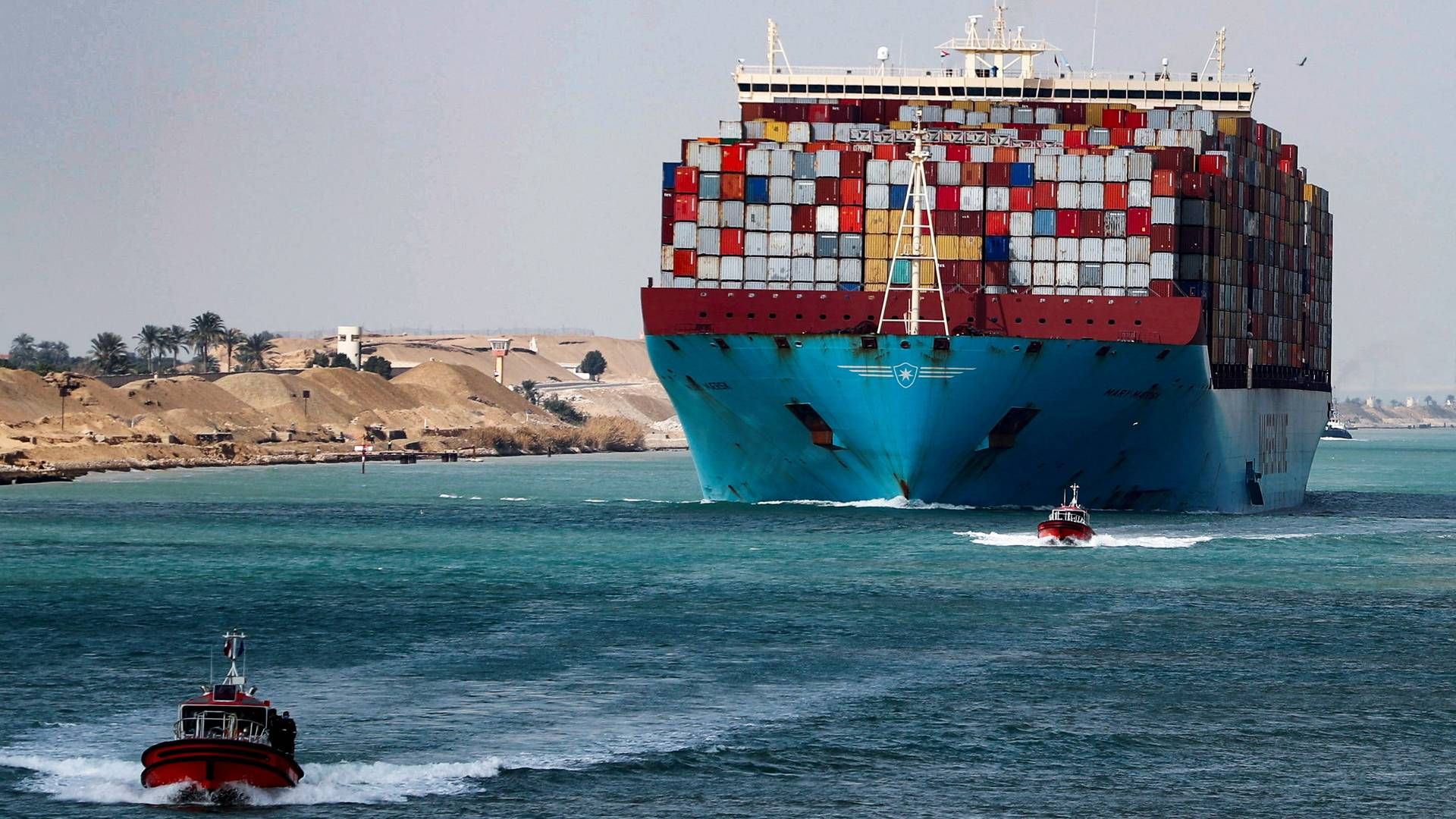
The Central Bank of Egypt (CBE) has reported a stark 57.2 percent drop in Suez Canal transit receipts for the first quarter of 2024, with earnings totalling 959.3 million U.S. dollars. This downturn reflects broader challenges faced by one of the world’s busiest maritime arteries, which saw a 7.4 percent decrease in revenues from July 2023 to March 2024, settling at 5.8 billion dollars compared to 6.2 billion dollars in the previous year.
Accompanying this financial decline is a notable decrease in net tonnage, which fell by 15.6 percent to 944.9 million tons, alongside an 11.5 percent reduction in the number of transiting vessels over the same period, according to the CBE’s statement released on Monday.
The primary catalyst behind this downturn has been identified as disruptions in Red Sea maritime traffic, precipitated by repeated attacks on ships with ties to Israel by Yemen’s Houthi group. Since October last year, these incidents have instigated a series of retaliatory airstrikes launched by the United States and Britain on Houthi military targets across Yemen.



The Suez Canal, a critical conduit accounting for 12 percent of global trade, stands as a linchpin of Egypt’s foreign currency inflows. However, these recent challenges underscore the vulnerability of this vital economic lifeline to geopolitical tensions in the region.

Egypt’s fiscal year, which runs from July 1st to June 30th, provides a framework for assessing these financial impacts, which have reverberated through global shipping routes and economic planning alike. As Egypt navigates these turbulent waters, stakeholders worldwide are closely monitoring developments that could further impact international trade dynamics.
While the Suez Canal remains indispensable to global commerce, recent disruptions underscore the imperative of addressing regional security challenges to safeguard its pivotal role in the global economy.