Sudan’s paramilitary Rapid Support Forces (RSF) have expressed formal consent to a United States-backed proposal for a humanitarian truce. The framework, also endorsed by the United Arab Emirates, Saudi Arabia, and Egypt, seeks to respond to the deepening humanitarian crisis triggered by the prolonged conflict between the RSF and the Sudanese Armed Forces (SAF).
According to RSF spokesperson Al-Fateh Qurashi, the group is prepared to implement the truce and engage in immediate dialogue on mechanisms that may lead to a broader cessation of hostilities. “We look forward to implementing the agreement and immediately beginning discussions on arrangements for a cessation of hostilities,” Qurashi stated, underscoring the need to prioritise civilian protection and unfettered humanitarian access.
The Sudanese army, however, remains publicly committed to continuing military operations. Following a recent Security and Defence Council meeting, the SAF reiterated its intent to sustain the conflict, pending further political guarantees. This comes despite the outline of a truce framework that includes an initial three-month humanitarian pause, followed by a nine-month political transition process aimed at securing a durable and comprehensive settlement.



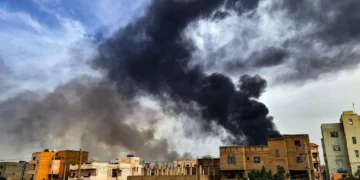
Since armed confrontation erupted in April 2023, the violence has inflicted severe human costs. Independent estimates by humanitarian organisations and regional observers report that thousands have perished, while over 6 million people have been forcibly displaced. The conflict has not only destabilised major urban centres such as Khartoum and Nyala, but also intensified regional humanitarian vulnerabilities, drawing in neighbouring countries already managing their own internal pressures.

This latest ceasefire initiative reflects broader regional anxieties about Sudan’s collapse into protracted state failure, a scenario that could destabilise the Horn of Africa and parts of the Sahel. With the African Union and IGAD’s mediation efforts stalled, external powers have increasingly taken a more prominent role in conflict management, raising important questions about ownership of peace processes and the role of African institutions in regional stability.
It is noteworthy that the RSF’s acceptance of the truce does not yet represent a breakthrough in the broader political impasse. Sudan’s civil society networks, women’s associations, and youth coalitions have consistently called for a political process that prioritises local agency, restorative justice, and the demilitarisation of governance. These groups remain largely excluded from high-level negotiations, despite their central role in past popular movements.
Historically, ceasefires in Sudan have often faltered due to weak enforcement mechanisms and divergent strategic goals among warring parties. Thus, the efficacy of this truce hinges not only on diplomatic alignment among external actors but also on establishing credible monitoring mechanisms that centre Sudanese voices and prevent humanitarian aid from becoming a tool of wartime leverage.
This moment presents an opportunity for African-led frameworks to reclaim space in peacemaking and peacebuilding in Sudan. The situation calls for layered, plural approaches that transcend elite negotiations and engage Sudan’s diverse political, ethnic, and regional constituencies. A human-centred resolution will need to foreground the experiences of those most affected—especially displaced communities, victims of conflict-related sexual violence, and civil society actors advocating for accountability.

The humanitarian truce, if enacted meaningfully, may allow access to conflict-ridden areas where aid has been obstructed for months. According to the UN Office for the Coordination of Humanitarian Affairs (OCHA), the country is witnessing one of the world’s most severe humanitarian crises, with over 25 million people in need of assistance—more than half the population. The World Food Programme and Médecins Sans Frontières have repeatedly warned of worsening famine conditions and public health breakdowns, particularly in regions cut off by the fighting.
While the political roadmap remains fragile and far from assured, this development may open limited humanitarian corridors that could serve as a foundation for a more inclusive dialogue. As African and international actors continue to deliberate the future of Sudan, the emphasis must remain on centring the dignity, safety, and aspirations of Sudanese civilians above all else.