Zimbabwe has become Africa’s hottest investment ticket, with agriculture, mining, energy, infrastructure, and tourism all seeing a surge in capital inflows. Yet, amid this economic momentum, one sector remains a glaring paradox—railways. Lucrative, underutilised, and crying out for investment, Zimbabwe’s railway industry is the ultimate sleeping giant in the transport sector.
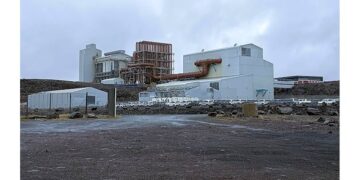
The recent completion of the US$1.5 billion Manhize iron and steel plant, one of Africa’s largest steel production facilities, underscores the urgency of modernising Zimbabwe’s railway network. Funded by Chinese investors, the plant is set to become a key driver of industrial growth, generating an insatiable demand for efficient transport corridors to seaports. While an existing railway line runs from Masvingo to Gweru via Mvuma, the missing 60-kilometre link between Manhize and Mvuma is a glaring gap—one that represents a prime opportunity for the right investor.
Beyond Manhize, Zimbabwe’s rail ambitions extend to game-changing projects such as the Harare-Chitungwiza passenger line, the 1,700-kilometre Ponta Techobanine Railway linking Zimbabwe, Mozambique, and Botswana, and a Mkwasine-Mutare corridor poised to revolutionise agricultural and steel logistics. Add to that an airport tram to Mount Hampden, the country’s future capital, and Zimbabwe’s railway blueprint starts looking like a billion-dollar bonanza for investors with vision.




The case for investment is clear—rehabilitating existing infrastructure, constructing new rail lines, and supplying state-of-the-art rolling stock all promise lucrative returns. The country’s rapid industrial expansion demands a transport backbone capable of sustaining its ambitions. With the right capital injection, Zimbabwe’s railway sector could go from lagging behind to leading Africa’s transport revolution.