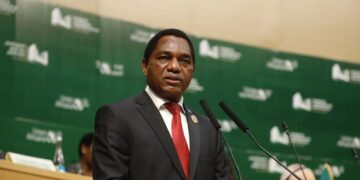
The G20 Finance Track meetings, currently underway in Cape Town, have entered a critical phase as global financial leaders convene to address the economic challenges faced by developing nations, particularly in Africa. With South Africa leading the discussions as the first African nation to hold the G20 presidency, the focus remains on fostering inclusive economic growth and structural reform.
The Finance and Central Bank Deputies Meeting, held on 24–25 February at the Cape Town International Convention Centre, has now paved the way for the G20 Finance Ministers and Central Bank Governors Meeting, which begins today and will continue until 27 February. These high-level engagements are expected to shape key policy recommendations ahead of the upcoming G20 Summit.
Duncan Pieterse, Director-General of South Africa’s National Treasury, emphasised the significance of these discussions, particularly in addressing the operational framework of the G20. He underscored that despite nearly three decades of existence, the G20’s operational processes have seldom been reviewed. South Africa is taking the lead in assessing these mechanisms in collaboration with other member states to ensure greater efficiency and inclusivity.




Assuming the G20 presidency on 1 December 2024, South Africa has set the theme Solidarity, Equality, and Sustainability, reflecting its commitment to equitable global economic policies. A key agenda item is financing for development, particularly for the world’s most vulnerable economies, which require sustainable investment to drive long-term growth and resilience.
As discussions progress today, additional global economic issues will be addressed, with particular attention to structural and financial constraints affecting developing nations. The outcomes of these meetings are expected to inform policy strategies that promote more inclusive and sustainable economic cooperation on a global scale.