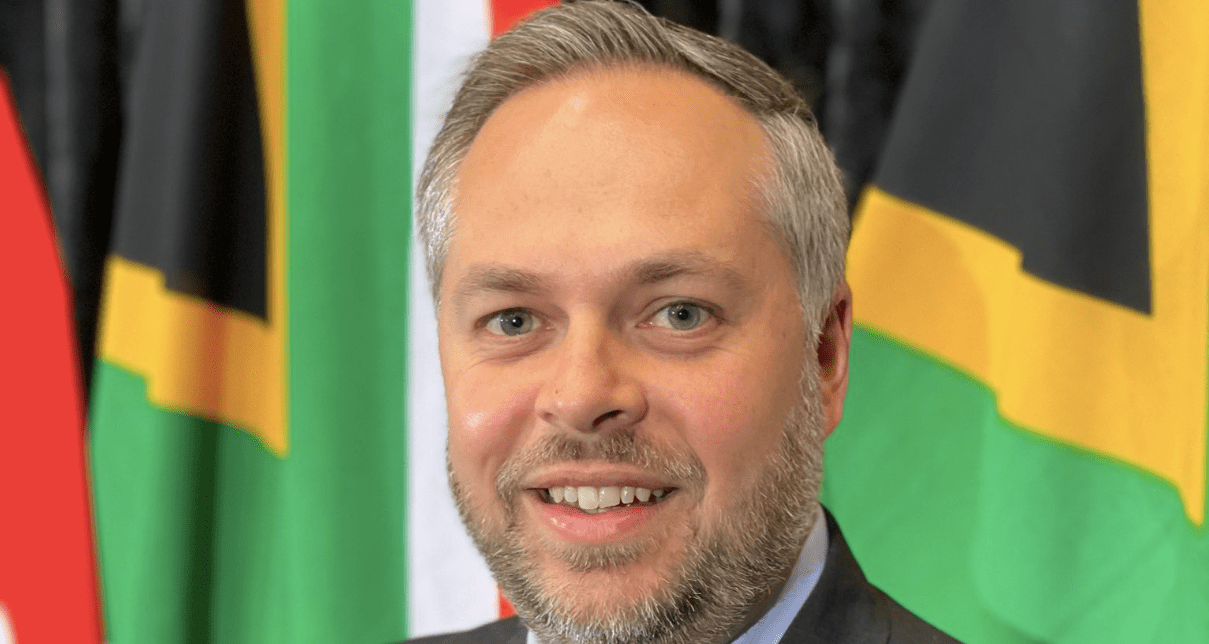
South Africa is poised to introduce a points-based system for work visas, as well as new permits for individuals wishing to live in the country while working remotely for foreign organisations, within the next 30 days. This move marks a significant overhaul in the country’s immigration framework, with Home Affairs Minister Leon Schreiber outlining the new approach in a speech this week.
Schreiber, who also secured a cabinet post following South Africa’s recent coalition government formation, detailed that the new visa system had been finalised in conjunction with the South African Revenue Service. He confirmed that both the points-based work visa regulations and the remote working visa class were delivered to his department on Tuesday.
“The new remote-working visa is among the most competitive globally,” Schreiber declared. “South Africa bears none of the employment costs associated with nomad workers, but stands to benefit from the influx of foreign currency.” He added that remote workers, employed and paid in other countries, will only need to register with the tax agency if they reside in South Africa for over six months per year.
These changes are expected to make South Africa a more attractive destination for skilled workers and digital nomads, offering them an alternative to the country’s previously arduous visa processes. “Gone will be the days when highly skilled individuals had no avenue to contribute to South Africa if their expertise wasn’t listed under the arbitrary critical-skills list,” said Schreiber.
Economic Implications
The introduction of a points-based system is part of a broader strategy to revitalise South Africa’s sluggish economy, which has averaged less than 1% growth annually over the past decade. Home Affairs has faced criticism for its slow visa-application processes, with backlogs stretching over a year. Under Schreiber’s leadership, the backlog has been halved, but litigation from frustrated applicants continues to clog the department.
South Africa’s high unemployment rate of 33.5%, one of the highest globally, has spurred a reevaluation of visa policies. The new regime is seen as an attempt to attract skilled foreign labour to fill crucial gaps in the economy. Schreiber highlighted that attracting just 11,000 more tertiary-educated workers annually could boost South Africa’s economic growth by 1.2% and increase annual tax revenue by 1.3%, citing data from the Food Poverty Research Institute.
The business community and the South African presidency have long criticised the existing immigration framework as an obstacle to growth, and the new system aims to address these concerns by creating a clearer, more accessible pathway for skilled migrants.
Political Context
Schreiber’s Democratic Alliance party, which finished second in the May elections, secured six cabinet positions in the coalition government led by President Cyril Ramaphosa. Schreiber’s appointment comes at a crucial time for South Africa, as the government seeks to strike a balance between addressing unemployment and fostering economic growth through foreign talent.
The revamped visa system is expected to ease bureaucratic burdens and pave the way for a more dynamic workforce, as South Africa positions itself as a hub for international professionals looking to relocate while maintaining their jobs abroad.
The points-based visa system, combined with the remote work permits, reflects a marked shift in South Africa’s immigration strategy, aligning it with global trends in talent mobility and remote working. While questions remain about its long-term impact, the move signals an important step towards modernising the country’s immigration framework, potentially driving both economic and social benefits in the years to come.