The South African government has formally initiated a phased withdrawal of its peacekeeping forces and military equipment from the eastern Democratic Republic of the Congo (DRC), signalling a strategic recalibration of its regional security commitments. The announcement was made on Sunday by Minister of Defence and Military Veterans, Angie Motshekga, during a press briefing held in Pretoria.
The withdrawal pertains specifically to the contingent of the South African National Defence Force (SANDF) deployed under the auspices of the Southern African Development Community (SADC) Mission in the DRC, which commenced operations in December 2023. This multinational mission includes military contributions from Malawi and Tanzania, and was established to counter escalating insurgent activities in the eastern provinces of the DRC, particularly in North Kivu.
According to Minister Motshekga, the decision to repatriate troops was taken following “extensive regional diplomatic engagements, high-level consultations with several role players, and the progress in peace efforts within the eastern DRC”. The phased nature of the withdrawal underscores a broader regional consensus that local security structures in the DRC are gaining sufficient capacity to address internal instability with decreasing reliance on foreign military intervention.



The redeployment began with the transportation of personnel and equipment to Tanzania, though the minister refrained from specifying the exact timeline for the return of forces to South African soil. The route of withdrawal passes through Rwanda, as confirmed by SANDF Chief General Rudzani Maphwanya, with logistical arrangements made to move troops and equipment from the strategic towns of Goma and Sake.
“This withdrawal route reflects existing regional transport and security protocols, and the operation is expected to conclude by the end of May,” said General Maphwanya, who further emphasised that returning troops would undergo a comprehensive medical and psychological assessment prior to reintegration into civilian or domestic military environments. The operation adheres strictly to military and humanitarian best practices in post-deployment management.
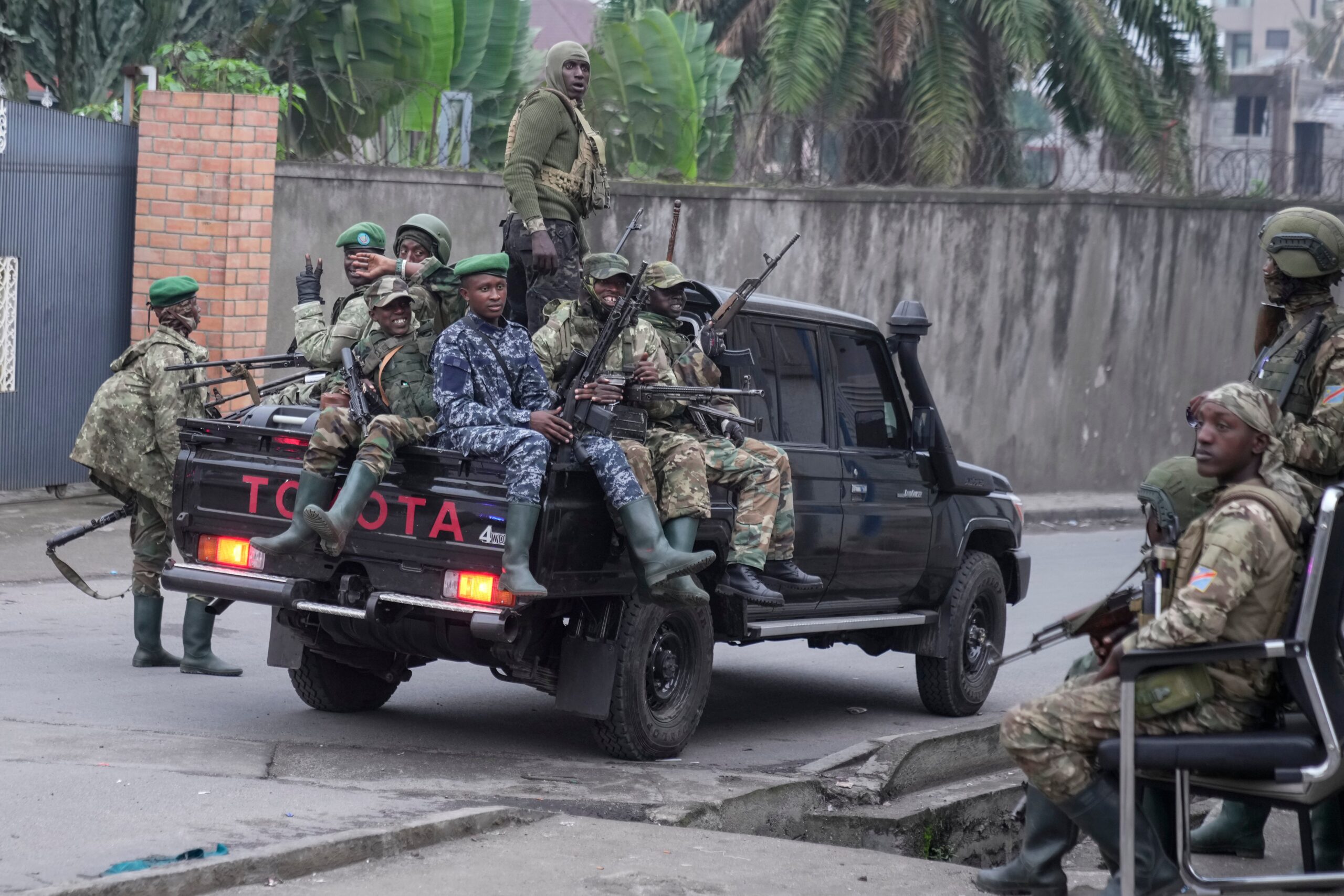
The backdrop to this redeployment includes recent escalations in the conflict between the DRC government and the March 23 Movement (M23) rebel group, a militia accused by international observers of receiving external support and accused of human rights violations in eastern Congo. The killing of 14 South African soldiers in January 2025 marked one of the most severe losses for SANDF since the inception of the mission, prompting public scrutiny and renewed diplomatic pressure for a reevaluation of the mission’s risk profile.
Peace negotiations between Kinshasa and the M23 group are currently ongoing, facilitated by regional mediators and observed by international stakeholders. These talks are considered pivotal for the cessation of hostilities in North Kivu, a region that has endured protracted conflict involving dozens of armed groups, including the Allied Democratic Forces (ADF), over the past two decades.
In her briefing, Minister Motshekga acknowledged the sacrifices made by SANDF personnel and reaffirmed the South African government’s continued commitment to supporting regional peace through non-military instruments such as diplomacy, economic cooperation, and institutional development.

The SADC Mission in the DRC is part of a broader regional and continental framework aimed at stabilising the Great Lakes region, complementing efforts by the United Nations Organisation Stabilisation Mission in the DRC (MONUSCO) and the African Union. Although the full withdrawal of all SADC troops has not yet been finalised, the coordinated movement of South African forces represents a significant shift in operational posture.
Repatriated SANDF soldiers injured during their deployment are reportedly receiving ongoing medical treatment in South Africa. The Ministry has reiterated that all returning personnel will receive full institutional support, including counselling and reintegration assistance.
The withdrawal marks a notable moment in South Africa’s post-apartheid foreign policy, reinforcing a commitment to multilateralism while also recognising the limits of extended foreign military deployments in volatile zones.