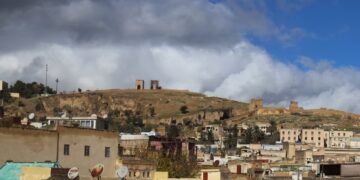
The situation in Sudan’s North Darfur region continues to deteriorate rapidly, with the United Nations describing conditions as “catastrophic” in the aftermath of the fall of El Fasher, the state’s capital. The United Nations Office for the Coordination of Humanitarian Affairs (OCHA) has confirmed ongoing attacks on civilians and significant constraints on humanitarian access, exacerbating an already dire crisis.
In the past week, tens of thousands of civilians have fled El Fasher and its environs, seeking refuge in Tawila—approximately 40 kilometres west of the city. Humanitarian operations in Tawila, facilitated by the UN in collaboration with local and regional partners, have focused on registering new arrivals and providing emergency support. However, significant resource gaps persist, particularly in shelter materials, medical and trauma care supplies, food provisions, and psychosocial services. This OCHA situation report underscores the scale of unmet needs across the region.
The International Organization for Migration (IOM) estimates that between 26 and 29 October alone, over 62,000 individuals were displaced from El Fasher and surrounding districts. However, ongoing violence and insecurity along transport routes have severely limited the safe movement of affected populations, raising additional concerns for those attempting to flee conflict-affected zones.



Compounding the crisis in Darfur is the deteriorating situation in neighbouring North Kordofan. OCHA, referencing IOM data, reports that approximately 36,000 people have been displaced from Bara town, located north of the state capital, El Obeid, over the past week. Alarming reports from local community networks indicate that many of these displaced individuals are facing threats of abduction and extortion while in transit, a trend that speaks to broader challenges in securing humanitarian corridors and ensuring civilian safety in transit zones.

Despite escalating humanitarian needs, financial support for relief operations remains drastically insufficient. OCHA has reiterated its call for flexible and sustained donor funding, noting that less than one-third of the USD 4.2 billion Humanitarian Response Plan for Sudan has been financed to date. Without a significant scale-up in international support, the ability to respond effectively to the growing crisis remains seriously constrained. The plan itself is detailed in OCHA’s global humanitarian overview.
In reframing the crisis unfolding across Sudan, it is vital to approach the narrative with an understanding of the deeper structural, political, and historical contexts that have contributed to the current instability. Rather than viewing this solely as a humanitarian emergency detached from its roots, a nuanced lens highlights the convergence of conflict legacies, uneven development, and political transitions that continue to shape the lived experiences of Sudanese civilians.
Furthermore, regional dynamics play a critical role. The protracted nature of armed violence and displacement in Sudan has implications far beyond its borders, affecting cross-border mobility, regional food security, and socio-political cohesion across Eastern and Central Africa. With Sudan historically acting as both a refugee-hosting and origin country, instability in North Darfur and North Kordofan must be seen as part of a broader continental concern that necessitates coordinated regional and Pan-African responses.
Equally important is resisting narratives that reduce African conflicts to passive humanitarian disasters. Civil society actors, local responders, and Sudanese humanitarian workers continue to operate under immense risk, yet remain essential in supporting displaced communities. These realities reflect both the resilience of affected populations and the importance of African agency in navigating crises.
As the situation evolves, international attention must remain grounded not only in emergency response but also in long-term commitments to peace-building, equitable resource allocation, and support for locally-driven recovery efforts. This includes sustained engagement with African institutions, such as the African Union, whose role in conflict resolution and regional diplomacy remains critical to Sudan’s future.