

The United Nations Refugee Agency (UNHCR) has raised grave concerns over the safety of asylum seekers set to be transferred to Rwanda under a controversial UK government plan. In a testimony presented before the London High Court, the agency warned that those sent to Rwanda could face deportation to countries where they could be at risk of torture or death. In turn, the Rwandan government has vigorously denied these allegations, accusing the UNHCR of misleading the UK courts.
The dispute stems from Rwanda’s designation as a ‘safe country’ for asylum seekers, a status confirmed by the UK Parliament through legislation aimed at curbing irregular migration across the English Channel. Under the UK’s asylum agreement with Rwanda, migrants arriving in the UK from northern France are to be deported to Rwanda, a policy designed to deter dangerous Channel crossings.
However, the UNHCR has cast doubt on Rwanda’s ability to protect asylum seekers, citing ongoing concerns about refoulement—the illegal return of refugees to countries where they may face persecution. During the court proceedings, UNHCR lawyer Laura Dubinsky presented evidence of such practices, stating that Rwanda’s asylum system is not robust enough to ensure the safety of individuals who may be at risk in their home countries. Refoulement, which violates international law, has been a persistent concern for the UNHCR, which has indicated that it may present further evidence in 2024 highlighting Rwanda’s failure to uphold its international obligations.




Rwanda has rejected these claims, asserting that the individuals referenced by the UNHCR were either legally permitted to remain in other countries but did not meet Rwanda’s specific entry criteria, or were migrants who voluntarily chose to leave Rwanda for other destinations. The Rwandan government’s counter-narrative focuses on its ongoing partnership with the UNHCR, particularly in facilitating the safe relocation of African migrants from Libya to Rwanda, a project lauded by international bodies.
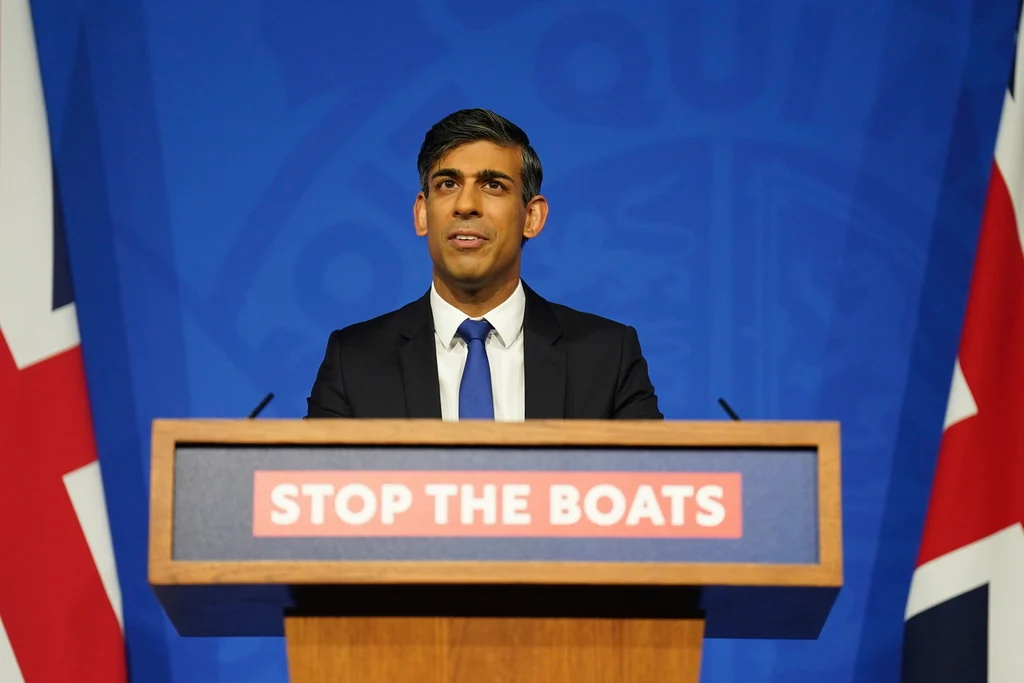
The UK government, under Prime Minister Rishi Sunak, maintains that the deportation scheme is necessary to deter irregular migration and prevent dangerous crossings of the English Channel. Sunak has indicated that the plan will proceed if the Conservative Party retains power in the upcoming general election, set for July 4th, 2024. However, the legal and diplomatic tensions surrounding the arrangement could complicate the UK-Rwanda partnership. The UNHCR’s warnings raise important human rights considerations, particularly for vulnerable populations who may be subjected to grave risks in transit or upon arrival in Rwanda.
Despite the UK’s legal framework, Rwanda’s firm rebuttal of the UNHCR’s assertions calls into question the validity of these concerns. Rwanda argues that it is being unjustly targeted, highlighting its contributions to regional refugee protection. However, critics maintain that the UNHCR’s warnings should not be dismissed, as they reflect serious apprehensions about Rwanda’s capacity to safeguard those seeking asylum within its borders.

While the UK government’s deportation plan has sparked considerable debate, it is essential to carefully examine the potential consequences for asylum seekers. If Rwanda’s asylum processes are inadequate, as suggested by the UNHCR, the safety of those sent there could be jeopardised. Therefore, ensuring the protection of vulnerable populations should remain a priority for all parties involved.
As the political landscape in the UK continues to evolve, the future of the Rwanda deportation plan remains uncertain, dependent on the outcome of the next election. Should Sunak’s Conservative Party lose, the UK-Rwanda deal could be subject to reassessment, possibly leading to a more comprehensive review of the country’s asylum and migration policies.


