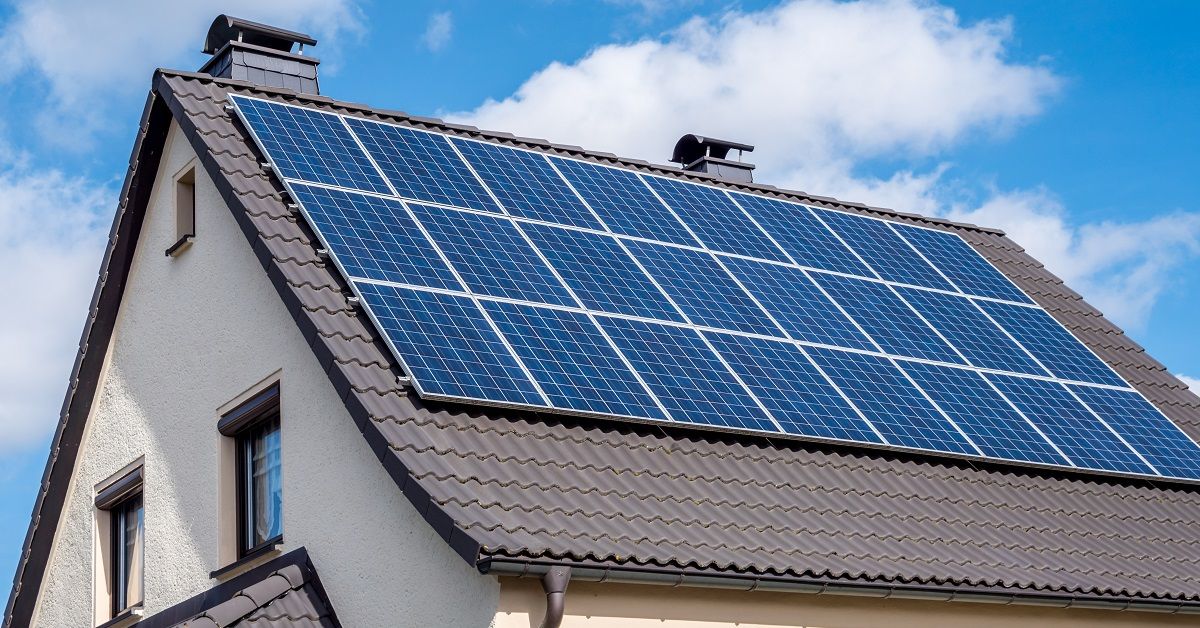
South Africa’s residential solar energy sector has experienced a marked decline in uptake, reflecting a shift in consumer behaviour following the recent stabilisation of the national electricity supply. After enduring two years of record power outages, the country witnessed a turning point in March 2024 when state-owned utility Eskom Holdings SOC Ltd. succeeded in improving grid reliability. This development has substantially reduced the perceived urgency among homeowners to invest in rooftop photovoltaic systems.
Zaheer Khan, Southern Africa Director at Trina Solar, one of China’s leading solar technology manufacturers, noted in a recent interview in Cape Town that the residential segment has been particularly affected. “The residential sector in particular has diminished,” Khan stated, attributing this trend to reduced power cuts and diminished consumer pressure for decentralised energy solutions. Despite this, commercial and industrial demand for solar solutions remains robust, underpinned by a dual imperative: reducing carbon emissions and offsetting rising electricity tariffs from Eskom.
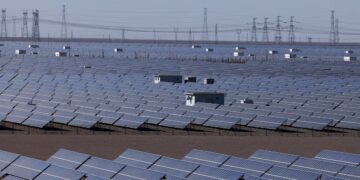
Over the past 12 months, Trina Solar has imported more than one gigawatt of solar equipment into South Africa, primarily to serve the large-scale project market. The company continues to engage with major developers such as EDF Renewables and is currently shortlisted for multiple projects ranging between 500 megawatts and one gigawatt.



According to South Africa’s Integrated Resource Plan and broader national energy strategies, the country aims to install close to four gigawatts of new solar capacity by 2030. This ambition is largely driven by the impending decommissioning of ageing coal-fired power stations, which presently account for the majority of the nation’s electricity generation.
Despite the dip in residential installations, the long-term trajectory for solar energy in South Africa remains positive. The industrial and utility-scale segments continue to offer stable growth opportunities, and the transition away from coal is likely to re-incentivise distributed generation, including residential solar, in the coming years.

Khan emphasised that for many firms, the economics of solar energy remain compelling. “How would you not want to have a cheaper plant if you’re also getting a better carbon profile?” he remarked, highlighting the convergence of financial and environmental incentives that continue to drive solar adoption at scale.
As South Africa navigates its energy transition, the residential solar segment may yet see resurgence—particularly if grid pressures return or incentives are revised. In the meantime, large-scale and commercial projects are poised to remain the central pillars of the country’s photovoltaic deployment strategy.