Sunday, June 28, 2026
  • Login
The Southern African Times
  • Home
  • Southern Africa
  • Business
    • African Start ups
    • African Continental Free Trade Area
  • Technology
    • Lifestyle
      • Health
      • Culture
      • Food and Drink
      • Entertainment
  • Opinion
  • Sports
  • SAT Jobs
    • Events
  • About Us
    • Advertise with Us
    • Contact Us
No Result
View All Result
  • Home
  • Southern Africa
  • Business
    • African Start ups
    • African Continental Free Trade Area
  • Technology
    • Lifestyle
      • Health
      • Culture
      • Food and Drink
      • Entertainment
  • Opinion
  • Sports
  • SAT Jobs
    • Events
  • About Us
    • Advertise with Us
    • Contact Us
No Result
View All Result
The Southern African Times
No Result
View All Result
Home Food and Drink

Preserving Potatoes for Extended Freshness: A Guide

by SAT Reporter
January 14, 2025
in Food and Drink
0
Preserving Potatoes for Extended Freshness: A Guide

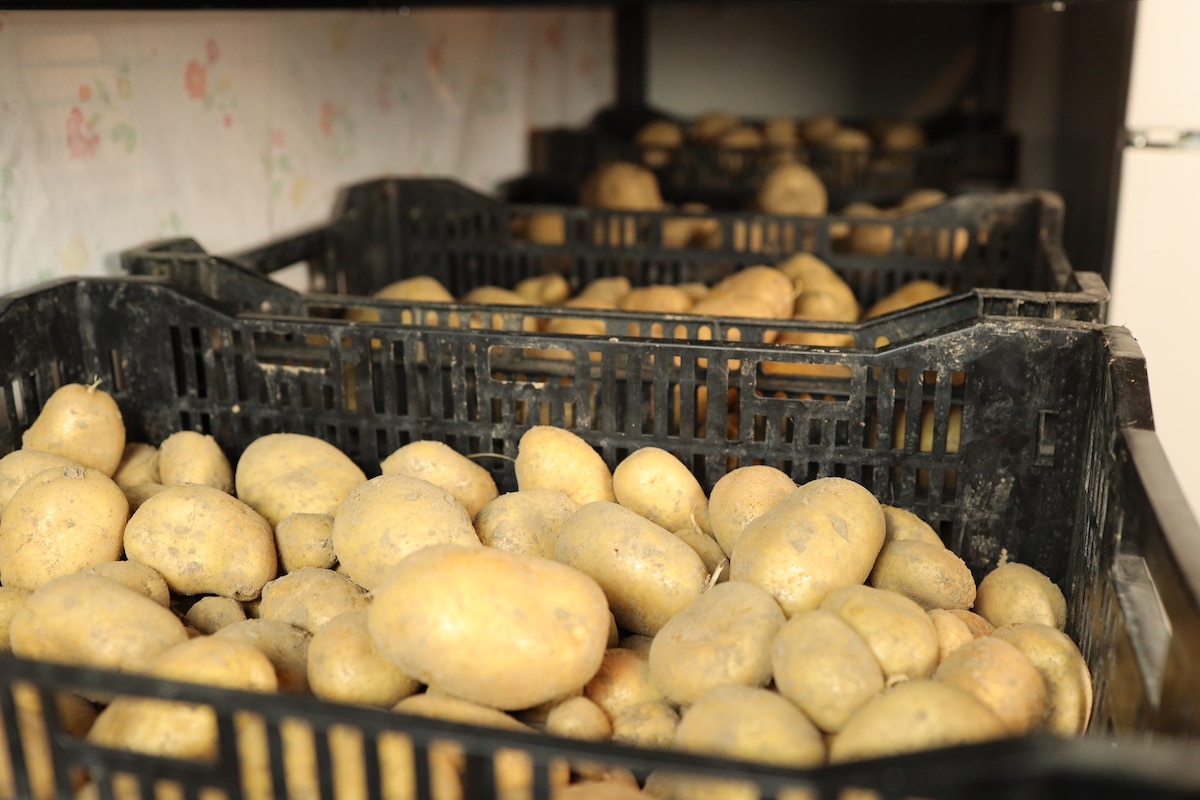
Potatoes are among the most versatile and widely consumed foods worldwide, holding a prominent place in culinary traditions across many cultures. While their utility in the kitchen is unparalleled, the challenge often lies in storing them effectively to maximise their shelf life. With proper handling and storage techniques, it is possible to keep potatoes fresh for up to four weeks, thereby reducing waste and ensuring a steady supply of this essential ingredient.

The longevity of potatoes is influenced significantly by the conditions in which they are stored. The first step to ensuring extended freshness is understanding the role of light, temperature, and humidity. Potatoes thrive in a dark, cool environment, ideally at a temperature ranging between 7°C and 10°C. Exposure to light accelerates the process of sprouting and promotes the development of chlorophyll, which causes potatoes to turn green and potentially produce solanine, a bitter compound that can be harmful when consumed in large quantities. Storing potatoes in a shaded area is thus crucial.

Humidity also plays a pivotal role in preserving potatoes. Excessive moisture can lead to rot, while overly dry conditions cause shrinkage and wrinkling. A humidity level of approximately 85-90% is optimal. To achieve this balance, potatoes can be stored in breathable containers such as paper or mesh bags, which facilitate air circulation while preventing the build-up of excess moisture. Avoid plastic bags, as they trap humidity and create an environment conducive to rot.


ADVERTISEMENT

Another critical consideration is the company potatoes keep. Storing potatoes alongside other produce such as onions can hasten spoilage. Onions emit ethylene gas, a natural ripening agent that can accelerate the decay process in potatoes. For this reason, it is advisable to store these items separately, even if space constraints exist.

When purchasing potatoes, quality matters. Selecting firm, blemish-free potatoes without signs of sprouting or green discolouration will provide a better starting point for storage. Inspecting the skin for cuts or bruises is equally important, as these imperfections can provide entry points for bacteria and fungi, hastening decay.

Regularly monitoring stored potatoes is essential to maintaining their freshness. Remove any potatoes that show signs of spoilage, such as soft spots, unpleasant odours, or visible mould. Spoiled potatoes can affect the quality of the entire batch if left unchecked, as the rot can spread quickly.

Washing potatoes before storage is a common misconception that can inadvertently shorten their shelf life. Moisture left on the skin creates an ideal environment for mould and bacteria. It is best to store potatoes in their natural state and wash them only when ready to cook.

A practical storage solution involves repurposing household items to create a suitable environment. For instance, a cardboard box lined with newspaper can serve as an effective storage container. The newspaper absorbs excess moisture, while the box provides the necessary darkness. Alternatively, placing potatoes in a cool pantry or cellar—if available—is an excellent choice. Ensuring good ventilation in these spaces will further enhance storage conditions.

Seasonal factors also influence how long potatoes remain fresh. During warmer months, achieving the ideal storage temperature may require more effort, such as using insulated containers or cool storage rooms. Conversely, colder months may naturally provide the right conditions, but it is important to avoid exposing potatoes to freezing temperatures, as this causes the starch to convert to sugar, affecting their taste and texture.

For individuals who grow their own potatoes, proper harvesting practices can extend their shelf life. Allowing freshly dug potatoes to cure for one to two weeks in a dark, well-ventilated space enables their skins to thicken and dry, providing natural protection against decay. Once cured, they can be transferred to a storage area with the appropriate conditions.

Even with optimal storage, some varieties of potatoes last longer than others. For example, russet and Yukon Gold potatoes are known for their extended shelf life compared to more delicate varieties such as red or new potatoes. When planning storage, it may be beneficial to prioritise these hardier types for long-term use.

Modern households can also explore innovative storage methods, such as vacuum sealing, to extend the freshness of potatoes. Vacuum-sealing equipment removes air and significantly slows the spoilage process. While this method requires initial investment, it can prove cost-effective in the long run, particularly for families or establishments that use large quantities of potatoes.

Understanding the science behind potato storage empowers individuals to make informed decisions, ultimately reducing waste and promoting sustainability. By implementing these straightforward practices, households and businesses alike can ensure a steady supply of fresh potatoes, ready to elevate a variety of dishes from simple mashed potatoes to intricate gourmet creations.

In conclusion, preserving the freshness of potatoes is not merely a matter of convenience but also one of practicality and economy. Adhering to best practices—including optimal storage conditions, mindful selection, and regular monitoring—can make a substantial difference in extending their shelf life. Whether for the home cook or the professional chef, these guidelines offer a reliable pathway to maximising the utility of one of the most enduring staples in culinary history.


 

Tags: culinary advicefood preservationfood safetyfresh potatoeshousehold hackskitchen tipslong-term storagePotato storagereduce food wastesustainable living
Previous Post

President Cyril Ramaphosa’s Opinion: How South Africa’s Natural Splendour Can Drive Inclusive Growth

Next Post

Ayodele Amodu: Championing Agricultural Innovation to Combat Climate Change and Food Insecurity

SAT Reporter

Related Posts

Chef Abbys Redefines Ghanaian Cuisine Through Nationwide Tour
Food and Drink

Chef Abbys Redefines Ghanaian Cuisine Through Nationwide Tour

by Leo Muzivoreva
May 16, 2026
Munch and Sip Expands Into Culinary Culture With Launch of The Pantry
Food and Drink

Munch and Sip Expands Into Culinary Culture With Launch of The Pantry

by Leo Muzivoreva
April 25, 2026
Africa’s emerging caviar industry signals a shift in global luxury food production
Food and Drink

Africa’s emerging caviar industry signals a shift in global luxury food production

by SAT Reporter
April 25, 2026
US Tariffs Raise Cost of South African Wine in America
Food and Drink

US Tariffs Raise Cost of South African Wine in America

by SAT Reporter
February 19, 2026
Experts Convene in Nairobi to Catalyse Private Sector Investment in Africa’s Agrifood Systems
Food and Drink

Experts Convene in Nairobi to Catalyse Private Sector Investment in Africa’s Agrifood Systems

by SAT Reporter
February 10, 2026
Next Post
Ayodele Amodu: Championing Agricultural Innovation to Combat Climate Change and Food Insecurity

Ayodele Amodu: Championing Agricultural Innovation to Combat Climate Change and Food Insecurity

Browse by Category

  • Africa AI
  • African Continental Free Trade Area
  • African Debt
  • African Start ups
  • Agriculture
  • AI Africa
  • Algeria
  • All News
  • Analysis
  • Angola
  • Arts / Culture
  • Asia
  • Botswana
  • BOTSWANA
  • BREAKING NEWS
  • BRICS
  • Burkina Faso
  • Burundi
  • Business
  • Business
  • Business Wire
  • Cameroon
  • Central Africa
  • Chad
  • China
  • Climate Change
  • Climate Changev
  • Community
  • Congo Republic
  • Conservation
  • Côte d’Ivoire
  • COVID 19
  • CRYPTOCURRENCY
  • Culture
  • Democratic Republic of Congo
  • Diplomacy
  • Eastern Africa
  • Economic Development
  • Economy
  • Education
  • Egypt
  • Elections 2024
  • Energy
  • Entertainment
  • Environment
  • Eritrea
  • Ethiopia
  • Europe
  • Fashion
  • Feature
  • Finance
  • Financial Inclusion
  • Food
  • Food and Drink
  • Foods
  • GABON
  • Ghana
  • Global
  • Global Africa
  • Guinea
  • Health
  • Humanitarian Aid
  • Immigration
  • in Southern Africa
  • International news
  • International Relations
  • Investment
  • Ivory Coast
  • Just In
  • Kenya
  • Lesotho
  • Libya
  • Life Style
  • Lifestyle
  • Literature
  • Malawi
  • Malawi
  • Mali
  • Markets
  • Mauritius
  • Middle East
  • Mining in Africa
  • Morocco
  • Mozambique
  • Namibia
  • Niger
  • niger
  • Nigeria
  • North Africa
  • North-Eastern Africa
  • Obituaries
  • Obituary
  • Opinion
  • PARTNER CONTENT
  • Politics
  • Property
  • Racism
  • Rwanda
  • Rwanda
  • SADC
  • SAT Interviews
  • SAT Investigation
  • SAT Jobs
  • Saudi Arabia
  • Senegal
  • Seychelles
  • Somaliland
  • South Africa
  • South Sudan
  • Sports
  • Startup Africa
  • STOCK EXCHANGE
  • Sudan
  • Sustainability
  • Sustainablity
  • Tanzania
  • Technology
  • Telecommunications
  • The Editorial Board
  • The Power Of She
  • Togo
  • Trade
  • Travel
  • Travel
  • Tunisia
  • Uganda
  • Uncategorized
  • Wealth
  • West Africa
  • World
  • World
  • ZAMBIA
  • Zambia
  • ZIMBABWE
  • Zimbabwe

Browse by Tags

#NewsUpdate #SouthAfrica #SouthernAfricanTimes #TheSouthernAfricanTimes AfCFTA africa African Continental Free Trade Area African development African Development Bank African economies African economy African Union Agriculture Angola Botswana China Climate change Cyril Ramaphosa Economic Development economic growth energy transition fiscal policy governance industrialisation Inflation Infrastructure Infrastructure Development International relations Investment Kenya Mozambique Namibia news Nigeria Regional Integration renewable energy Rwanda SADC South Africa Southern Africa sustainable development Tanzania United States Zambia Zimbabwe
ADVERTISEMENT

WHO WE ARE

The Southern African Times is a regional bloc digital newspaper that covers Southern African and world news. The paper also gives a nuanced analysis on news and covers a wide range of reporting which include sports, entertainment, foreign affairs, arts and culture.

Welcome Back!

Login to your account below

Forgotten Password?

Retrieve your password

Please enter your username or email address to reset your password.

Log In
  • Home
  • Southern Africa
  • Business
    • African Start ups
    • African Continental Free Trade Area
  • Technology
    • Lifestyle
      • Health
      • Culture
      • Food and Drink
      • Entertainment
  • Opinion
  • Sports
  • SAT Jobs
    • Events
  • About Us
    • Advertise with Us
    • Contact Us
Not enough quota to unlock this post
Unlock left : 0
Are you sure want to cancel subscription?