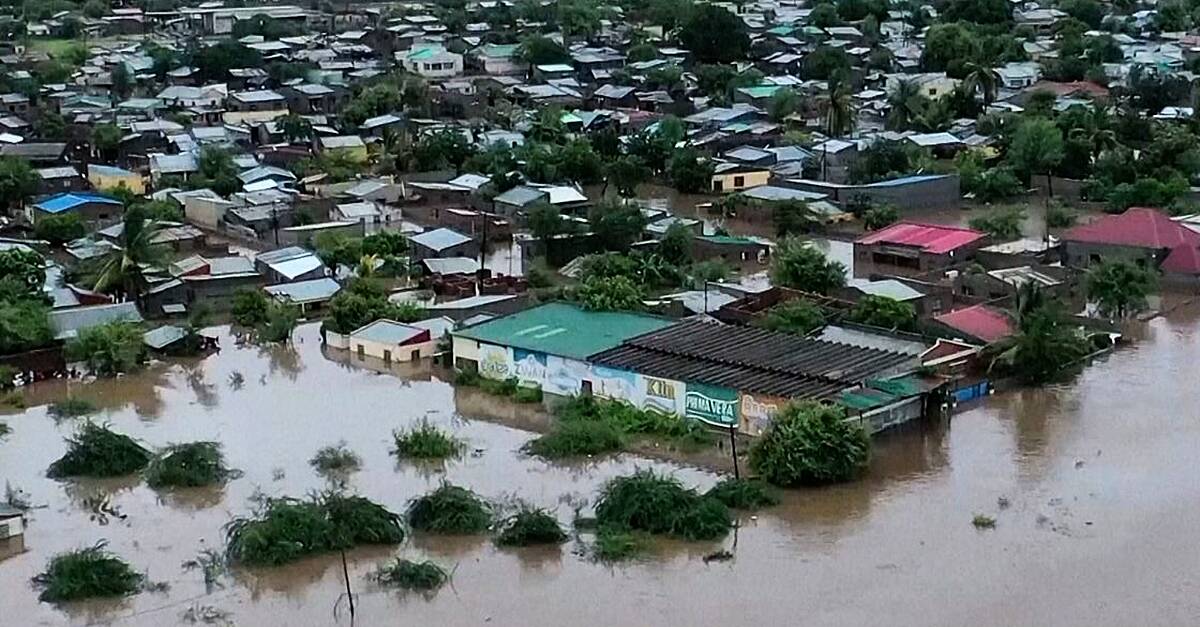
More than 100 people have died across multiple countries in southern Africa following weeks of intense rainfall and widespread flooding, with forecasts suggesting further adverse weather may continue. From the floodplains of Mozambique to the low-lying areas of South Africa’s northern provinces, the region has seen a surge in disaster alerts and emergency responses, amid increasing concern over the vulnerability of populations to climate-induced weather extremes.
The South African Weather Service issued its highest level alert for parts of the country on Friday, following rainfall that exceeded 400 millimetres in certain districts in under a week. President Cyril Ramaphosa, after visiting the heavily affected Limpopo province, described the damage as absolute, noting entire homes had been washed away in the deluge. In both Limpopo and Mpumalanga provinces, search and rescue operations are ongoing, with the South African National Defence Force deploying helicopters to evacuate residents stranded on rooftops and trees.
The extensive Kruger National Park, spanning over 22,000 square kilometres in the northeast, was closed to the public as floodwaters rendered roads and bridges impassable. Approximately 600 tourists and staff were airlifted to safer areas within the park, with officials from South African National Parks confirming that no fatalities had occurred within the park itself.



In Mozambique, the National Institute for Disaster Management and Risk Reduction has reported at least 103 deaths since the beginning of the rainy season. The causes of death range from drowning to infrastructure collapse and lightning strikes, with the ongoing flooding also triggering secondary health risks such as cholera. Central and southern regions have borne the brunt of the flooding, impacting over 200,000 people and damaging thousands of homes. According to the World Food Programme, over 70,000 hectares of staple crops such as rice and maize have been inundated, exacerbating food insecurity for smallholder farming communities already vulnerable to cyclical droughts and supply disruptions.
Zimbabwe’s Civil Protection Unit has also confirmed the loss of at least 70 lives since the start of the year. More than 1,000 homes have been destroyed, with infrastructure such as schools and bridges severely affected. The government continues to assess the scale of destruction as rainfalls remain persistent across several districts.
Elsewhere in the region, heavy rainfall has also disrupted life in Madagascar, Malawi and Zambia. Authorities in Madagascar report at least 11 deaths since late November. Regional meteorological services have warned that the full impact of La Nina is yet to peak, with intensified rainfall expected across eastern and southern parts of the continent.

The United States Famine Early Warning Systems Network indicated that flooding is either ongoing or anticipated in at least seven countries in the region. This forecast coincides with a pattern of intensifying weather volatility observed over the past several years in southern Africa, where prolonged droughts, cyclones and extreme heatwaves have placed additional pressure on already fragile ecological and economic systems.
As countries across the region brace for continued rainfall, experts are calling for an urgent reassessment of disaster preparedness infrastructure and the need for long-term, locally led climate adaptation strategies. Recent events underscore not only the region’s exposure to climate-linked disasters but also the critical importance of investing in resilience and recovery systems that reflect the lived realities of affected communities.
While the international community’s engagement remains important, African institutions and governments continue to play a central role in shaping sustainable responses grounded in local knowledge, resourcefulness and accountability. In the wake of these devastating floods, communities are not only enduring loss but are also leading the charge to rebuild with dignity and strength.