Wednesday, May 13, 2026
  • Login
The Southern African Times
  • Home
  • Southern Africa
  • Business
    • African Start ups
    • African Continental Free Trade Area
  • Technology
    • Lifestyle
      • Health
      • Culture
      • Food and Drink
      • Entertainment
  • Opinion
  • Sports
  • SAT Jobs
    • Events
  • About Us
    • Advertise with Us
    • Contact Us
No Result
View All Result
  • Home
  • Southern Africa
  • Business
    • African Start ups
    • African Continental Free Trade Area
  • Technology
    • Lifestyle
      • Health
      • Culture
      • Food and Drink
      • Entertainment
  • Opinion
  • Sports
  • SAT Jobs
    • Events
  • About Us
    • Advertise with Us
    • Contact Us
No Result
View All Result
The Southern African Times
No Result
View All Result
Home Markets

Oil eases as US moves to secure Strait of Hormuz shipping amid ongoing tensions

by SAT Reporter
May 4, 2026
in Markets
0
Oil eases as US moves to secure Strait of Hormuz shipping amid ongoing tensions

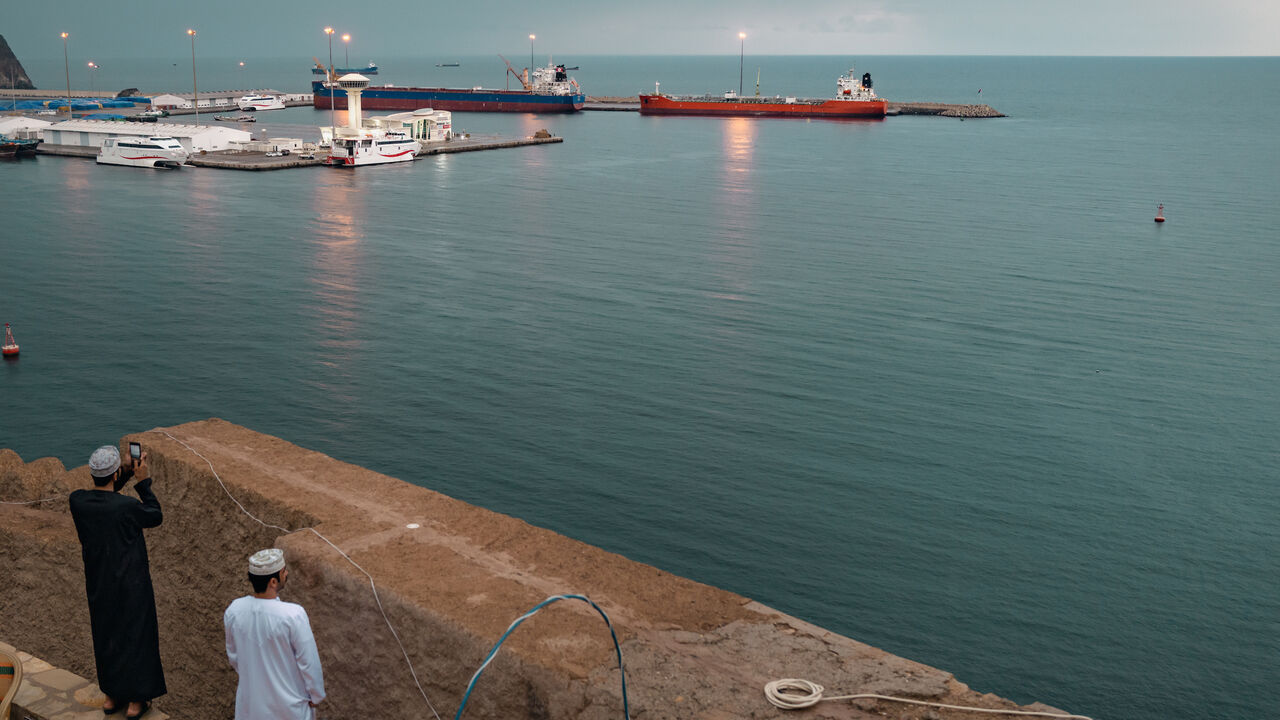
MUSCAT, OMAN - MARCH 25: Locals take photos of two bulk carriers anchored at Muscat Anchorage on March 25, 2026 in Muscat, Oman. Maritime traffic through the Strait of Hormuz, which conveys about 20% of the world's oil and gas, has mostly come to a halt after the joint U.S.-Israeli war with Iran that began on February 28. Iran, in a defiant reply to a ceasefire proposal from the United States, has claimed that sovereignty over the Strait of Hormuz "is its natural and legal right." Under international law, the strait is a shared waterway and no country has sole legal authority over it. (Photo by Elke Scholiers/Getty Images)

Oil markets registered modest declines on 4 May after the United States signalled its intention to assist commercial vessels navigating the Strait of Hormuz, offering limited reassurance to traders amid continued geopolitical tensions affecting one of the world’s most critical energy corridors.

According to reporting by Reuters, Brent crude traded just above 108 US dollars per barrel in early Asian hours, while West Texas Intermediate remained above 100 dollars. The marginal easing follows sharper losses recorded at the close of the previous week, though prices continue to reflect sustained concerns about constrained global supply.

The Strait of Hormuz, located between Iran and Oman, remains central to global energy security. Data from the United States Energy Information Administration indicates that approximately one fifth of globally traded oil passes through this narrow waterway. Disruptions in this corridor therefore carry wide ranging implications, particularly for energy import dependent regions across Africa.


ADVERTISEMENT

President Donald Trump stated that the United States would support efforts to guide vessels safely through the strait, where shipping activity has been affected by heightened tensions. While this announcement contributed to a slight softening in prices, market analysts note that the absence of a comprehensive diplomatic resolution continues to limit prospects for sustained price declines.

Negotiations between the United States and Iran remain ongoing, with no confirmed agreement. Public positions suggest that Iran is prioritising the easing of maritime and economic restrictions before advancing nuclear related discussions. This impasse continues to shape market sentiment and reinforces uncertainty across global energy markets.

At the same time, the Organisation of the Petroleum Exporting Countries and its partners have outlined plans to increase production targets for June. Information from OPEC confirms a proposed rise of approximately 188000 barrels per day among selected member states. However, analysts caution that such increases may remain largely theoretical if logistical constraints in the Gulf continue to disrupt supply routes.

For African economies, the implications remain complex. Oil exporting countries such as Nigeria and Angola may benefit from elevated prices, though these gains are often tempered by volatility and fiscal planning challenges. Meanwhile, oil importing nations across Southern and Eastern Africa continue to face inflationary pressures linked to higher fuel costs, with potential impacts on transport, food prices and broader economic stability.

These dynamics also reinforce the importance of regional energy resilience. Initiatives supported by institutions such as the African Development Bank continue to emphasise diversification, including investment in renewable energy and expanded intra African energy trade, as part of longer term strategies to reduce vulnerability to external shocks.

Despite the slight easing observed on 4 May 2026, the broader outlook suggests that oil markets will remain highly sensitive to developments in the Gulf. Without a clear and sustained resolution that restores full maritime flows through the Strait of Hormuz, price stability is likely to remain uncertain.


Tags: Africa EnergyCrude OilEnergy SecurityGeopoliticsGlobal MarketsIran US relationsOil PricesopecSouthern AfricaStrait of Hormuz
Previous Post

Elohor Ebieroma Is Building Africa’s Agricultural Markets for the Global Economy

Next Post

Airlines Slash Flights as Fuel Shortage Fears Intensify

SAT Reporter

Related Posts

Gold declines as oil market volatility heightens inflation concerns
Markets

Gold declines as oil market volatility heightens inflation concerns

by SAT Reporter
May 11, 2026
African Markets Track Oil Volatility, Telecom Growth and Commodity Pressures
Markets

African Markets Track Oil Volatility, Telecom Growth and Commodity Pressures

by SAT Reporter
May 8, 2026
Toyota plans major India expansion with three new plants
Markets

Toyota plans major India expansion with three new plants

by SAT Reporter
May 2, 2026
African Capital Markets Conference spotlights diaspora capital for market growth
Markets

AFRINEX Lists US$33 million Bond for Cellecor Gadgets Limited

by SAT Reporter
May 1, 2026
Botswana Raises Interest Rates as Inflation Surges and Global Energy Shock Intensifies
Markets

Botswana Raises Interest Rates as Inflation Surges and Global Energy Shock Intensifies

by SAT Reporter
May 1, 2026
Next Post
Airlines Slash Flights as Fuel Shortage Fears Intensify

Airlines Slash Flights as Fuel Shortage Fears Intensify

Browse by Category

  • Africa AI
  • African Continental Free Trade Area
  • African Debt
  • African Start ups
  • Agriculture
  • AI Africa
  • Algeria
  • All News
  • Analysis
  • Angola
  • Arts / Culture
  • Asia
  • Botswana
  • BOTSWANA
  • BREAKING NEWS
  • BRICS
  • Burkina Faso
  • Burundi
  • Business
  • Business
  • Business Wire
  • Cameroon
  • Central Africa
  • Chad
  • China
  • Climate Change
  • Climate Changev
  • Community
  • Congo Republic
  • Conservation
  • Côte d’Ivoire
  • COVID 19
  • CRYPTOCURRENCY
  • Culture
  • Democratic Republic of Congo
  • Diplomacy
  • Eastern Africa
  • Economic Development
  • Economy
  • Education
  • Egypt
  • Elections 2024
  • Energy
  • Entertainment
  • Environment
  • Eritrea
  • Ethiopia
  • Europe
  • Fashion
  • Feature
  • Finance
  • Financial Inclusion
  • Food
  • Food and Drink
  • Foods
  • GABON
  • Ghana
  • Global
  • Global Africa
  • Guinea
  • Health
  • Immigration
  • in Southern Africa
  • International news
  • International Relations
  • Investment
  • Ivory Coast
  • Just In
  • Kenya
  • Lesotho
  • Libya
  • Life Style
  • Lifestyle
  • Literature
  • Malawi
  • Malawi
  • Mali
  • Markets
  • Mauritius
  • Middle East
  • Mining in Africa
  • Morocco
  • Mozambique
  • Namibia
  • Niger
  • niger
  • Nigeria
  • North Africa
  • North-Eastern Africa
  • Obituaries
  • Obituary
  • Opinion
  • PARTNER CONTENT
  • Politics
  • Property
  • Racism
  • Rwanda
  • Rwanda
  • SADC
  • SAT Interviews
  • SAT Investigation
  • SAT Jobs
  • Saudi Arabia
  • Senegal
  • Seychelles
  • Somaliland
  • South Africa
  • South Sudan
  • Sports
  • Startup Africa
  • STOCK EXCHANGE
  • Sudan
  • Sustainability
  • Sustainablity
  • Tanzania
  • Technology
  • Telecommunications
  • The Editorial Board
  • The Power Of She
  • Togo
  • Trade
  • Travel
  • Travel
  • Tunisia
  • Uganda
  • Uncategorized
  • Wealth
  • West Africa
  • World
  • World
  • ZAMBIA
  • Zambia
  • Zimbabwe
  • ZIMBABWE

Browse by Tags

#NewsUpdate #SouthAfrica #SouthernAfricanTimes #TheSouthernAfricanTimes AfCFTA africa African Continental Free Trade Area African development African Development Bank African economies African economy African Union Agriculture Angola Botswana Business China Climate change Cyril Ramaphosa Economic Development economic growth energy transition fiscal policy industrialisation Inflation Infrastructure Infrastructure Development International relations Investment Kenya Mozambique Namibia news Nigeria Regional Integration renewable energy Rwanda SADC South Africa Southern Africa sustainable development Tanzania United States Zambia Zimbabwe
ADVERTISEMENT

WHO WE ARE

The Southern African Times is a regional bloc digital newspaper that covers Southern African and world news. The paper also gives a nuanced analysis on news and covers a wide range of reporting which include sports, entertainment, foreign affairs, arts and culture.

Welcome Back!

Login to your account below

Forgotten Password?

Retrieve your password

Please enter your username or email address to reset your password.

Log In

  • Home
  • Southern Africa
  • Business
    • African Start ups
    • African Continental Free Trade Area
  • Technology
    • Lifestyle
      • Health
      • Culture
      • Food and Drink
      • Entertainment
  • Opinion
  • Sports
  • SAT Jobs
    • Events
  • About Us
    • Advertise with Us
    • Contact Us
Are you sure want to unlock this post?
Unlock left : 0
Are you sure want to cancel subscription?