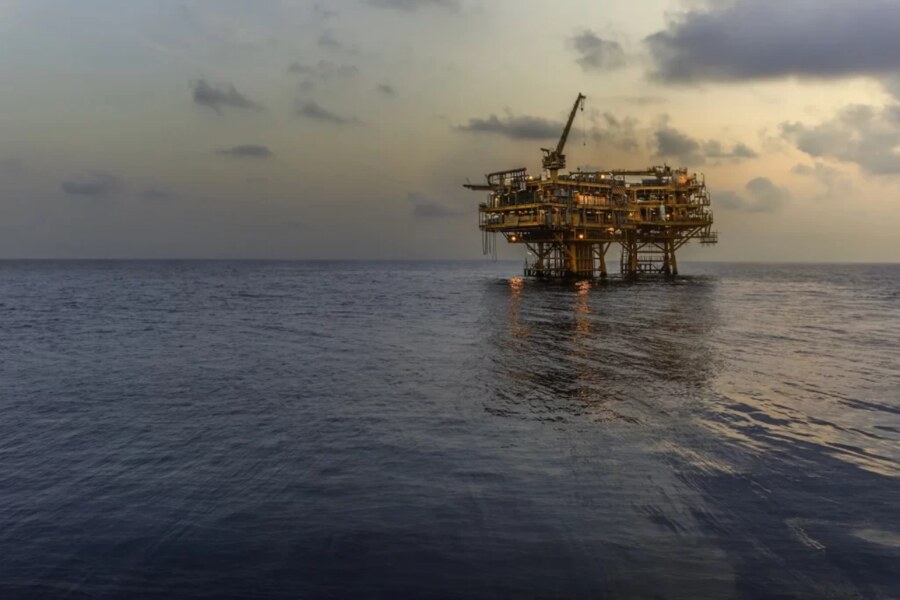
Nigeria has reclaimed its position as the continent’s leader in upstream capital expenditure (capex) for 2024, overtaking Angola. This development, highlighted in a recent report by energy consultancy firm Wood Mackenzie, underscores Nigeria’s growing momentum in oil and gas investment. The resurgence is primarily attributed to incremental deepwater oil developments in the Lower Congo Basin.
This achievement reflects the impact of several transformative initiatives. Nigeria’s energy sector, which has long been a cornerstone of its economy, received a substantial boost through a series of landmark presidential directives and fiscal incentives introduced in 2023. According to Olu Verheijen, the special adviser on energy to President Bola Tinubu, these measures are reshaping the energy landscape and fostering unprecedented levels of investment, not only for 2024 but also setting a solid foundation for the future.
“These transformative measures are not only reshaping Nigeria’s energy landscape but also setting the stage for unprecedented levels of investment in 2025 and beyond, reaffirming Nigeria’s role as a powerhouse in Africa’s energy sector,” Verheijen noted.



Angola, a strong contender in the African oil and gas sector, had previously held the top spot in upstream investment. However, Nigeria’s renewed focus on deepwater projects and its proactive approach to improving its fiscal framework have shifted the balance. These changes signal a broader trend of increased competition among African nations to attract foreign investment and optimise resource development.
Wood Mackenzie’s report highlights that the measures taken by Nigeria not only enhance its attractiveness to international investors but also support the long-term viability of its energy projects. The reforms are likely to improve project timelines, reduce regulatory bottlenecks, and offer more competitive terms to oil and gas operators.
This development has significant implications for Africa’s broader energy sector. As countries like Nigeria and Angola vie for investment, the continent is poised for a period of heightened activity and technological advancement in upstream operations. This competition could stimulate innovation, drive cost efficiency, and ultimately increase the region’s contribution to global energy supplies.
Furthermore, Nigeria’s strategic investments in deepwater projects are aligned with global trends focusing on advanced extraction techniques and enhanced recovery. By capitalising on these trends, Nigeria could further solidify its position as a major player on the global energy stage.

Despite these advancements, challenges remain. Nigeria’s energy sector has historically faced issues such as regulatory delays, security concerns, and infrastructural deficiencies. While recent reforms have addressed some of these barriers, sustained efforts will be required to maintain investor confidence and ensure the successful implementation of projects.
Additionally, the global energy transition poses a potential challenge to fossil-fuel-dependent economies. However, Nigeria’s current approach indicates a recognition of the need to balance traditional energy investments with the development of renewable energy sources.
Nigeria’s success story could serve as a model for other African nations seeking to revitalise their energy sectors. The country’s emphasis on policy reform coupled with targeted fiscal incentives, highlights the importance of creating a conducive environment for investment. If adopted more broadly, this approach could catalyse a wave of development across the continent, enhancing energy security and supporting economic growth.
Nigeria’s resurgence as Africa’s leader in upstream capex is a testament to the power of strategic reform and investment. By fostering a more attractive and efficient energy sector, the country has positioned itself as a hub for innovation and growth in the oil and gas industry. As the global energy landscape continues to evolve, Nigeria’s ability to adapt and lead will remain crucial in defining its role on the international stage.