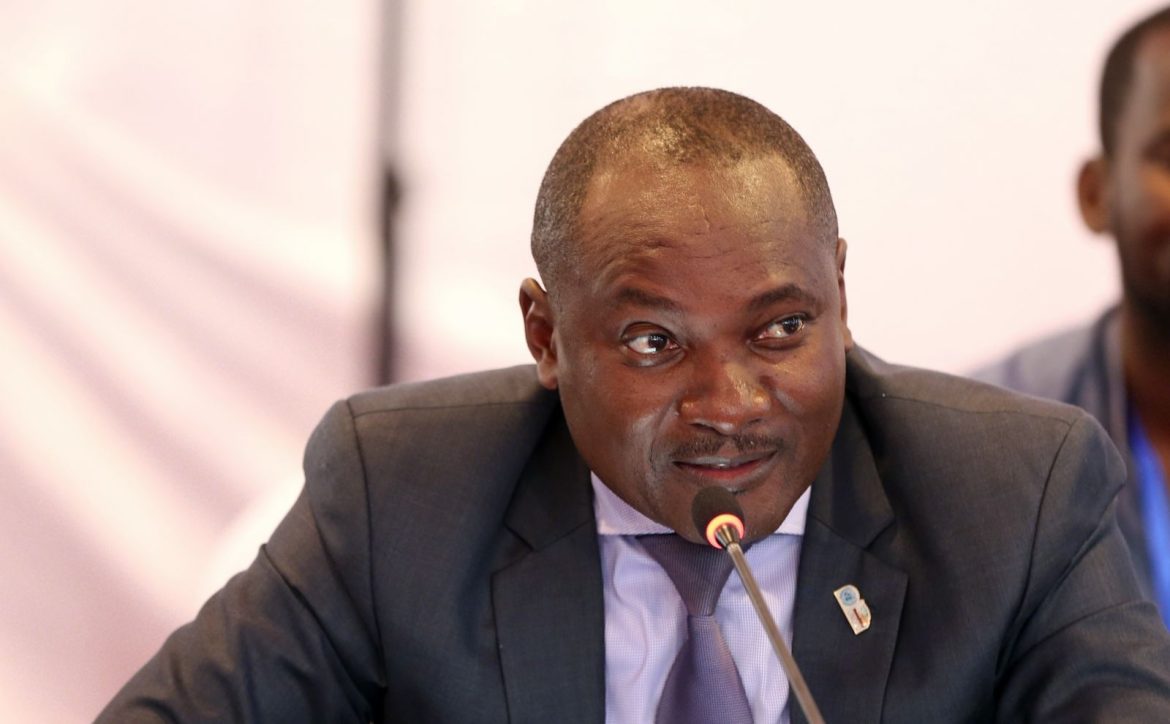
In a compelling address at the Green Climate Fund’s Regional Dialogue with Africa in Windhoek, Namibia, the Minister of Environment, Forestry, and Tourism, Shifeta, underscored the urgent need for concerted global efforts to address the adverse impacts of climate change across the African continent. Shifeta emphasized that while adaptation is a top priority, the available financing for these efforts falls significantly short of what is needed.
The Green Climate Fund, established under the United Nations Framework Convention on Climate Change (UNFCCC), serves as a global financial mechanism to support developing countries in both mitigating and adapting to climate change. Shifeta urged developed nations to play a vital role in fulfilling their climate and development finance commitments, specifically calling for a doubling of adaptation finance with a focus on supporting Africa.
Shifeta pointed out that African nations have set ambitious goals in their Nationally Determined Contributions (NDCs) to the Paris Agreement, aiming to build climate-resilient and low-carbon economies. However, these commitments often hinge on receiving adequate financial, technical, and capacity-building support.



“Climate finance is critical for enabling Africa to adapt to the growing impacts of climate change and to ensure that its future development path is consistent with the goal of limiting global warming to no more than 1.5 degrees Celsius,” Shifeta declared.
He acknowledged that public funding alone would not suffice, given the magnitude of investments required. Shifeta highlighted the potential of the private sector to meet Africa’s climate finance needs, emphasizing the need for improved policy frameworks, investment environments, and concessional financing to overcome investment barriers.

“Africa has the opportunity to embrace a low-carbon, climate-resilient path that can lead to both development and climate goals,” Shifeta declared optimistically. However, he stressed that substantial investments in energy transitions, sustainable infrastructure, climate change adaptation, resilience, and the restoration of natural capital and biodiversity are essential to achieve this vision.
The minister urged the international community to recognize the pressing nature of the situation, emphasizing that time is of the essence. He called for a collaborative approach to mobilize the necessary resources and support, highlighting that addressing climate change is not only a moral imperative but also crucial for the sustainable development of the continent.

Shifeta’s plea for developed nations to meet their climate finance commitments resonates as a call for solidarity and shared responsibility in the face of a global challenge. As the world grapples with the consequences of climate change, the spotlight is now on whether the international community will rise to the occasion and provide the support needed for Africa to navigate the impacts and build a sustainable, climate-resilient future.