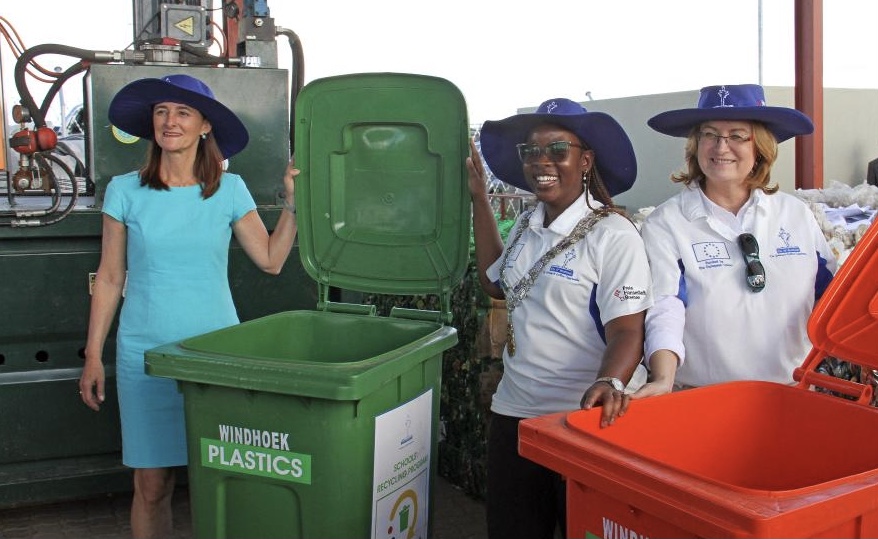
In a bid to tackle environmental challenges and foster economic empowerment, Namibia celebrated the inauguration of its inaugural Waste Buyback Center (WBBC) in Windhoek’s Katutura informal settlement. Funded by the European Union and implemented in collaboration with the Free Hanseatic City of Bremen, the project aims to revolutionise solid waste management in the region.
Under the banner of the “Improving Solid Waste Management in Windhoek” initiative, the WBBC signifies a significant step towards reducing waste volumes, curbing harmful environmental impacts, and stimulating job creation through innovative waste reengineering startups. At the heart of the project lies a commitment to promoting recycling practices and fostering sustainable community development.
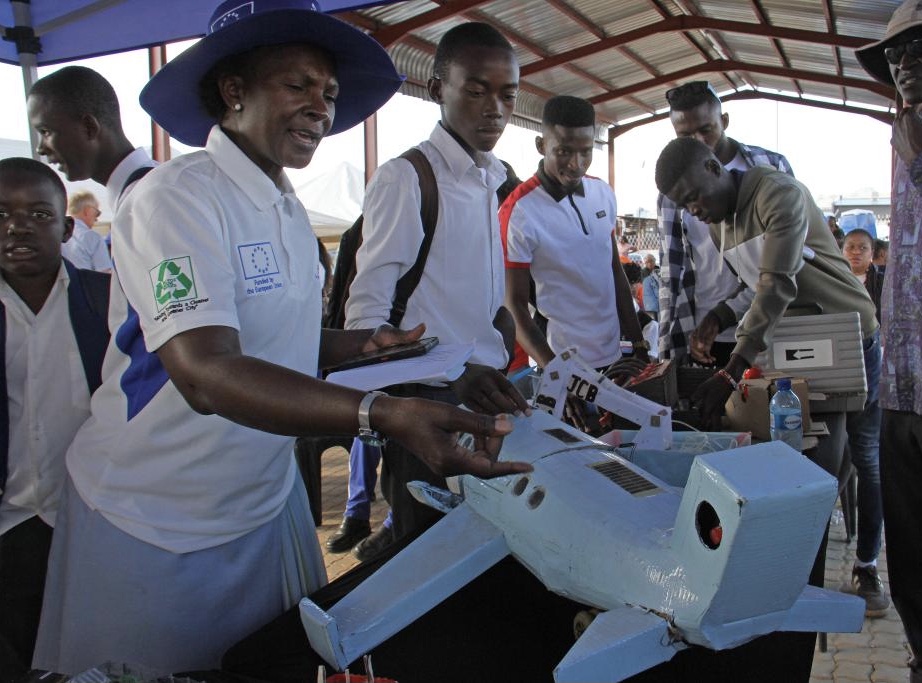
Queen Kamati, Mayor of Windhoek, underscored the WBBC’s multifaceted significance, noting its pivotal role in advancing environmental stewardship, empowering local economies, and nurturing community cohesion. The center’s establishment aligns closely with Namibia’s national waste management strategy, geared towards positioning the country as a continental leader in waste management standards by 2028, with an ultimate goal of achieving zero waste to landfill.



Ana-Beatriz, the European Union Ambassador to Namibia, lauded the project’s financial backing of 2.2 million euros, launched in 2020 for a four-year period. Emphasizing the transition towards a circular economy model, the initiative aims to pioneer sustainable practices, particularly focusing on Windhoek as a pioneering hub. By mitigating environmental degradation and fostering growth through recycling endeavors, the project seeks to set a transformative example for the region.


Stellio Tsauseb, acting chief engineer for the City of Windhoek, elucidated the intricacies of the waste management process, emphasizing the critical need for waste separation. Through meticulous segregation of recyclable materials such as aluminum, PET, and paper, the center ensures optimal recycling efficiency. Individuals bringing in recyclable materials stand to benefit from a flexible payment system, receiving either cash or redeemable coupons. These coupons, exchangeable at various retail partners for essentials like food, aim to incentivize recycling efforts while streamlining waste management practices in Windhoek.
With the success of the pilot WBBC, plans are already underway for the establishment of additional centers across Namibia, marking a significant stride towards a cleaner, more sustainable future for the southwestern African nation.