Monday, May 25, 2026
  • Login
The Southern African Times
  • Home
  • Southern Africa
  • Business
    • African Start ups
    • African Continental Free Trade Area
  • Technology
    • Lifestyle
      • Health
      • Culture
      • Food and Drink
      • Entertainment
  • Opinion
  • Sports
  • SAT Jobs
    • Events
  • About Us
    • Advertise with Us
    • Contact Us
No Result
View All Result
  • Home
  • Southern Africa
  • Business
    • African Start ups
    • African Continental Free Trade Area
  • Technology
    • Lifestyle
      • Health
      • Culture
      • Food and Drink
      • Entertainment
  • Opinion
  • Sports
  • SAT Jobs
    • Events
  • About Us
    • Advertise with Us
    • Contact Us
No Result
View All Result
The Southern African Times
No Result
View All Result
Home in Southern Africa

Mozambique’s Rice Import Bill Reaches Historic High Following Agricultural Decline

by SAT Reporter
April 17, 2025
in in Southern Africa, Mozambique
0
Mozambique’s Rice Import Bill Reaches Historic High Following Agricultural Decline

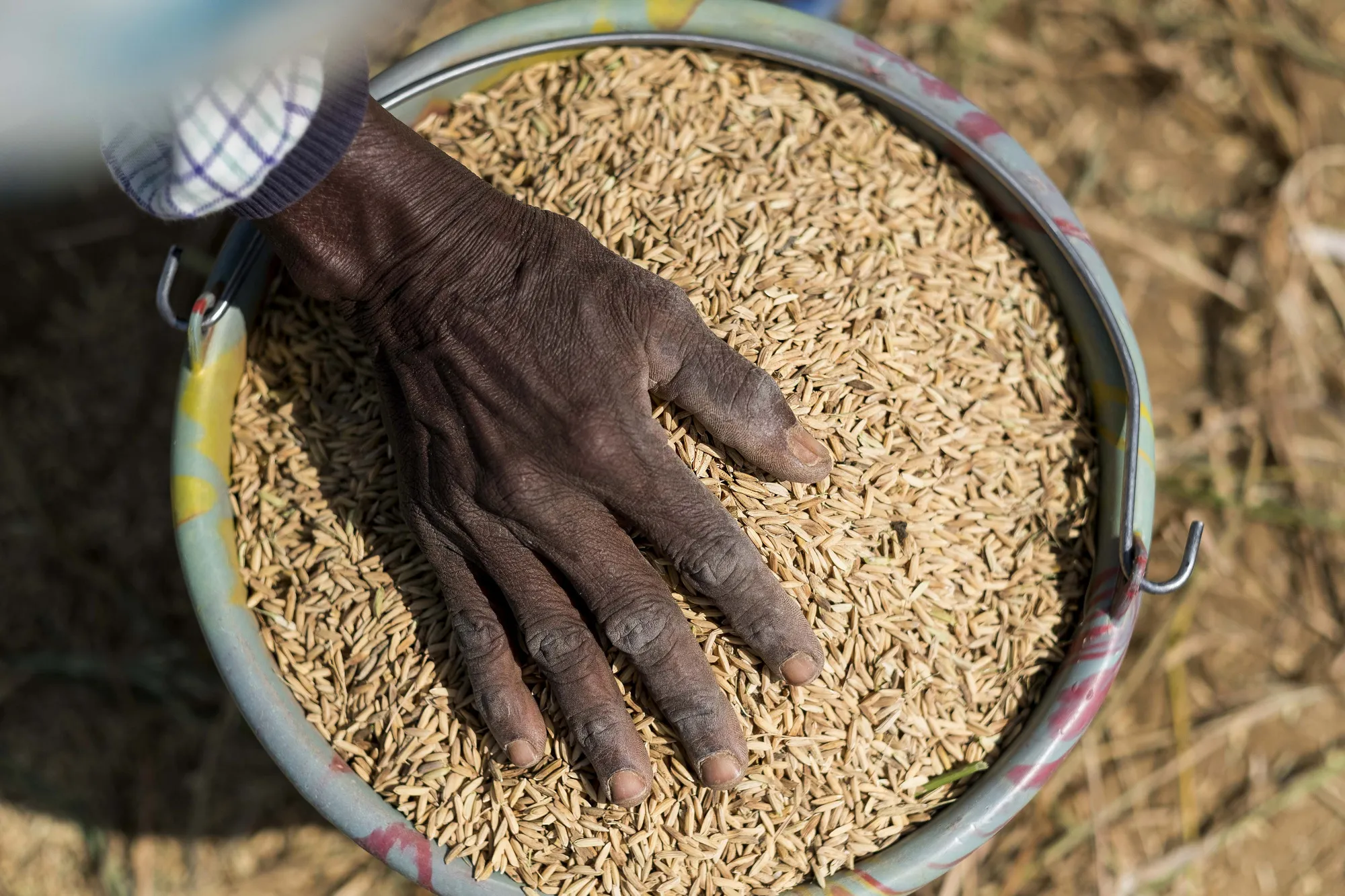
Mozambique’s reliance on rice imports reached an unprecedented level in 2024, with the import bill climbing to 441 million US dollars—marking a 38.8 percent increase from the previous year, according to the most recent data released by the Bank of Mozambique. This figure not only exceeds the 2023 total of 317.7 million dollars but also surpasses the previous record of 342.3 million dollars set in 2021, illustrating a persistent upward trend in the cost of rice procurement from external markets.

The growth in rice importation has occurred despite a broader contraction in the importation of consumer goods. Overall imports of such goods fell to 8.2 billion dollars in 2024, the lowest level recorded in the past three years. However, rice—an essential dietary staple in Mozambique—continues to exert a significant strain on the country’s external accounts, underscoring the vulnerabilities embedded in its food security framework.

A primary driver behind the spike in rice importation is the marked decline in domestic cereal production. According to the National Institute of Statistics of Mozambique, the nation’s rice output dropped by a staggering 34 percent in 2023. Production volumes fell to 161,800 tonnes, down from 245,700 tonnes in 2022, with the most substantial contributions to national production coming from Zambezia Province (48,500 tonnes) and Gaza Province (approximately 40,900 tonnes). These figures represent significant reductions from their historical averages and highlight regional disparities in agricultural productivity.

This decline is not unique to rice; other cereals critical to Mozambique’s subsistence and food economy also experienced downturns. Maize, the most widely grown staple crop in the country, saw an 11 percent reduction in output, declining to 2.1 million tonnes in 2023. Sorghum production fell by 15 percent to 139,500 tonnes, while millet, which plays a key role in arid and semi-arid regions, decreased sharply by 32 percent, with output falling to just 17,000 tonnes.

Such declines in cereal production are indicative of a broader set of structural challenges facing Mozambique’s agricultural sector. These include climatic volatility, such as prolonged droughts and cyclonic activity, poor irrigation infrastructure, and limited access to farming inputs. Agricultural productivity in Mozambique remains highly vulnerable to environmental fluctuations, and much of the country’s smallholder farming system continues to operate under rain-fed conditions. These constraints significantly compromise resilience and output consistency.

Furthermore, the contraction in domestic rice production and subsequent increase in imports may also reflect policy and infrastructural deficits. Limited investments in mechanisation, seed improvement, and rural road connectivity hamper both production and market access, leading to post-harvest losses and reduced farmer incomes. This creates a feedback loop in which domestic production remains insufficient to meet demand, thereby compelling increased reliance on foreign imports.

The financial implications of these trends are far-reaching. As Mozambique’s import bill swells, it exerts downward pressure on foreign exchange reserves and elevates inflationary risk, particularly for food products. This is of considerable concern for a country where a substantial portion of household expenditure is allocated to food. Rising import costs may therefore have a regressive impact on food affordability and accessibility, particularly for low-income households.

Compounding these challenges is the broader global context of commodity price fluctuations and supply chain disruptions. Global rice prices have remained elevated due to export restrictions from major producers and climate-induced reductions in supply across South and Southeast Asia. These global shocks resonate acutely in Mozambique, where dependence on imported rice renders the country particularly susceptible to price volatility.

To address these concerns, experts have called for a recalibration of Mozambique’s agricultural policy framework. There is a growing consensus around the need for comprehensive investment in agricultural resilience, including the development of sustainable irrigation systems, improved access to drought-resistant crop varieties, and enhanced extension services. Strategic partnerships with regional stakeholders and international development agencies could play a crucial role in fostering such initiatives.

Moreover, regional cooperation within the Southern African Development Community (SADC) could offer pathways to bolster food security through joint investment in cross-border agricultural projects and harmonisation of food safety and trade standards. Mozambique’s engagement in regional value chains, particularly in cereals, may provide a buffer against future supply shocks and reduce the financial burden of unilateral import strategies.

The recent report by the Bank of Mozambique thus serves as a timely reminder of the intricate linkages between agriculture, trade, and economic stability. While the record-high rice import bill is a headline figure, it is emblematic of deeper systemic issues requiring urgent and sustained policy attention. As the country navigates a path toward food self-sufficiency and economic resilience, enhancing domestic agricultural production must become a national priority—not only to reduce dependence on external markets but also to safeguard the livelihoods of millions who depend on agriculture for subsistence and income.

Tags: AgricultureBank of Mozambiquecereal productioneconomic policyfood securityInflationMozambiquerice importsSouthern Africatrade deficit
Previous Post

Ghana’s Cedi Gains on Central Bank Support, Zambia’s Kwacha Under Pressure

Next Post

China-Africa Economic Ties Continue to Deepen as Trade Reaches $295 Billion in 2024

SAT Reporter

Related Posts

Botswana Calls for Africa Led Trade Partnerships During France Africa Talks
Botswana

Botswana Calls for Africa Led Trade Partnerships During France Africa Talks

by SAT Reporter
May 18, 2026
Zambia’s Mining Expansion Extends Beyond Copper as Uranium Projects Gain Momentum
in Southern Africa

Zambia’s Mining Expansion Extends Beyond Copper as Uranium Projects Gain Momentum

by SAT Reporter
May 18, 2026
South Africa Advances Rail and Port Reforms to Strengthen Regional Trade Connectivity
in Southern Africa

South Africa Advances Rail and Port Reforms to Strengthen Regional Trade Connectivity

by SAT Reporter
May 18, 2026
ANC Rallies Behind Ramaphosa as Farmgate Pressure Mounts
South Africa

ANC Rallies Behind Ramaphosa as Farmgate Pressure Mounts

by SAT Reporter
May 14, 2026
Rights Group Details Killings During Uvira Occupation
Democratic Republic of Congo

Rights Group Details Killings During Uvira Occupation

by SAT Reporter
May 14, 2026
Next Post
China-Africa Economic Ties Continue to Deepen as Trade Reaches $295 Billion in 2024

China-Africa Economic Ties Continue to Deepen as Trade Reaches $295 Billion in 2024

Browse by Category

  • Africa AI
  • African Continental Free Trade Area
  • African Debt
  • African Start ups
  • Agriculture
  • AI Africa
  • Algeria
  • All News
  • Analysis
  • Angola
  • Arts / Culture
  • Asia
  • Botswana
  • BOTSWANA
  • BREAKING NEWS
  • BRICS
  • Burkina Faso
  • Burundi
  • Business
  • Business
  • Business Wire
  • Cameroon
  • Central Africa
  • Chad
  • China
  • Climate Change
  • Climate Changev
  • Community
  • Congo Republic
  • Conservation
  • Côte d’Ivoire
  • COVID 19
  • CRYPTOCURRENCY
  • Culture
  • Democratic Republic of Congo
  • Diplomacy
  • Eastern Africa
  • Economic Development
  • Economy
  • Education
  • Egypt
  • Elections 2024
  • Energy
  • Entertainment
  • Environment
  • Eritrea
  • Ethiopia
  • Europe
  • Fashion
  • Feature
  • Finance
  • Financial Inclusion
  • Food
  • Food and Drink
  • Foods
  • GABON
  • Ghana
  • Global
  • Global Africa
  • Guinea
  • Health
  • Humanitarian Aid
  • Immigration
  • in Southern Africa
  • International news
  • International Relations
  • Investment
  • Ivory Coast
  • Just In
  • Kenya
  • Lesotho
  • Libya
  • Life Style
  • Lifestyle
  • Literature
  • Malawi
  • Malawi
  • Mali
  • Markets
  • Mauritius
  • Middle East
  • Mining in Africa
  • Morocco
  • Mozambique
  • Namibia
  • niger
  • Niger
  • Nigeria
  • North Africa
  • North-Eastern Africa
  • Obituaries
  • Obituary
  • Opinion
  • PARTNER CONTENT
  • Politics
  • Property
  • Racism
  • Rwanda
  • Rwanda
  • SADC
  • SAT Interviews
  • SAT Investigation
  • SAT Jobs
  • Saudi Arabia
  • Senegal
  • Seychelles
  • Somaliland
  • South Africa
  • South Sudan
  • Sports
  • Startup Africa
  • STOCK EXCHANGE
  • Sudan
  • Sustainability
  • Sustainablity
  • Tanzania
  • Technology
  • Telecommunications
  • The Editorial Board
  • The Power Of She
  • Togo
  • Trade
  • Travel
  • Travel
  • Tunisia
  • Uganda
  • Uncategorized
  • Wealth
  • West Africa
  • World
  • World
  • ZAMBIA
  • Zambia
  • ZIMBABWE
  • Zimbabwe

Browse by Tags

#NewsUpdate #SouthAfrica #SouthernAfricanTimes #TheSouthernAfricanTimes AfCFTA africa African Continental Free Trade Area African development African Development Bank African economies African economy African Union Agriculture Angola Botswana China Climate change Cyril Ramaphosa Economic Development economic growth energy transition governance IMF industrialisation Inflation Infrastructure Infrastructure Development International relations Investment Kenya Mozambique Namibia news Nigeria Regional Integration renewable energy Rwanda SADC South Africa Southern Africa sustainable development Tanzania United States Zambia Zimbabwe
ADVERTISEMENT

WHO WE ARE

The Southern African Times is a regional bloc digital newspaper that covers Southern African and world news. The paper also gives a nuanced analysis on news and covers a wide range of reporting which include sports, entertainment, foreign affairs, arts and culture.

Welcome Back!

Login to your account below

Forgotten Password?

Retrieve your password

Please enter your username or email address to reset your password.

Log In
  • Home
  • Southern Africa
  • Business
    • African Start ups
    • African Continental Free Trade Area
  • Technology
    • Lifestyle
      • Health
      • Culture
      • Food and Drink
      • Entertainment
  • Opinion
  • Sports
  • SAT Jobs
    • Events
  • About Us
    • Advertise with Us
    • Contact Us
Not enough quota to unlock this post
Unlock left : 0
Are you sure want to cancel subscription?