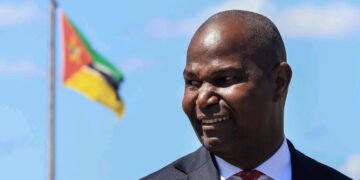
Mozambique is set for national elections on Wednesday, with the ruling Frelimo party expected to maintain its longstanding grip on power, despite a surge in support for independent presidential candidate Venâncio Mondlane, particularly among young voters in a country with a median age of just 17.
Frelimo, which has governed Mozambique since independence from Portugal in 1975, has selected Daniel Chapo, a provincial governor born after independence, as its candidate to succeed outgoing President Filipe Nyusi. Chapo, relatively unknown until his selection in May, is Frelimo’s first post-independence presidential contender.
The traditional opposition party, Renamo, Frelimo’s adversary in a bloody civil war from 1977 to 1992, faces internal divisions. Mondlane, who left Renamo in June after failing to challenge its leader Ossufo Momade, has gained traction with younger voters through his dynamic campaign style and calls to renegotiate contracts in Mozambique’s natural gas and mining sectors.




Though Mondlane has energized voters, analysts like Borges Nhamirre from the Institute for Security Studies caution that Frelimo is unlikely to lose power, citing the party’s dominance in the political landscape and allegations of voter registration manipulation. Frelimo is accused of making it difficult for opponents to campaign and register voters, particularly in opposition strongholds, and of using “ghost voters” to inflate support in its stronghold provinces.

Despite rising discontent, particularly among educated urban youth, experts predict that the 2019 election results, in which Nyusi won 73% of the vote, will likely be replicated. Political analyst Anne Pitcher from the University of Michigan suggests that the election has already been skewed in Frelimo’s favor.
While Mondlane’s candidacy has inspired many young Mozambicans, it has also split the opposition, diminishing the chances of a unified challenge to Frelimo’s decades-long rule.