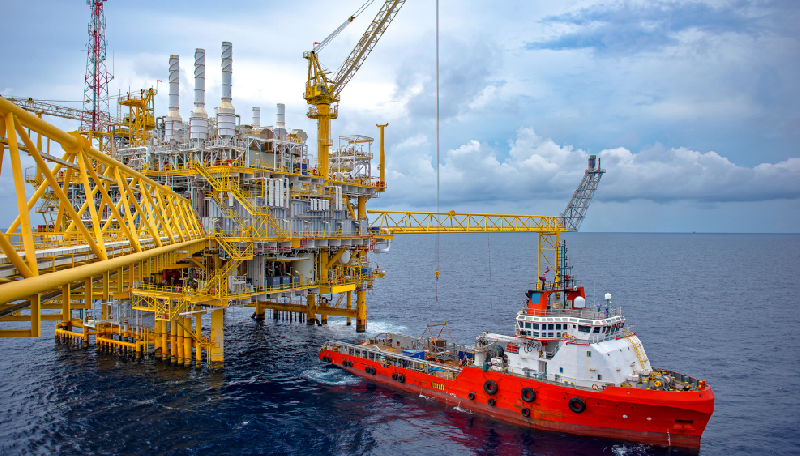



Mozambique is accelerating its push for oil and gas exploration, as articulated by Florival Mucave, Chairman of the Mozambique Energy Chamber, during the Invest in African Energies: Mozambique Roundtable. The event, held in partnership with the African Energy Chamber (AEC) in Maputo, underscored the nation’s commitment to maximizing its hydrocarbon resources to spur industrialisation and economic growth.
Mucave’s address highlighted a strategic imperative: leveraging Mozambique’s vast oil and gas reserves to combat poverty and stimulate economic development. He rejected external narratives discouraging fossil fuel reliance, arguing that Mozambique should not forgo its natural resources while developed nations continue to benefit from them.
“We are confident that oil and gas will deliver significant benefits to our people. While we recognize the challenges posed by climate change and remain committed to addressing them, we cannot afford to sit on these vast resources and continue to struggle economically,” Mucave asserted.
This sentiment was echoed by NJ Ayuk, Executive Chairman of the AEC, who stressed the importance of public-private sector collaboration to foster inclusive economic participation, particularly among youth and women. Ayuk also urged Mozambique to resist global pressure against fossil fuel development, emphasising the need to capitalise on local resources without apology.
“When they tell you oil is bad, yet they continue to benefit from it, we must produce every drop to empower ourselves. Do not apologise for developing this God-given resource. The Chamber will continue to stand by you,” he stated.
Mozambique’s petroleum regulatory body is spearheading initiatives to fast-track the implementation of over $15 billion worth of planned projects. Administrator Milton Macuacua Zibane underscored the urgency of these efforts, noting that successful execution would translate into significant job creation and economic expansion.
Mozambique’s energy ambitions align with the country’s broader economic transformation strategy. The government has long sought to position itself as a major player in the global energy market, particularly given its substantial liquefied natural gas (LNG) reserves. Despite challenges posed by security concerns in the Cabo Delgado region—where major gas projects are located—the administration remains resolute in pushing forward.
The debate surrounding fossil fuel investment in Africa remains contentious. While global climate policies increasingly advocate for a transition away from hydrocarbons, African leaders argue that the continent should prioritise energy security and economic sovereignty. Mozambique, like other resource-rich African nations, faces the dilemma of balancing environmental sustainability with pressing economic needs.
International investors remain cautiously optimistic about Mozambique’s energy prospects. Multinational corporations, including TotalEnergies and ExxonMobil, have significant stakes in the country’s LNG projects. However, sustained investment hinges on government policies that promote regulatory stability, security, and local content development.
As Mozambique advances its oil and gas agenda, policymakers must navigate complex geopolitical and environmental considerations. While the country’s energy sector offers immense potential for economic transformation, the path forward requires a balanced approach that integrates sustainability, investment security, and equitable resource distribution.