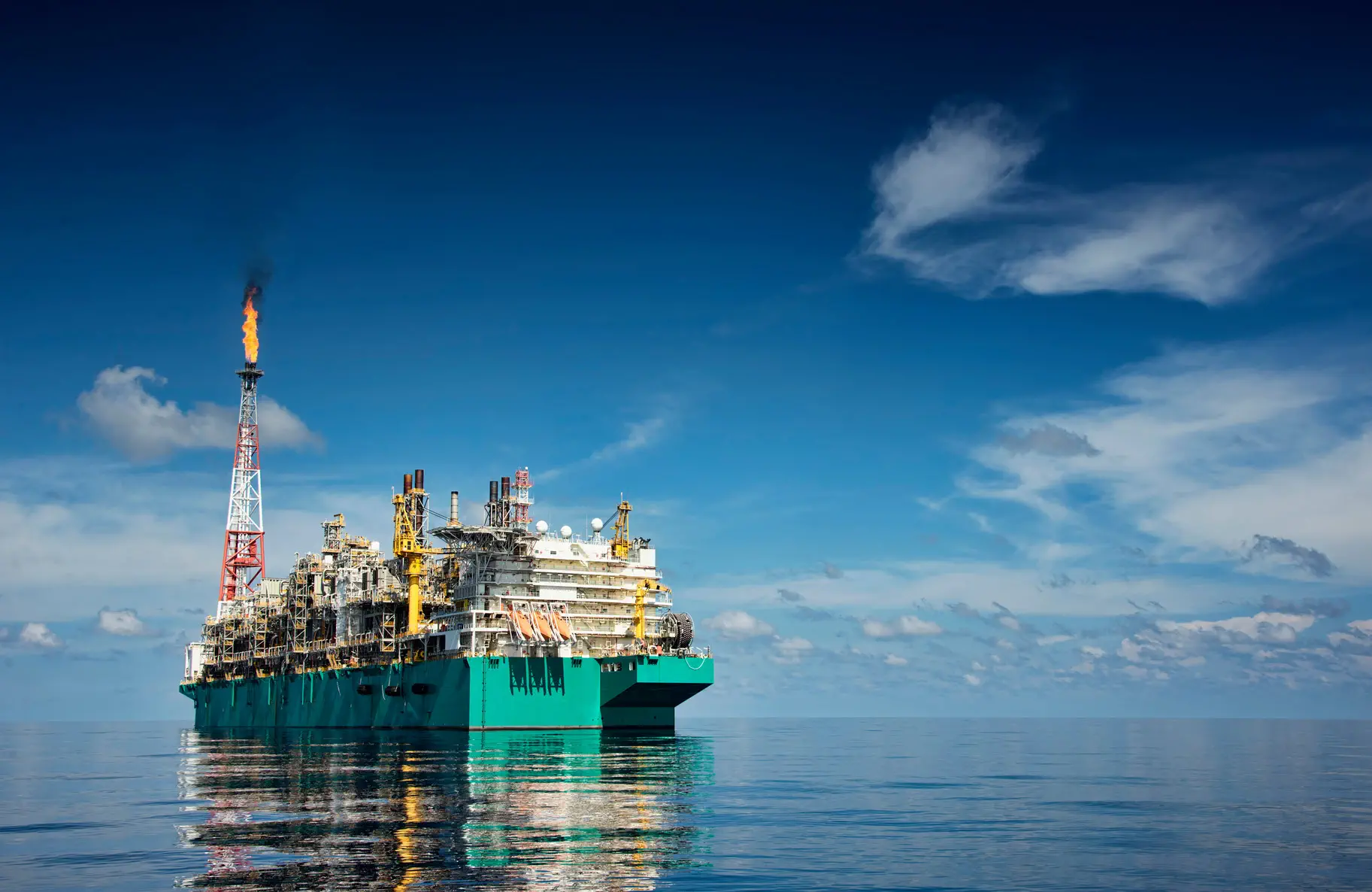
Mozambique is taking a decisive step in consolidating its position as a leading exporter of liquefied natural gas (LNG) following the final investment decision (FID) for the Coral North offshore gas project, valued at $7.2 billion. The initiative, led by Eni and sanctioned through its Area 4 consortium, represents a substantial expansion of the country’s capacity to monetise its abundant natural gas reserves in the Rovuma Basin.
Coral North will serve as a sister project to the operational Coral South Floating LNG (FLNG) facility, which became the first FLNG project deployed in the deep waters of the African continent. Operated by Eni on behalf of Mozambique Rovuma Venture (MRV)—a joint venture including Eni, ExxonMobil, and China National Petroleum Corporation—the new development underscores the consortium’s continued commitment to Mozambique’s energy sector. According to Eni’s official release, Coral North will contribute an additional 3.5 million tonnes per annum (mtpa) of LNG, thereby doubling the existing output from Coral South.
This development is both economically and strategically significant for Mozambique. The country holds approximately 100 trillion cubic feet of natural gas reserves in the offshore Rovuma Basin, positioning it as one of the most promising emerging LNG hubs globally. Coral North is expected to begin production by 2027, thereby enhancing export revenues and creating employment opportunities within the local economy.



In contrast to the TotalEnergies-led Mozambique LNG project and ExxonMobil’s Rovuma LNG—both of which have faced security-related delays—the Coral developments are situated far offshore, well beyond the reach of militant insurgencies affecting Cabo Delgado Province. This geographical advantage has enabled Eni to maintain its project timelines and operational continuity, which is critical for maintaining investor confidence.
The FID announcement also reflects Mozambique’s evolving attractiveness as a stable destination for long-term energy investments. In recent years, the Mozambican government has taken significant steps to streamline regulatory frameworks and improve the investment climate. This includes the reinforcement of local content legislation, aimed at ensuring that a fair share of the benefits of extractive industries accrue to Mozambican citizens and businesses.

Technologically, Coral North will employ a second FLNG vessel, building upon the experience gained from Coral South’s successful deployment. FLNG technology allows the production, liquefaction, storage, and offloading of natural gas at sea, significantly reducing the need for extensive onshore infrastructure and mitigating associated environmental impacts. According to a report by Reuters, construction of the FLNG unit will be undertaken by Samsung Heavy Industries and equipped by Technip Energies, reflecting a continuation of international industrial cooperation.
From a geopolitical standpoint, the expansion of Mozambique’s LNG capabilities has wider implications. As European nations seek alternatives to Russian gas in the wake of geopolitical instability, Mozambique is positioned to emerge as a critical supplier to European and Asian markets. Italy, in particular, is expected to benefit from the Coral North output through Eni’s established infrastructure and shipping routes, thereby enhancing energy security for southern Europe.
The Coral North investment also aligns with Mozambique’s National Development Strategy, which seeks to use natural gas as a lever for broader economic transformation. Revenue generated from gas exports is earmarked for reinvestment into health, education, and infrastructure, according to the Mozambican Ministry of Mineral Resources and Energy. However, experts continue to emphasise the importance of prudent financial governance and transparency to avoid the resource-curse paradigm that has affected other resource-rich nations in Africa.
Despite the optimism, environmental groups and civil society organisations have called for a more robust environmental assessment process, highlighting the need for balance between economic development and climate responsibility. Eni has stated that Coral North will adhere to strict environmental management standards and contribute to Mozambique’s decarbonisation targets by offering cleaner-burning gas as a transition fuel.
As the global energy landscape continues to shift, Mozambique’s Coral North project symbolises the complex interplay between resource exploitation, sustainable development, and geopolitical realignment. The $7.2 billion investment not only affirms international confidence in Mozambique’s energy sector but also highlights the nation’s growing role in reshaping energy flows from Africa to the global market.
With operational delivery projected for 2027, the Coral North project may yet prove to be a cornerstone of Southern Africa’s energy diplomacy and economic resurgence. The focus now turns to the effective implementation of the project and the equitable distribution of its benefits across Mozambique’s socio-economic landscape.