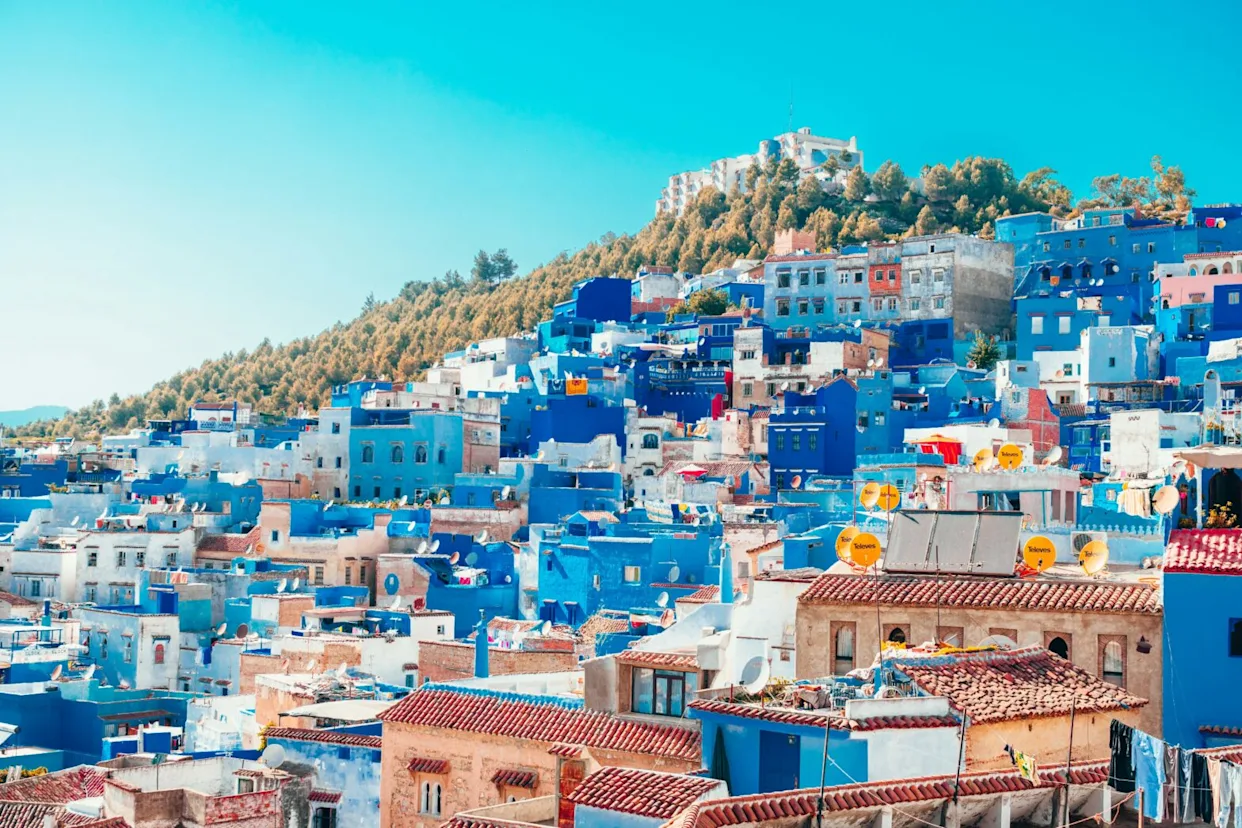
Morocco and Egypt have emerged as Africa’s foremost tourism success stories, setting new records in international arrivals and underscoring the continent’s growing role in global travel. According to data reported by Business Insider Africa and verified through national tourism authorities, Morocco welcomed approximately 19.8 million international visitors in 2025, marking a 14 per cent increase on the previous year. Egypt followed closely with around 19 million arrivals, representing an impressive 21 per cent year-on-year surge.
These figures reflect not only a remarkable post-pandemic recovery but also the increasing competitiveness of African destinations in attracting global travellers. While Morocco has maintained its position as the continent’s most visited destination for a second consecutive year, Egypt’s accelerated growth rate suggests a shifting dynamic within North Africa’s tourism landscape. Both countries’ achievements highlight how investment, connectivity and cultural appeal are reshaping Africa’s image within the global tourism economy.
Morocco’s tourism expansion has been driven by deliberate strategic planning and infrastructural development. The country has prioritised enhancing accessibility, with expanded air routes linking its secondary cities to key European and Gulf markets. Both low-cost and legacy carriers have increased capacity to meet rising demand. Beyond air travel, Morocco’s sustained investment in urban revitalisation, coastal resorts and desert experiences has positioned tourism as a central pillar of national economic growth. The hosting of major continental events such as the Africa Cup of Nations amplified visibility, yet the country’s strategy extends far beyond event-led tourism. These efforts are part of a broader agenda to solidify Morocco’s reputation as a diverse and sustainable tourism hub in advance of major global gatherings planned for later this decade.



Egypt’s performance tells a complementary story of recovery and resilience. After several years of volatility driven by currency fluctuations, regional security concerns and the indirect effects of the Gaza conflict on traveller confidence, the country’s 2025 rebound represents renewed global trust in its tourism offer. Improved air connectivity, the unveiling of significant cultural attractions including museum expansions and archaeological discoveries, and the enduring appeal of Red Sea resorts have all contributed to its resurgence. Egypt’s unique blend of cultural heritage and leisure experiences continues to attract visitors seeking both historical immersion and relaxation.
Analysts caution, however, that direct comparisons between the two nations should account for methodological differences. According to the UN World Tourism Organization, variations in how countries count short-stay and cruise passengers may affect the accuracy of rankings. Egypt’s staggered release of post-pandemic tourism data in 2024 further complicates precise year-on-year comparisons. Nonetheless, the overarching narrative remains consistent: Africa’s tourism industry is advancing robustly, driven by strategic investments, renewed traveller confidence and an expanding network of regional cooperation.

The achievements of Morocco and Egypt also point to a broader continental transformation. Across Africa, governments are increasingly viewing tourism not merely as an economic engine but as a vehicle for cultural exchange, sustainability and inclusive growth. As global travellers seek authentic and responsible experiences, African destinations are repositioning themselves to tell their own stories, free from narrow or externally framed narratives.
Both Morocco and Egypt’s performances in 2025 signify a recalibration of Africa’s place within the global tourism system, one that foregrounds agency, innovation and a distinctly African approach to development and hospitality. Their record-breaking numbers reinforce a shared momentum that extends far beyond North Africa and signals a new era in which African destinations are defining their futures on their own terms.