
Wednesday, April 15, 2026
  • Login
The Southern African Times
  • Home
  • Southern Africa
  • Business
    • African Start ups
    • African Continental Free Trade Area
  • Technology
    • Lifestyle
      • Health
      • Culture
      • Food and Drink
      • Entertainment
  • Opinion
  • Sports
  • SAT Jobs
    • Events
  • About Us
    • Advertise with Us
    • Contact Us
No Result
View All Result
  • Home
  • Southern Africa
  • Business
    • African Start ups
    • African Continental Free Trade Area
  • Technology
    • Lifestyle
      • Health
      • Culture
      • Food and Drink
      • Entertainment
  • Opinion
  • Sports
  • SAT Jobs
    • Events
  • About Us
    • Advertise with Us
    • Contact Us
No Result
View All Result
The Southern African Times
No Result
View All Result
Home Energy

Middle East Conflict Risks Slowing Africa’s Growth

by SAT Reporter
April 4, 2026
in Energy
0
Middle East Conflict Risks Slowing Africa’s Growth

Africa’s economic outlook in 2026 is increasingly tied to developments beyond its borders, with new multilateral analysis indicating that a prolonged Middle East conflict could exert measurable pressure on growth, trade, and food systems across the continent. A joint report presented at the United Nations Economic Commission for Africa meeting in Tangier by the African Union, the African Development Bank, and the United Nations Economic Commission for Africa suggests that African economies could lose approximately 0.2 percentage points of projected GDP growth should the conflict extend beyond six months.

According to the findings presented in Tangier and reported by Reuters, the risks are not confined to macroeconomic indicators. The report outlines how disruptions to shipping corridors, energy flows, and fertiliser supply chains may transmit external shocks into domestic economies in ways that directly affect livelihoods. These dynamics are especially significant given Africa’s trade exposure to the Middle East, which accounts for roughly 15.8 percent of imports and 10.9 percent of exports.

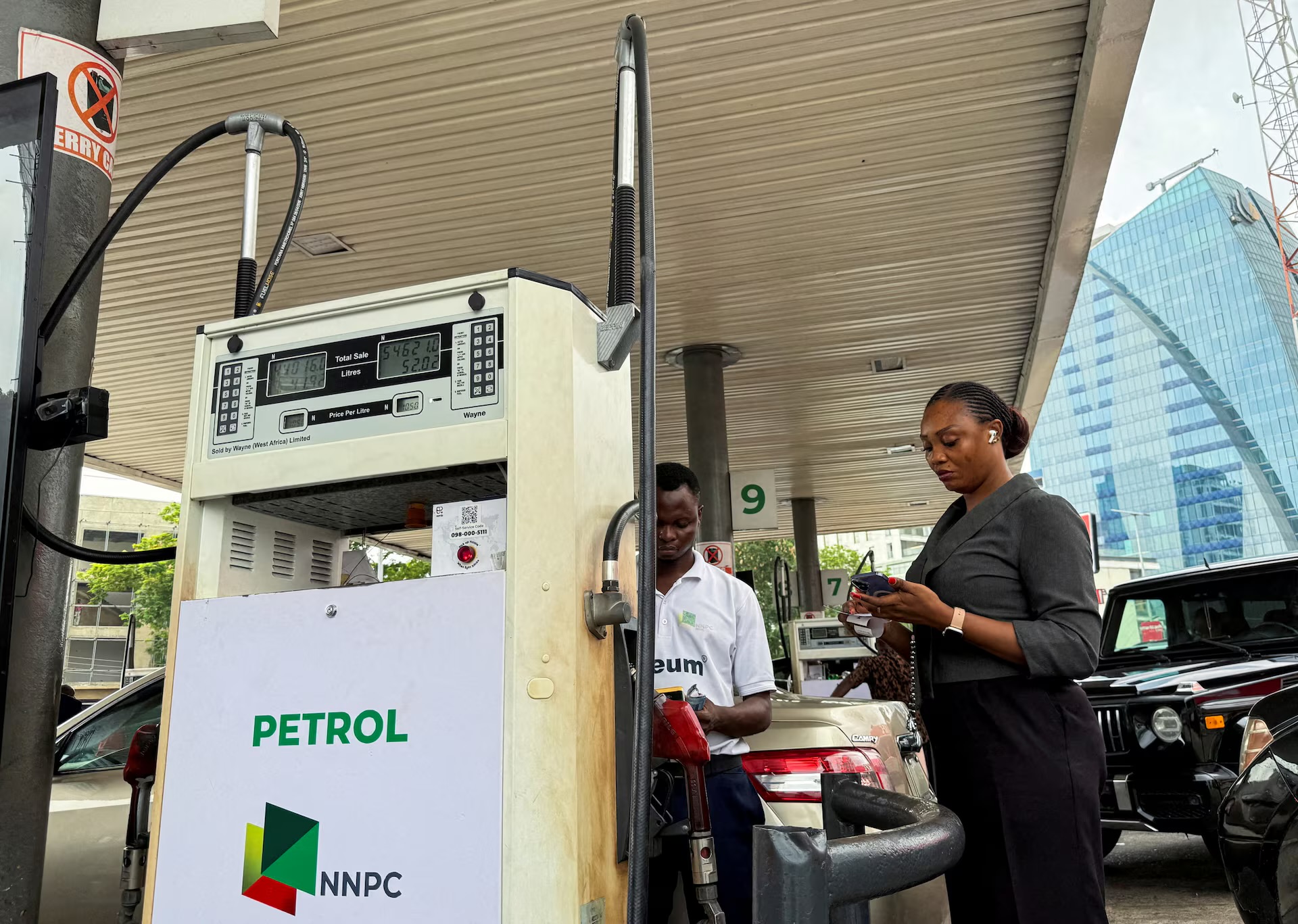
Energy markets are identified as a key transmission channel. Disruptions to liquefied natural gas supplies from Gulf producers could constrain the production of ammonia and urea, both essential inputs for fertiliser. The timing of such disruptions is critical, particularly during the March to May planting season across many African regions. Reduced fertiliser availability or higher input costs may affect agricultural productivity, with implications for food prices and household welfare. While the report does not quantify inflationary outcomes, it indicates that the interaction between energy costs and food systems could contribute to a broader cost of living strain.


ADVERTISEMENT

The report further notes that the effects of the conflict are unlikely to be uniform. Hydrocarbon exporters such as Nigeria, alongside emerging liquefied natural gas producers like Mozambique, may experience revenue gains in the context of elevated global prices. At the same time, net energy importers and fertiliser dependent agricultural economies may face intensified fiscal and food security pressures. This divergence highlights the importance of regional heterogeneity in assessing Africa’s economic trajectory, rather than adopting a singular continental narrative.

Shifts in trade logistics are already observable. Increased maritime rerouting has placed additional pressure on ports such as Maputo, Durban, Walvis Bay, and facilities in Mauritius. In East Africa, Kenya is consolidating its role as a logistics hub through the Lamu Port corridor and Nairobi’s connectivity, while Ethiopia’s national carrier is strengthening its position as an intercontinental air bridge linking Asia, Africa, and Europe. These developments suggest adaptive capacity within African systems, even as external disruptions persist.

Beyond economic channels, the report situates the conflict within a broader geopolitical context. It anticipates that an escalation could intensify external competition for strategic influence across African regions, involving actors including the United States, Gulf states, China, Russia, Iran, and Turkey. Such dynamics may carry implications for humanitarian operations, particularly in contexts such as Sudan and the Horn of Africa, where logistical costs are already elevated.

Policy responses outlined in the report emphasise domestic agency. Governments are encouraged to strengthen revenue mobilisation, coordinate fuel procurement strategies, and establish emergency food corridors to mitigate supply disruptions. The report also highlights the importance of saving windfall revenues in resource exporting economies and deploying targeted social protection measures to cushion vulnerable populations.

Claver Gatete, Executive Secretary of the United Nations Economic Commission for Africa, noted that it remains too early to determine the full scale of the conflict’s economic consequences or to identify definitively which sectors will bear the greatest burden. This uncertainty underscores the need for ongoing monitoring and context specific policy responses that reflect Africa’s diverse economic structures and development pathways.

The analysis reflects a broader reality in which African economies are both exposed to and actively navigating global interdependencies. While external shocks present tangible risks, the continent’s evolving trade networks, regional integration efforts, and policy innovations continue to shape a more complex and adaptive economic landscape.

Tags: Africa economyAfrican Development BankAfrican Unionenergy markets Africafertiliser supply Africafood security AfricaGDP growth AfricaMiddle East conflicttrade disruption AfricaUnited Nations Economic Commission for Africa
Previous Post

Morocco Records Steady Tourism Growth in Early 2026

Next Post

Kagame’s Wake Up Call: The End of Leadership Without Consequence?

SAT Reporter

Related Posts

Tanzania Faces Fuel Price Surge Amid Global Oil Strains
Energy

Tanzania Faces Fuel Price Surge Amid Global Oil Strains

by SAT Reporter
April 8, 2026
Exxaro and Eskom Secure Long Term Matla Coal Supply Agreement Through 2043
Energy

Exxaro and Eskom Secure Long Term Matla Coal Supply Agreement Through 2043

by SAT Reporter
April 3, 2026
Africa’s Energy Producers Gain Strategic Ground Amid Middle East Supply Disruptions
Economy

Africa’s Energy Producers Gain Strategic Ground Amid Middle East Supply Disruptions

by SAT Reporter
April 1, 2026
Why Africa’s Energy Expansion Has Become an Urgent Development Imperative
Energy

Why Africa’s Energy Expansion Has Become an Urgent Development Imperative

by Ruvimbo Gore
March 31, 2026
African Oil Ministers Snub London Summit Over Local Content Concerns
Energy

African Oil Ministers Snub London Summit Over Local Content Concerns

by SAT Reporter
March 30, 2026
Next Post
Kagame’s Wake Up Call: The End of Leadership Without Consequence?

Kagame’s Wake Up Call: The End of Leadership Without Consequence?

Browse by Category

  • Africa AI
  • African Continental Free Trade Area
  • African Debt
  • African Start ups
  • Agriculture
  • AI Africa
  • Algeria
  • All News
  • Analysis
  • Angola
  • Arts / Culture
  • Asia
  • Botswana
  • BOTSWANA
  • BREAKING NEWS
  • BRICS
  • Burkina Faso
  • Burundi
  • Business
  • Business
  • Business Wire
  • Cameroon
  • Central Africa
  • Chad
  • China
  • Climate Change
  • Climate Changev
  • Community
  • Congo Republic
  • Conservation
  • Côte d’Ivoire
  • COVID 19
  • CRYPTOCURRENCY
  • Culture
  • Democratic Republic of Congo
  • Diplomacy
  • Eastern Africa
  • Economic Development
  • Economy
  • Education
  • Egypt
  • Elections 2024
  • Energy
  • Entertainment
  • Environment
  • Eritrea
  • Ethiopia
  • Europe
  • Fashion
  • Feature
  • Finance
  • Financial Inclusion
  • Food
  • Food and Drink
  • Foods
  • GABON
  • Ghana
  • Global
  • Global Africa
  • Guinea
  • Health
  • Immigration
  • in Southern Africa
  • International news
  • International Relations
  • Ivory Coast
  • Just In
  • Kenya
  • Lesotho
  • Libya
  • Life Style
  • Lifestyle
  • Literature
  • Malawi
  • Malawi
  • Mali
  • Markets
  • Mauritius
  • Middle East
  • Mining in Africa
  • Morocco
  • Mozambique
  • Namibia
  • niger
  • Niger
  • Nigeria
  • North Africa
  • North-Eastern Africa
  • Obituaries
  • Obituary
  • Opinion
  • PARTNER CONTENT
  • Politics
  • Property
  • Racism
  • Rwanda
  • Rwanda
  • SADC
  • SAT Interviews
  • SAT Investigation
  • SAT Jobs
  • Saudi Arabia
  • Senegal
  • Seychelles
  • South Africa
  • South Sudan
  • Sports
  • Startup Africa
  • STOCK EXCHANGE
  • Sudan
  • Sustainability
  • Sustainablity
  • Tanzania
  • Technology
  • Telecommunications
  • The Editorial Board
  • The Power Of She
  • Togo
  • Trade
  • Travel
  • Travel
  • Tunisia
  • Uganda
  • Uncategorized
  • Wealth
  • West Africa
  • World
  • World
  • ZAMBIA
  • Zambia
  • ZIMBABWE
  • Zimbabwe

Browse by Tags

#NewsUpdate #SouthAfrica #SouthernAfricanTimes #TheSouthernAfricanTimes AfCFTA africa African Continental Free Trade Area African development African Development Bank African economies African economy African Union Agriculture Angola Botswana Business China Climate change Cyril Ramaphosa Economic Development economic growth energy transition fiscal policy food security industrialisation Inflation Infrastructure Development International relations Investment Kenya Mozambique Namibia news Nigeria Regional Integration renewable energy Rwanda SADC South Africa Southern Africa sustainable development Tanzania United States Zambia Zimbabwe
ADVERTISEMENT

WHO WE ARE

The Southern African Times is a regional bloc digital newspaper that covers Southern African and world news. The paper also gives a nuanced analysis on news and covers a wide range of reporting which include sports, entertainment, foreign affairs, arts and culture.

Welcome Back!

Login to your account below

Forgotten Password?

Retrieve your password

Please enter your username or email address to reset your password.

Log In

  • Home
  • Southern Africa
  • Business
    • African Start ups
    • African Continental Free Trade Area
  • Technology
    • Lifestyle
      • Health
      • Culture
      • Food and Drink
      • Entertainment
  • Opinion
  • Sports
  • SAT Jobs
    • Events
  • About Us
    • Advertise with Us
    • Contact Us
Are you sure want to unlock this post?
Unlock left : 0
Are you sure want to cancel subscription?