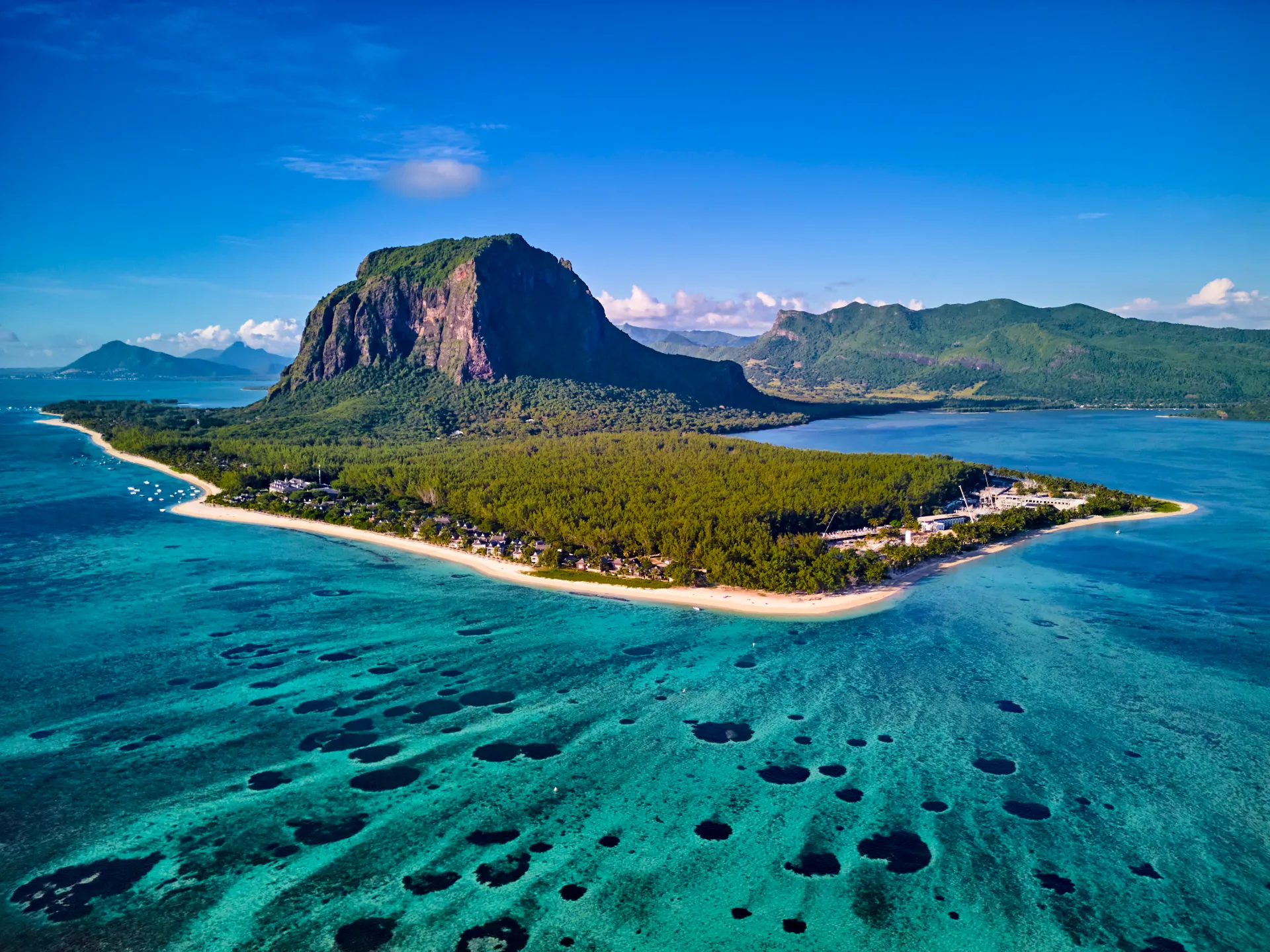
Mauritius, the small island nation in the Indian Ocean, has been named Africa’s safest country in the 2024 Global Peace Index — a recognition that extends far beyond tourism statistics. It represents a deeper narrative of governance, resilience, and Africa’s evolving global identity. While safety rankings often attract headlines, the story of Mauritius provides a meaningful opportunity to rethink how stability and progress are understood across the continent.
Ranked 23rd globally in the latest report by the Institute for Economics and Peace, Mauritius stands as the only African nation within the world’s top 25 most peaceful countries. Its consistent presence at the top of continental safety indices, including Numbeo’s Safety Index and the World Economic Forum’s Travel and Tourism Competitiveness Report, highlights a model of steady political institutions, social cohesion, and environmental responsibility.
Unlike many destinations where peace is measured through absence of conflict, in Mauritius, it is cultivated as part of a lived national ethos. The nation’s commitment to rule of law, transparent governance, and an inclusive democracy has shaped an environment where citizens and visitors alike experience an enduring sense of order. Low levels of violent crime, effective community policing, and a strong judicial framework all contribute to a social fabric rooted in trust rather than fear.



Mauritius’s strength lies also in its pluralism. Home to a multicultural society of African, Indian, Chinese, and European heritage, the country has crafted a model of coexistence that goes beyond tolerance towards genuine integration. This social equilibrium underpins both political stability and cultural vitality, enabling the nation to navigate global challenges with remarkable resilience. Its education system promotes multilingualism and civic participation, reinforcing shared identity in diversity — a lesson increasingly relevant for other nations in a globalised era.
The government’s focus on sustainable tourism has further bolstered the island’s reputation as both a peaceful and progressive destination. In partnership with the United Nations World Tourism Organization (UNWTO), Mauritius has invested in eco-friendly resorts, coral reef restoration projects, and community-based tourism that benefits local populations. This approach ensures that growth does not come at the expense of ecological or cultural integrity. As a result, the country attracts not only leisure travellers but also researchers, environmentalists, and entrepreneurs exploring responsible investment opportunities.

Yet, to highlight Mauritius as Africa’s safest country should not be interpreted as exceptionalism. It is part of a wider continental narrative that challenges outdated stereotypes about Africa’s instability. Countries such as Botswana, Namibia, Ghana, and Seychelles also feature prominently in peace and safety indices. Their achievements illustrate the diversity of African governance models and the steady progress being made towards stability and prosperity across the continent.
This broader African context is often overshadowed by Western narratives that frame safety within a limited lens of economic capacity or foreign influence. In reality, many African nations have developed indigenous approaches to peacebuilding that blend modern governance with traditional systems of mediation and community solidarity. Rwanda’s Gacaca courts, for instance, have offered locally rooted mechanisms for reconciliation, while Senegal’s religious brotherhoods continue to play a stabilising role in public life. These examples reveal that African security and stability cannot be measured solely by imported metrics but must be understood within their cultural and historical frameworks.
Mauritius’s recognition therefore becomes a reflection of Africa’s collective potential rather than a solitary success story. It reminds observers that the continent’s narrative is one of multiplicity — one that includes innovation, resilience, and homegrown solutions to global challenges. For policymakers and international partners, the Mauritian experience offers a case study in how inclusive development and good governance foster lasting peace.

For travellers, this evolving reality reshapes how Africa is imagined. The continent is not merely a destination of natural beauty but a mosaic of societies defining their futures on their own terms. From the dunes of Namibia to the rainforests of Ghana, Africa’s emerging story is one of creativity, cooperation, and confidence — an invitation to engage with a continent in motion, not frozen in its past.
As Africa continues to redefine its position on the global stage, Mauritius stands as both a beacon and a reminder. Peace, safety, and progress are not imported commodities but cultivated legacies, shaped by people who believe in the shared promise of their nation and continent.