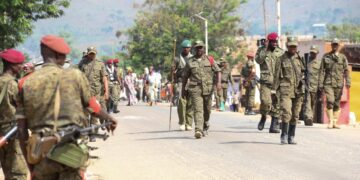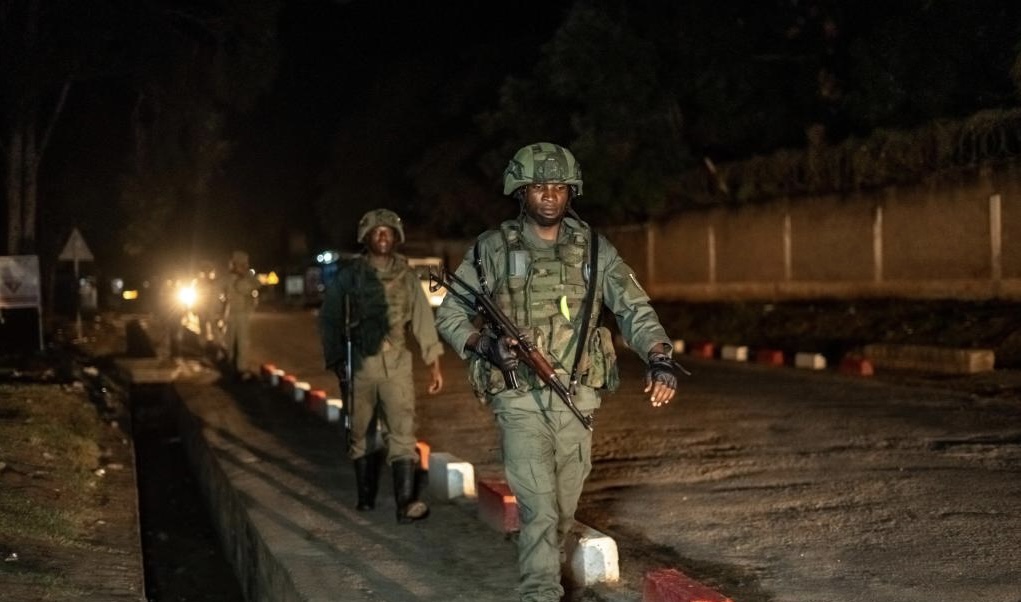
Fighters from the March 23 Movement (M23) began withdrawing from their positions in the strategic eastern Congolese city of Uvira on Wednesday, marking a significant development in the ongoing conflict in the Democratic Republic of the Congo (DRC). Local journalists and observers from The Southern African Times confirmed that armed convoys and vehicles belonging to the rebel group were seen leaving key positions across the city throughout the day.
Bertrand Bisimwa, the political leader of M23, announced that the movement of forces from Uvira was proceeding as planned and was expected to conclude within twenty-four hours. In a statement shared via social media, he appealed to residents to remain calm, assuring them that the process was being conducted in an orderly manner.
Lawrence Kanyuka, spokesperson for M23, confirmed the withdrawal without elaborating on the logistical or military details. The move follows the group’s declaration on 10 December that it had seized Uvira, a city of both economic and symbolic importance in South Kivu province. Situated along the Burundian border and the shores of Lake Tanganyika, Uvira had functioned as the temporary administrative centre for South Kivu since Bukavu fell under M23 control earlier in the year.



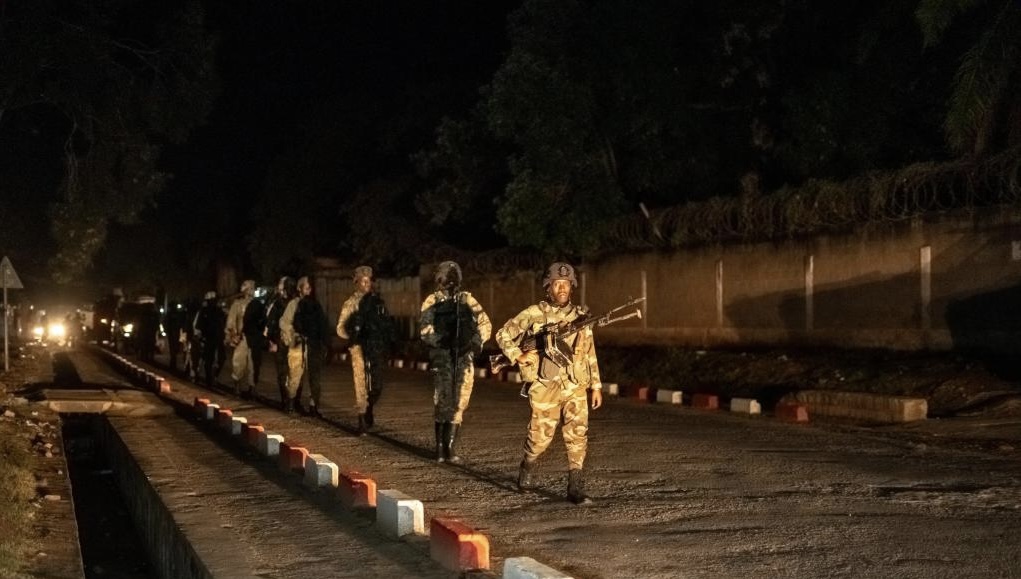
According to Corneille Nangaa, leader of the Alliance Fleuve Congo (AFC), a politico-military coalition allied with M23, the withdrawal is “conditional” and dependent on the provision of credible security guarantees. These include the deployment of a neutral force to ensure stability and prevent reprisals against civilians. Nangaa emphasised that the decision to retreat had been influenced by recent diplomatic progress in the Doha peace process, including the signing of the Doha Framework Agreement in November, which seeks to create pathways toward an inclusive political resolution in the DRC.
The United States has played a mediating role in encouraging the group to stand down from its positions in Uvira, reflecting renewed international interest in stabilising eastern Congo. However, analysts and local actors caution that the situation remains volatile. The loss of Uvira could open a corridor southwards toward Haut-Katanga, one of the DRC’s key economic regions. Fighting has continued in Baraka and Fizi territories, where humanitarian agencies report new displacements and a worsening security environment.
Regional experts highlight that this latest episode reflects the broader struggle for political legitimacy and territorial control that has shaped the DRC’s eastern conflicts for more than two decades. The resurgence of M23 in 2022 reanimated long-standing grievances tied to governance, regional alliances and the distribution of national resources. Analysts from African Centre for the Constructive Resolution of Disputes (ACCORD) argue that any lasting peace will require addressing the structural inequalities and regional interests that perpetuate cycles of violence in the Great Lakes region.

While the withdrawal from Uvira offers a tentative sign of de-escalation, questions remain about the sustainability of such gestures in the absence of deeper political transformation. Local civil society leaders have called for greater regional accountability and for peacebuilding efforts that prioritise the safety and dignity of affected communities.
This unfolding situation continues to underscore the resilience and agency of local populations who have endured decades of instability. As the DRC navigates this critical juncture, the success of diplomatic efforts will depend on the extent to which they are grounded in African-led frameworks and respect the sovereignty and aspirations of its people.