

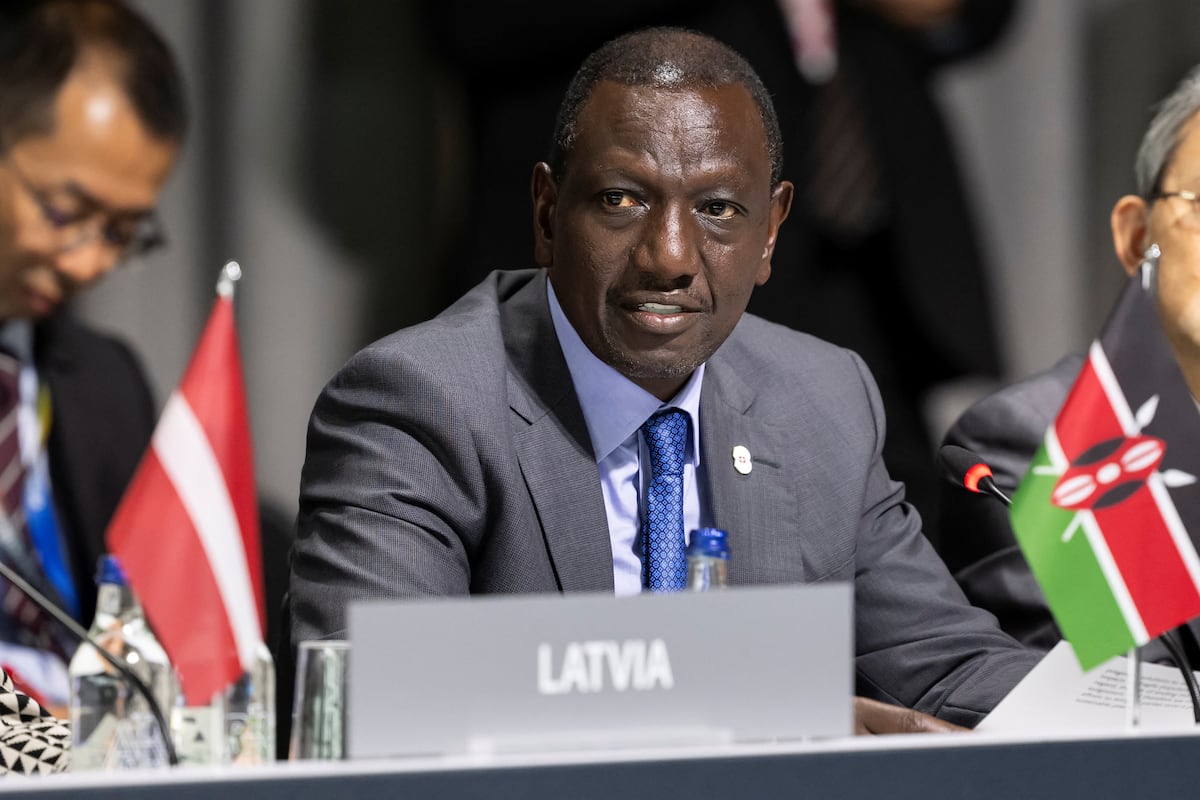
Kenyan President William Ruto recently engaged in a telephone conversation with Kristalina Georgieva, the Managing Director of the International Monetary Fund (IMF), following his decision to withdraw $2.7 billion in proposed tax increases. This move came in response to a wave of deadly protests, according to two diplomatic sources who spoke to Reuters on condition of anonymity.
The controversial finance bill, which contained the tax hikes, was a cornerstone of policy reforms that Kenya had agreed upon with the IMF. These reforms were part of a broader lending programme worth $3.6 billion. Analysts are now suggesting that the bill’s withdrawal is likely to impede Kenya’s ability to meet crucial programme targets set by the IMF.
The IMF has been a focal point of criticism among young Kenyan protesters, who have accused the institution of being the principal force behind the proposed tax increases. Despite the intensity of the protests, which have claimed the lives of at least 39 people according to a government-funded human rights organisation, President Ruto has committed to implementing austerity measures in a supplemental budget. He has also indicated that significant borrowing will be necessary in the 2024/25 fiscal year.




Details of the conversation between Ruto and Georgieva were not disclosed by the sources. However, they did indicate a consensus among major donors that the IMF would need to demonstrate flexibility regarding programme targets, given the gap created by the withdrawal of the finance bill.
In early June, the IMF reached a staff-level agreement with Kenya on a policy package required to complete the seventh review of the lending programme. This agreement was expected to unlock a disbursement of several hundred million dollars but has yet to receive approval from the IMF’s Executive Board.
An IMF spokesperson, when questioned about the call, stated: “We remain deeply concerned by the recent tragic events in Kenya and maintain close ongoing and constructive dialogue with the Kenyan authorities.” The spokesperson reaffirmed the IMF’s primary objective of assisting Kenya in overcoming its economic challenges and enhancing the well-being of its citizens.
Ruto’s office did not respond to requests for comment regarding the phone call.
Although the intensity of anti-government demonstrations has diminished since Ruto shelved the bill, protests continue. The IMF, facing growing public hostility, must now navigate the delicate balance of supporting Kenya’s economic stability while addressing the legitimate grievances of its populace.


