Kenya has formally ended over two decades of protectionist measures for its sugar industry, marking a transition toward open regional trade under the Common Market for Eastern and Southern Africa (COMESA). The Kenya Sugar Board (KSB) confirmed that the country has now exited the COMESA Sugar Safeguard regime, which had been in effect for 24 years. The decision is being framed as part of Kenya’s gradual shift towards a competitive and integrated regional market economy.
The new policy permits duty-free sugar imports from COMESA member states without quantitative restrictions. Officials describe this as a move to align Kenya’s trade policies with regional commitments, while simultaneously encouraging domestic efficiency and sustainable sectoral growth. The KSB has stated that government policy will continue to support farmer livelihoods, maintain miller viability, and promote food security and price stability within the framework of liberalised trade.
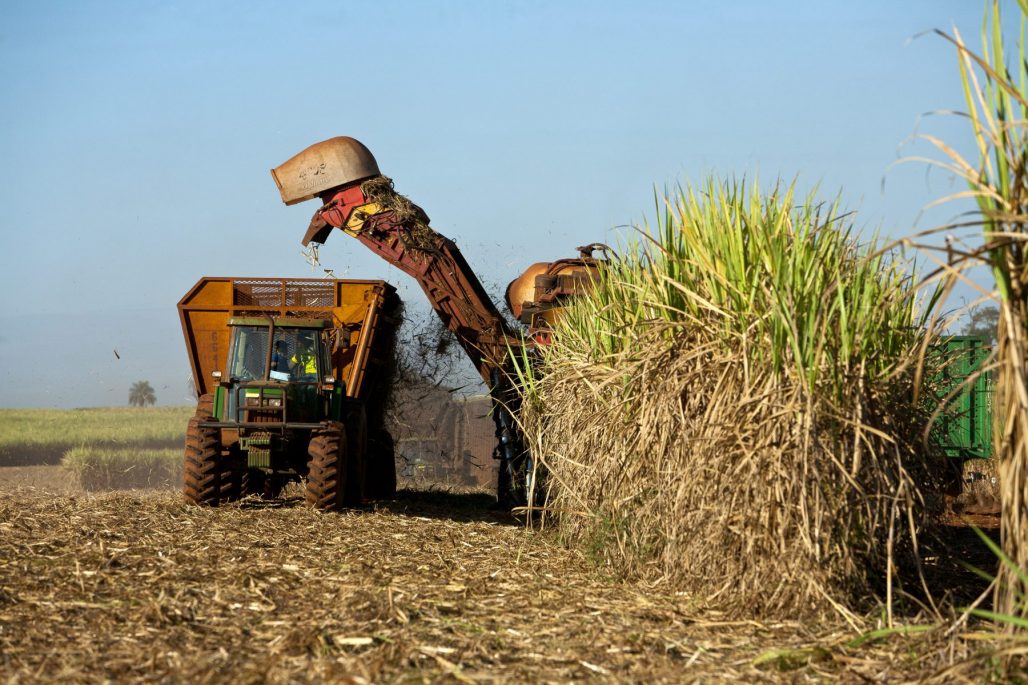
According to the KSB, the local sugar sector has recorded notable recovery in recent years. Sugarcane acreage increased by 19.4 percent to approximately 289,631 hectares, supported by favourable weather, access to certified seed varieties, and targeted fertiliser subsidies. National sugar production rose by more than 70 percent between 2022 and 2025, reaching around 815,454 metric tonnes. These improvements have been attributed to both better agricultural practices and factory rehabilitation efforts.



Kenya’s annual sugar demand currently stands at about 1.1 million metric tonnes, leaving a supply shortfall that regional imports are expected to address. The KSB has indicated that capacity expansion and efficiency optimisation in domestic mills remain ongoing priorities. The sector directly employs approximately 250,000 people and indirectly sustains nearly six million livelihoods through related activities, making it a critical component of Kenya’s rural economy.

While the removal of safeguards opens Kenya’s market to greater competition, the policy is also expected to enhance integration within the COMESA region. The shift is consistent with regional objectives aimed at promoting intra-African trade and reducing dependency on external markets. Analysts suggest that increased market openness may drive efficiency but also caution that domestic producers will require continued policy support to remain competitive during the adjustment period.
The sugar industry remains vulnerable to climate variability and global price fluctuations, underscoring the importance of diversification, technological investment, and adaptive management strategies. The KSB has projected a positive medium-term outlook, suggesting that with ongoing reforms, Kenya could meet domestic sugar needs and possibly generate a surplus for regional export in the coming years.
Observers note that Kenya’s exit from the safeguard regime reflects a broader continental movement toward harmonised trade relations and shared economic growth. Within this context, the decision highlights the evolving balance between national interests and regional commitments as African states navigate economic integration under frameworks such as the African Continental Free Trade Area (AfCFTA).
Kenya’s new trade posture does not signal a withdrawal of state involvement but rather a reconfiguration of policy instruments intended to promote competitiveness while retaining a focus on inclusivity and sustainability. The development underscores Africa’s broader ambition to cultivate internal trade linkages and foster an economic environment defined by cooperation rather than competition alone.