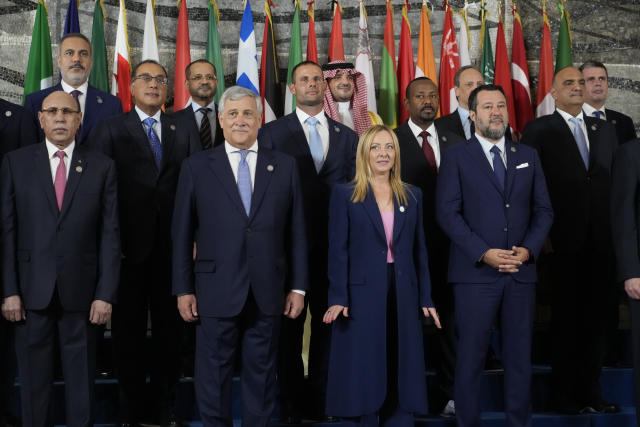
Italian Premier Giorgia Meloni recently spearheaded a one-day summit with representatives from about 20 nations, EU officials, and international organizations, aiming to address the ongoing challenge of illegal migration. While the summit aimed to foster more equal relationships between Europe and migrants’ countries of origin and transit, critics are voicing concerns that the conference may result in anti-migrant policies and place undue burden on African nations.*
The migration issue has long been a pressing concern for Italy, with hundreds of new arrivals reported daily at the country’s southern border, putting immense strain on resources and infrastructure. Premier Meloni’s initiative sought to position Italy as a leader in resolving Mediterranean nations’ challenges, focusing not only on migration but also on energy issues as Europe explores alternatives to Russian supplies by looking towards Africa and the Middle East.
During the summit’s opening meeting, Giorgia Meloni acknowledged that Western arrogance may have hindered finding effective solutions to the migrant crisis. She laid out four main areas for future cooperation: combating criminal organizations involved in migrant trafficking, better management of migrant flows, support for refugees, and assistance to countries of origin.



“The West has often been perceived as giving lectures rather than extending a helping hand,” stated Meloni. “This diffidence has hindered progress on finding sustainable solutions.”
One of the key points of contention is the lack of legal means of entry for many people who might qualify for refugee status, as quotas tend to be filled by those who arrive illegally. Meloni emphasized the need for better flow management, which would, in turn, create more room for legal migration.
Critics, however, argue that the conference’s approach may place undue responsibility on African nations to curb migration, potentially leading to policies that restrict migrants’ rights and force them to stay in their home countries under unfavorable conditions.
Human rights groups express concerns over the implications of the summit’s outcomes, particularly for African migrants who often endure harrowing journeys, facing abuse and violence, in their quest for a better life in Europe. They stress the need for more humanitarian approaches that prioritize protecting migrants’ rights and ensuring their safety.
In her closing press conference, Premier Meloni praised the participants’ reception of the conference’s concrete and goal-oriented approach. She highlighted that the United Arab Emirates pledged substantial financial support of 100 million euros to improve conditions in impoverished countries, potentially addressing some root causes of migration.

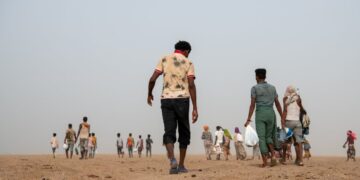
Amidst the summit, troubling reports emerged of migrants being pushed back from Tunisia into Libya, leaving them stranded in the harsh desert conditions. Pope Francis also raised his voice, calling on European and African leaders to find a humane solution for those blocked at North African borders.
Critics argue that rather than focusing solely on sealing borders and deterring migration, the summit should prioritize addressing the root causes of migration, such as poverty, conflict, and lack of opportunities in migrants’ home countries. They advocate for a more comprehensive and collaborative approach that includes investing in sustainable development and improving living conditions in Africa, fostering a sense of solidarity and cooperation between nations.
It remains to be seen whether the summit’s outcomes will strike a balance between effectively managing migration and upholding the rights and dignity of African migrants seeking refuge and better lives in Europe. As the global migration crisis persists, advocates urge leaders to consider more inclusive and compassionate policies that address the complex challenges faced by all parties involved. Only through collective efforts can lasting solutions be achieved, ensuring that the Mediterranean is no longer a tragic stage of desperation and suffering for those seeking a brighter future.