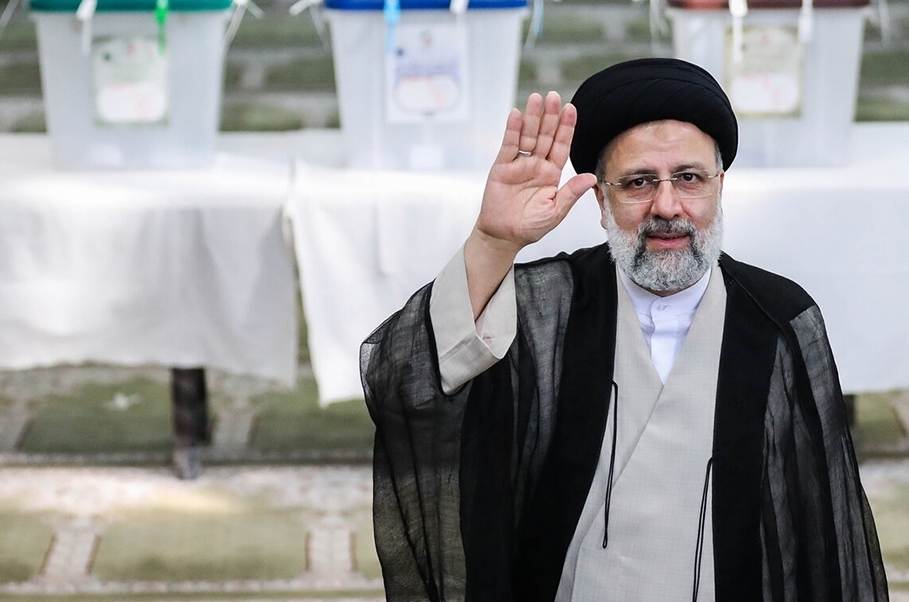
Iranian President Ebrahim Raisi’s upcoming visit to Africa, starting with Kenya on Wednesday, is expected to bolster economic and political relations between Iran and several African nations. The tour, aimed at diversifying Iran’s global relationships following the US withdrawal from the nuclear deal in 2018, underscores the potential of African markets and signifies a new turning point in Iran’s foreign policy.
Kenya’s foreign ministry confirmed the delay of the visit, citing the need to finalize key memoranda of understanding. During his time in Kenya, President Raisi is scheduled to hold a bilateral meeting with President Ruto, emphasizing the significance of the visit for both countries.
Iran’s focus on strengthening ties with Kenya, Uganda, and Zimbabwe reflects the growing recognition of the African market’s volume and potential. As the first African trip by an Iranian leader in 11 years, the visit holds promising opportunities for cooperation. While economic agreements are expected to be signed, the enduring challenge of US sanctions poses a significant obstacle to the full realization of the benefits of such partnerships.




According to Middle East senior expert Kamiar Babak, the success of these agreements will depend on their long-term effectiveness for both nations, considering the persistence of Western sanctions on Iran and unresolved issues with the Financial Action Task Force (FATF). Babak notes that the core problem lies in the strained relationship between Iran and the Western powers, particularly the United States.
In addition to the sanctions, Iran’s support for Russia during the Ukrainian war has strained its ties with potential European partners. The resultant economic and currency downturn has motivated Iran to explore alternative avenues, such as the current African tour, as a means to revive its economy.
The Iranian delegation comprises not only government officials, including the Foreign Minister, but also senior businesspeople, underscoring the importance of economic cooperation in Iran’s diplomatic efforts.
The African tour is seen as a positive step forward by Iran, marking a new chapter in its regional engagement. In March, Iran agreed to restore ties with Saudi Arabia under a China-mediated deal, further illustrating its commitment to diplomacy and regional stability. President Raisi’s recent visits to Indonesia and Latin American countries, including Venezuela, demonstrate Iran’s proactive approach in expanding its diplomatic outreach.
Despite the challenges posed by ongoing Western sanctions and international tensions, the African tour represents a valuable opportunity for Iran and African nations to strengthen economic and political ties. By leveraging the potential of African markets, Iran aims to diversify its relationships and establish mutually beneficial partnerships that can contribute to both regional and global development.