The recent situation update by the International Organization for Migration (IOM) has highlighted the dire circumstances facing the Horn of Africa, where a combination of persistent drought and heavy rainfall has unleashed severe flash floods, exacerbating the already fragile conditions in the region. The UN migration agency warns that the floodwaters have increased the risk of water-borne diseases, including cholera, among a population already weakened by high rates of malnutrition.
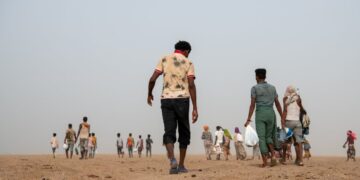
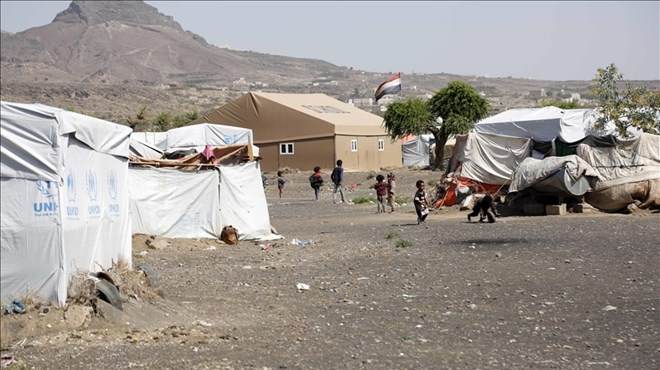
The IOM’s report underscores the challenges faced by the Horn of Africa, which has endured five consecutive failed rainy seasons, resulting in mass displacement, widespread livestock deaths, and a devastating food and water crisis. These hardships were further compounded in April when the region experienced a mix of continued drought and heavy rains, leading to destructive flash floods in certain areas.
According to data from the IOM, Ethiopia witnessed an alarming surge in cholera cases by mid-April, with over 4,000 reported instances—a doubling since January—resulting in 71 deaths. Additionally, Somalia also witnessed cholera outbreaks. The agency has emphasised the pressing need for increased support in the form of scaled-up, multi-sectoral assistance and donor contributions to tackle the humanitarian crisis.



While the recent rains have brought some relief by replenishing water sources and improving agricultural conditions, the IOM emphasises that the levels of malnutrition in the region have reached a critical point. Although famine has been averted through sustained and expanded aid efforts, the overall situation remains extremely dire. The IOM specifically highlights the urgent need for support in water, sanitation, hygiene, and healthcare.
The IOM’s report emphasises that the humanitarian crisis in the Horn of Africa demands urgent, scaled-up multi-sectoral assistance and donor support. Adequate resources are necessary to address the immediate needs of the affected population, such as water, sanitation, hygiene, and healthcare, and to provide sustainable solutions that can help mitigate the long-term effects of climate change and recurring natural disasters.

Regrettably, the IOM points out that it remains severely underfunded, particularly in Ethiopia, Kenya, and Djibouti. Since January 2022, the organization has significantly scaled up its drought response in Somalia and Ethiopia, reaching over 3.7 million individuals with crucial assistance.
As the Horn of Africa grapples with this dual crisis of drought and floods, the international community faces a pressing responsibility to provide comprehensive aid and support. Swift action is needed to alleviate the suffering of the affected populations, prevent the spread of water-borne diseases, and address the underlying issues of malnutrition and displacement.