

When Donald Trump returned to the White House in January 2025, the world braced for a new phase of geopolitical upheaval. Within months, his administration had withdrawn the United States from the Paris Climate Agreement and the World Health Organization, imposed punitive tariffs, and cut back key aid programmes under USAID. These measures signalled Washington’s intent to reassert itself through unilateral action, yet in Africa, the reaction was strikingly restrained.
For much of the continent, Trump’s protectionist turn had limited practical impact. As Ovigwe Eguegu, policy analyst at Development Reimagined, explains, African exports to the United States are largely composed of raw materials such as oil, gas, and strategic minerals, many of which are exempt from the new tariffs. The expiration of the African Growth and Opportunity Act (AGOA) in September 2025 — a trade framework designed to foster economic cooperation — was met not with alarm but quiet acceptance.
The countries most affected by the tariffs have been Lesotho and South Africa. Lesotho’s textile industry, long reliant on denim exports to the American market, now faces tariffs of up to 50 per cent, placing significant strain on an already fragile economy. South Africa’s automotive sector, too, has been hit by a 30 per cent tariff increase. These developments have highlighted the vulnerabilities of African industries that remain dependent on a small number of export markets.



Diplomatic relations between Washington and Pretoria deteriorated further early in 2025, when President Trump alleged that “terrible things” were happening to white farmers in South Africa. His administration subsequently granted expedited asylum to a group of white South Africans — a move widely criticised in Pretoria as political interference. Independent investigations have repeatedly found no evidence of state-sanctioned violence against white farmers, yet the controversy reinforced an image of mistrust between the two governments.
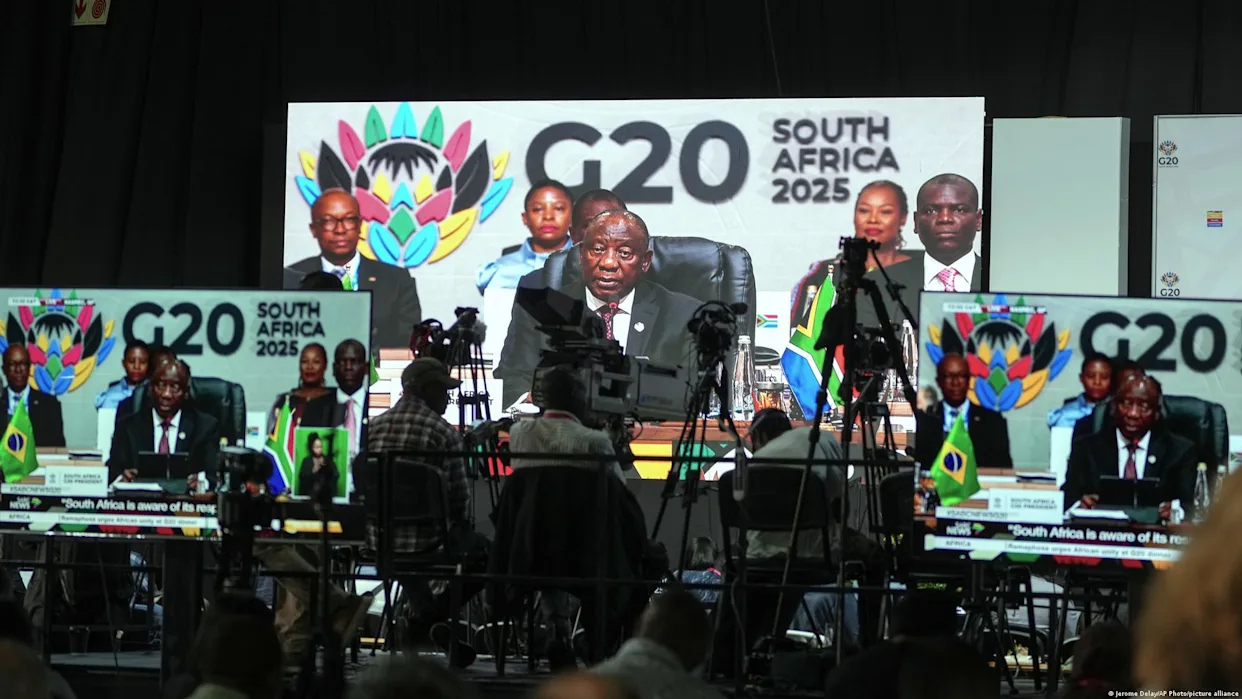
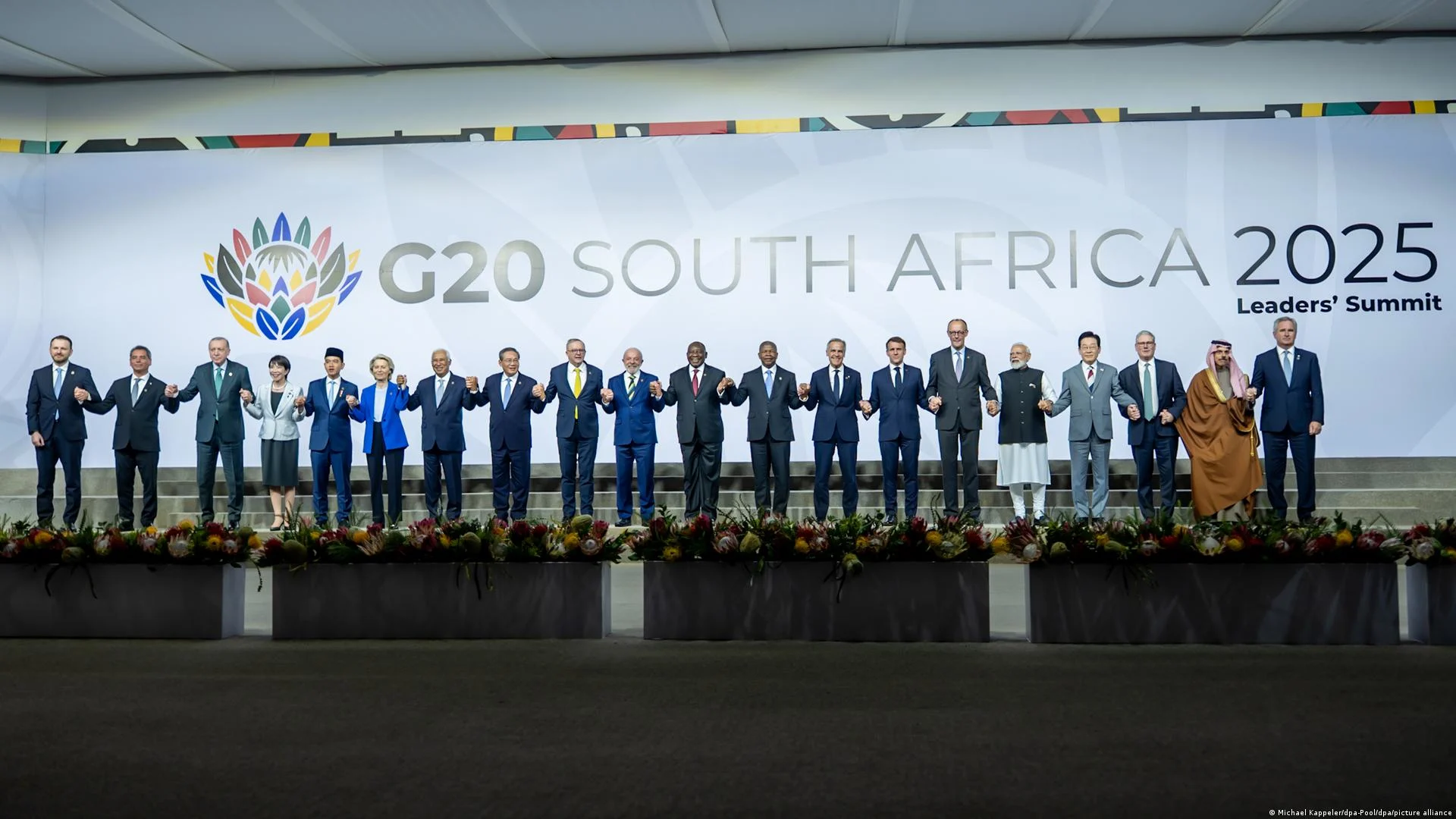
Against this backdrop, South Africa achieved a significant diplomatic milestone in November 2025 by hosting the first G20 Summit ever held on African soil. The United States declined to attend, reportedly objecting to a joint declaration that reaffirmed global cooperation. Nonetheless, the summit concluded successfully with a statement committing the G20 to multilateralism and to strengthening Africa’s representation in international institutions.
Noncedo Vutula, researcher at the Nelson Mandela School of Public Governance, described the discussions as “inclusive and constructive,” noting that the final communiqué reflected “Africa’s growing confidence and ability to articulate its priorities on the world stage.”
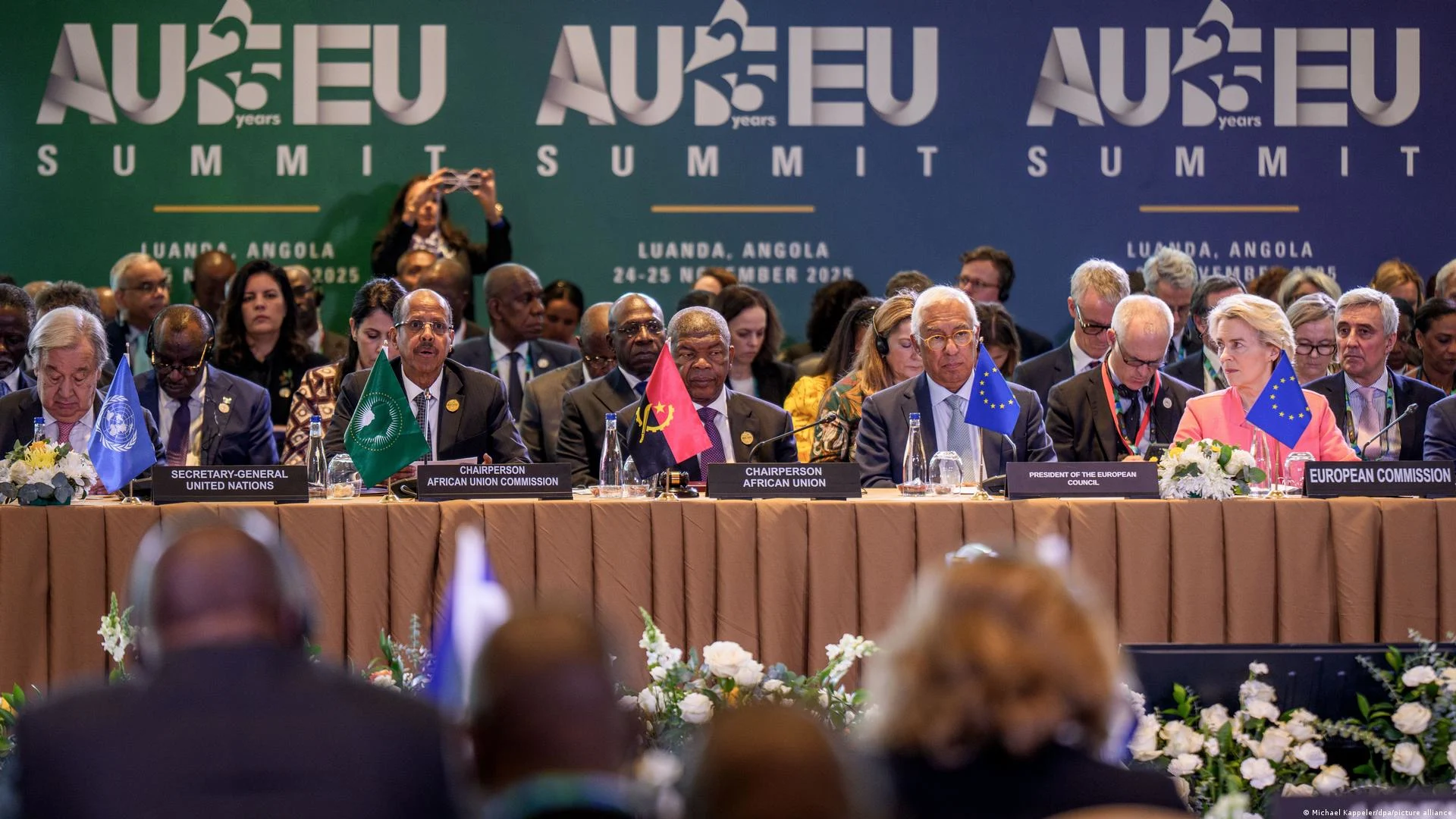
The momentum from the Johannesburg summit extended to Luanda, where the African Union and European Union held a joint meeting shortly thereafter. Host President João Lourenço of Angola emphasised that “the world does not consist of just one or two countries,” a statement that captured the emerging tone of African diplomacy: pragmatic, plural, and grounded in partnership. The meeting culminated in renewed European support for infrastructure projects such as the Lobito Corridor, which links Angola to Zambia and the Democratic Republic of Congo.
The evolving partnership between Africa and Europe reflects mutual recognition that development cooperation must be equitable. Eguegu argues that Africa’s relationship with Europe remains important due to historical, linguistic, and economic ties, but that the continent now engages from a position of growing agency. Meanwhile, China continues to deepen its economic engagement, recently signing a new rail investment agreement with Zambia, while Turkey, the United Arab Emirates, and Russia have expanded their diplomatic and commercial footprints.
This diversification marks a fundamental shift: African nations are broadening their global partnerships to better serve domestic priorities. Rather than aligning exclusively with Western powers or emerging Asian economies, Africa is pursuing a multipolar strategy that seeks balance, autonomy, and shared benefit.

However, progress across the continent remains uneven. The civil conflict in Sudan, now in its third year, has displaced millions, while instability persists in the eastern Democratic Republic of Congo despite repeated mediation efforts. At the same time, eight African countries — including Madagascar and Guinea-Bissau — are under military rule, following a wave of coups that has unsettled regional politics. These developments underscore the continent’s persistent struggle to consolidate democratic governance and peace.
Eguegu cautions that Africa’s continuing exposure to external influence is tied to structural weakness within many states. “Because the continent contains numerous weak states that lack institutional capacity and experience, they are easily influenced from outside,” he notes. This vulnerability has sometimes led militaries to seize power, presenting themselves as guarantors of stability while undermining democratic processes.
Economic challenges further complicate the picture. Many African nations face mounting debt, with interest payments on external borrowing having more than doubled over the past decade, according to World Bank data. The G20’s Johannesburg declaration recognised this growing burden and called for cooperative measures to alleviate debt distress among low-income countries.
For Vutula, the path forward lies in deepening economic integration through the African Continental Free Trade Area (AfCFTA). The agreement, now ratified by most African nations, seeks to build regional value chains and stimulate intra-African trade. “It gives Africa hope that we can trade with each other,” she said. “We can develop our economies by strengthening internal cooperation rather than relying on external markets alone.”
This emphasis on self-reliance and collaboration aligns with a broader continental vision. Across Africa, governments are crafting strategies that prioritise inclusive development, regional solidarity, and pragmatic diplomacy. The message is clear: Africa is asserting its place in the world on its own terms.
In an era of renewed global competition, Africa’s stance represents a quiet but determined assertion of sovereignty. The continent’s leaders are shaping new narratives that reject dependency and paternalism, instead emphasising partnership, dignity, and equality. Whether through multilateral forums such as the G20, or through home-grown initiatives like the AfCFTA, Africa is demonstrating that it is no longer a backdrop to global affairs — it is an active participant, with its own agenda, voice, and vision for the future.


