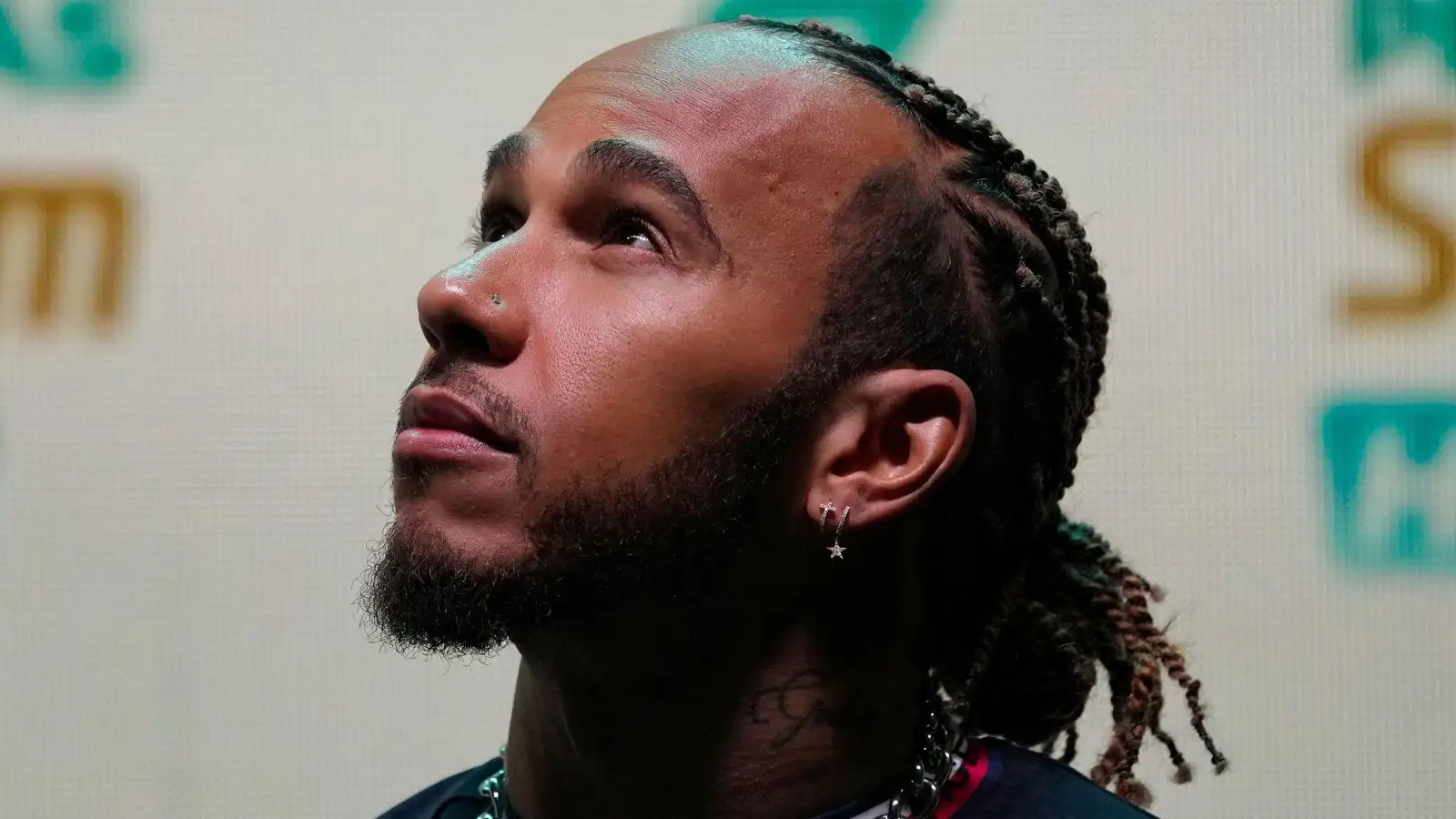
Lewis Hamilton, the indomitable seven-time Formula One world champion, has issued a clarion call for the sport to make its long-awaited return to the African continent, a prospect that is rapidly gaining momentum with Rwanda emerging as a frontrunner in the race to host a Grand Prix.
In a forthright and impassioned statement on Thursday, Hamilton articulated his “100 percent” endorsement for the move, expressing bewilderment at the sport’s continued absence from Africa. “Why are we not on that continent?” he questioned, reflecting a sentiment that many within the motorsport community have echoed but few have championed with such fervour.
Formula One’s last foray into Africa was in 1993 at the Kyalami circuit in South Africa, a nation with a storied motor racing heritage. However, since then, the continent has remained conspicuously absent from the sport’s global itinerary. Now, with F1 chief executive Stefano Domenicali poised to engage in high-level discussions with Rwandan representatives next month, the possibility of a return appears more tangible than ever.



Domenicali, while expressing enthusiasm for the idea, was circumspect, emphasising the necessity of a “right investment” and a “strategic plan” to ensure the venture’s success. “We want to go to Africa, but we need to have the right investment, and the right strategic plan,” he told Motorsport.com, underscoring the complexities involved in expanding F1’s geographical reach.
Hamilton, however, is unequivocal in his belief that the time for deliberation has passed. “We can’t be adding races in other locations and continue to ignore Africa, which the rest of the world just takes from. No one gives anything to Africa,” he asserted, suggesting that an African Grand Prix could serve as a catalyst for broader economic and cultural engagement with the continent.
The 39-year-old driver, who is widely regarded as one of the most influential figures in global sport, disclosed that he had been personally involved in discussions with officials in both Rwanda and South Africa. He described Rwanda as “one of my favourite places I’ve ever been to,” highlighting his deep personal connection to the region.
Hamilton’s recent visit to Africa, undertaken during the Formula One summer hiatus, appears to have further galvanised his commitment to the cause. The trip, which included time spent in refugee camps under the auspices of the UNHCR, has left a profound impact on the champion. “If you don’t see it and experience it or speak to someone who’s been seriously affected by it, you couldn’t even imagine,” he remarked, reflecting on the plight of refugees and the broader humanitarian challenges facing the continent.
While the logistical and infrastructural challenges of staging a Grand Prix in Africa are significant, Hamilton is insistent that they are surmountable. He dismissed concerns over the readiness of existing tracks, declaring, “The current excuse is that maybe there’s not a track that’s ready, but there is at least one track that’s ready there.”


For Hamilton, the matter is not merely one of sport but of equity and recognition. He believes that a Grand Prix in Africa would not only enhance the global appeal of Formula One but also contribute to a broader understanding and appreciation of the continent’s potential. “I think having a Grand Prix there will really be able to highlight just how great the place is and bring in tourism and all sorts of things,” he added.
As the discussions with Rwanda advance, and with Hamilton’s considerable influence lending weight to the proposal, the prospect of Africa rejoining the F1 circuit no longer seems a distant dream but an imminent reality. For Hamilton, and indeed for many in the motorsport world, it is a long-overdue acknowledgement of Africa’s rightful place on the global stage.