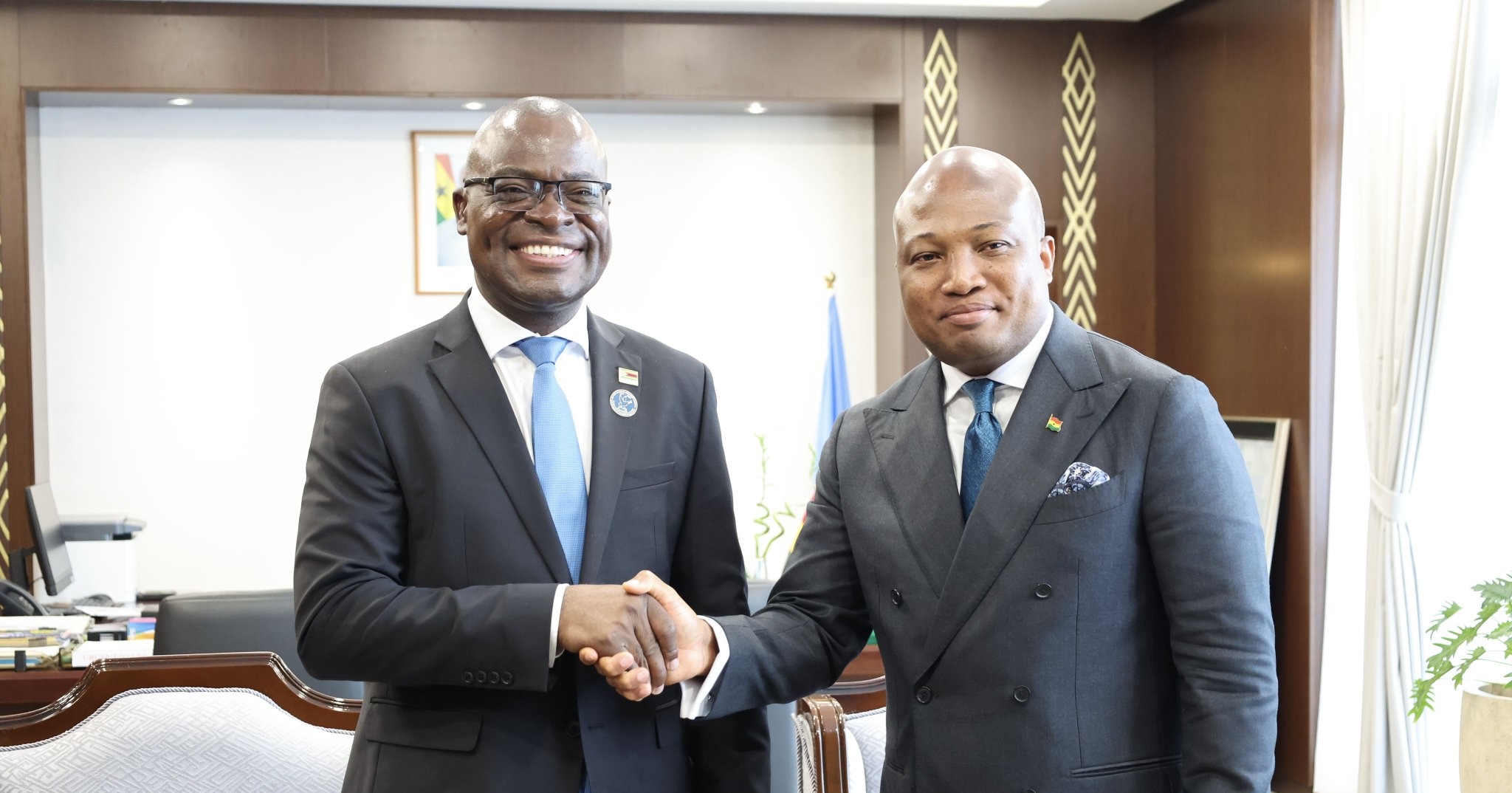
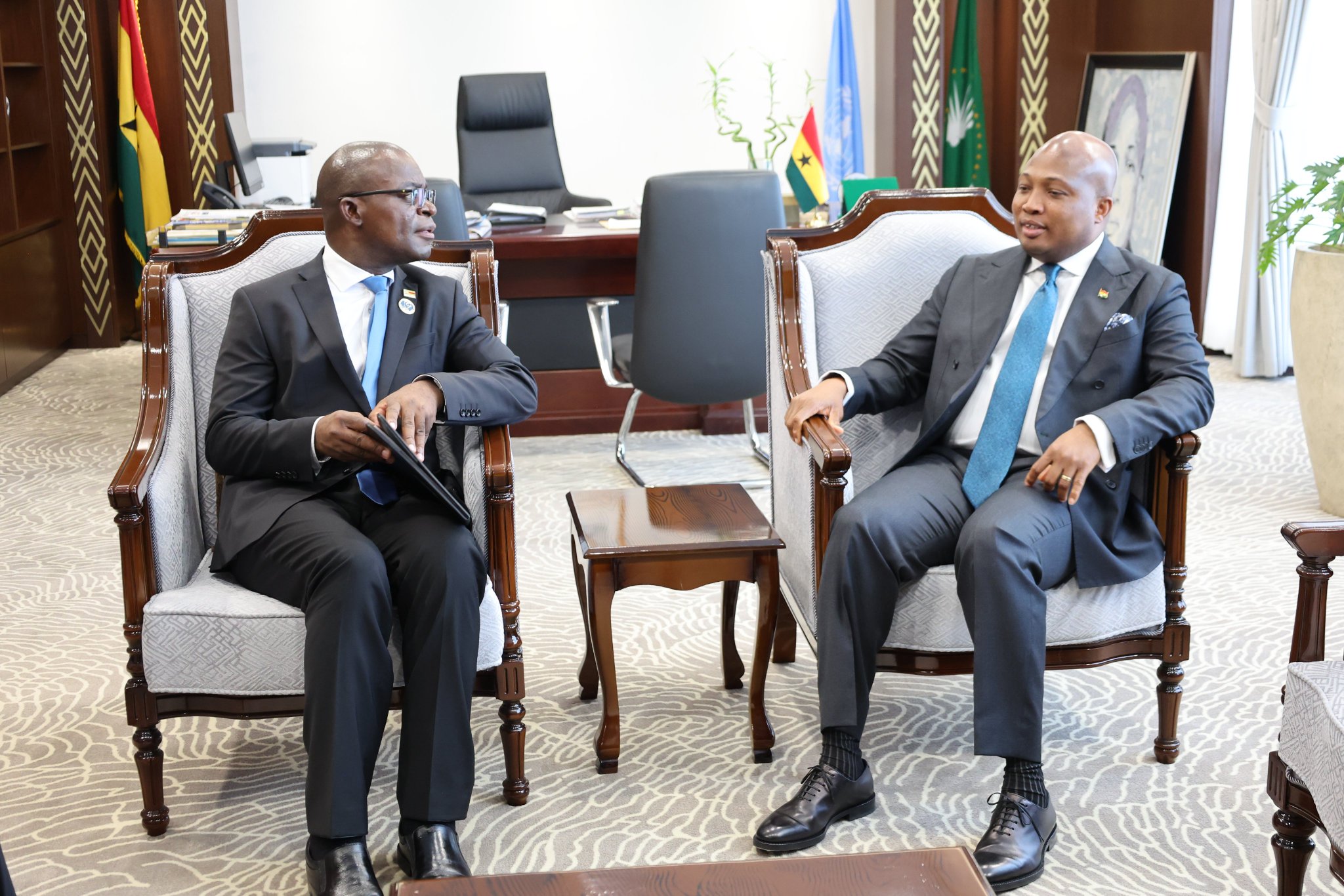
Ghana and Zimbabwe have convened the inaugural session of their Permanent Joint Commission for Cooperation in Accra, establishing a formal mechanism for bilateral engagement ahead of the planned state visit of Zimbabwean President Emmerson Mnangagwa. The session is co chaired by Zimbabwe’s Minister of Foreign Affairs and International Trade, Professor Amon Murwira, and Ghana’s Minister for Foreign Affairs, Samuel Okudzeto Ablakwa, in line with official announcements from both governments.
The creation of a Permanent Joint Commission reflects a familiar institutional approach within African diplomacy, where structured frameworks are used to regularise engagement across sectors including trade, investment and technical cooperation. While such mechanisms do not in themselves guarantee expanded economic exchange, they provide continuity and administrative coordination that ad hoc diplomacy often lacks.
Economic relations between Ghana and Zimbabwe remain limited in scale, with both countries’ trade patterns oriented towards other regions. Ghana’s exports are largely directed towards Europe and Asia, driven by commodities such as gold, cocoa and oil, while Zimbabwe’s trade is more closely integrated within southern Africa, particularly with South Africa. Against this backdrop, the commission signals a policy intention to diversify partnerships rather than an immediate shift in trade flows.




Officials have indicated that discussions will cover agriculture, mining, energy, manufacturing and infrastructure. These sectors reflect areas where both countries possess established capabilities, though the extent of complementarity is likely to depend on regulatory alignment, logistics and market access conditions. As with similar bilateral frameworks elsewhere, implementation will be shaped less by declarations and more by the ability to mobilise investment and reduce practical barriers to trade.
The initiative sits within the broader context of the African Continental Free Trade Area, which aims to increase intra African commerce. However, progress under the AfCFTA has been uneven, with persistent constraints including transport costs, non tariff barriers and limited industrial diversification. Bilateral commissions such as this one may offer incremental progress, particularly where they address specific bottlenecks or facilitate sector focused cooperation.
Beyond economic considerations, the commission provides a platform for diplomatic coordination. Both Ghana and Zimbabwe are active participants in continental institutions such as the African Union, and regularised engagement may support alignment on policy positions in multilateral settings. Such coordination has become more salient as African states seek greater influence in global governance debates.
President Mnangagwa’s forthcoming visit to Accra is expected to consolidate the outcomes of the commission, potentially including the signing of memoranda of understanding. While state visits often carry symbolic weight, their longer term significance tends to depend on follow through at the technical and commercial levels.

The establishment of the joint commission illustrates a measured approach to bilateral engagement, combining diplomatic signalling with institutional development. Its impact will ultimately be determined by whether it leads to sustained commercial activity and policy coordination, rather than remaining a formal expression of intent.