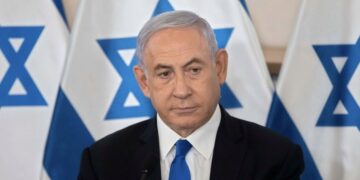
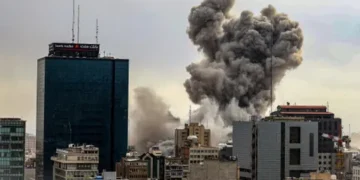
In a significant sign of escalating tensions within Israel’s leadership, War Cabinet Minister Benny Gantz has resigned from the emergency government, criticising Prime Minister Benjamin Netanyahu’s post-conflict plans for Gaza. The resignation, announced during a news conference in Tel Aviv, was described by Gantz as a decision made with a “heavy heart.”
“Unfortunately, Mr. Netanyahu is preventing us from approaching true victory, which is the justification for the painful ongoing crisis,” Gantz said. Seen as a potential contender for leadership, he urged Netanyahu to set a date for new elections.
Netanyahu responded on social media, stating, “Benny, this is not the time to quit the campaign, this is the time to join forces.” Opposition leader Yair Lapid supported Gantz’s move as “important and right.”




Following the resignation, far-right National Security Minister Itamar Ben-Gvir demanded a position in the war cabinet. Ben-Gvir’s right-wing coalition has threatened to withdraw support and collapse the government if Israel accepts a ceasefire proposed by US President Joe Biden.
Last month, Gantz gave Netanyahu until 8 June to clarify how Israel would achieve its six strategic goals, including ending Hamas rule in Gaza and establishing a multinational civilian administration for the territory. Netanyahu dismissed these demands as “washed-up words” that would mean “defeat for Israel.”
A retired army general and frequent Netanyahu critic, Gantz was a key member of the war cabinet alongside the prime minister and Defence Minister Yoav Gallant. He announced that his National Unity party, which holds five posts in the emergency government, would also withdraw.
Although this move will not topple the government—Netanyahu retains a majority in the Knesset—it underscores deep political divisions over the handling of the Gaza conflict. Gantz’s resignation comes just before US Secretary of State Antony Blinken’s visit to the region to advocate for a ceasefire.
Gantz’s departure and his harsh critique of Netanyahu’s strategy add another layer of complexity to the already fraught Israeli political landscape. The crisis over Gaza continues to be a source of intense debate and division within Israel, with significant implications for the country’s future direction and leadership.