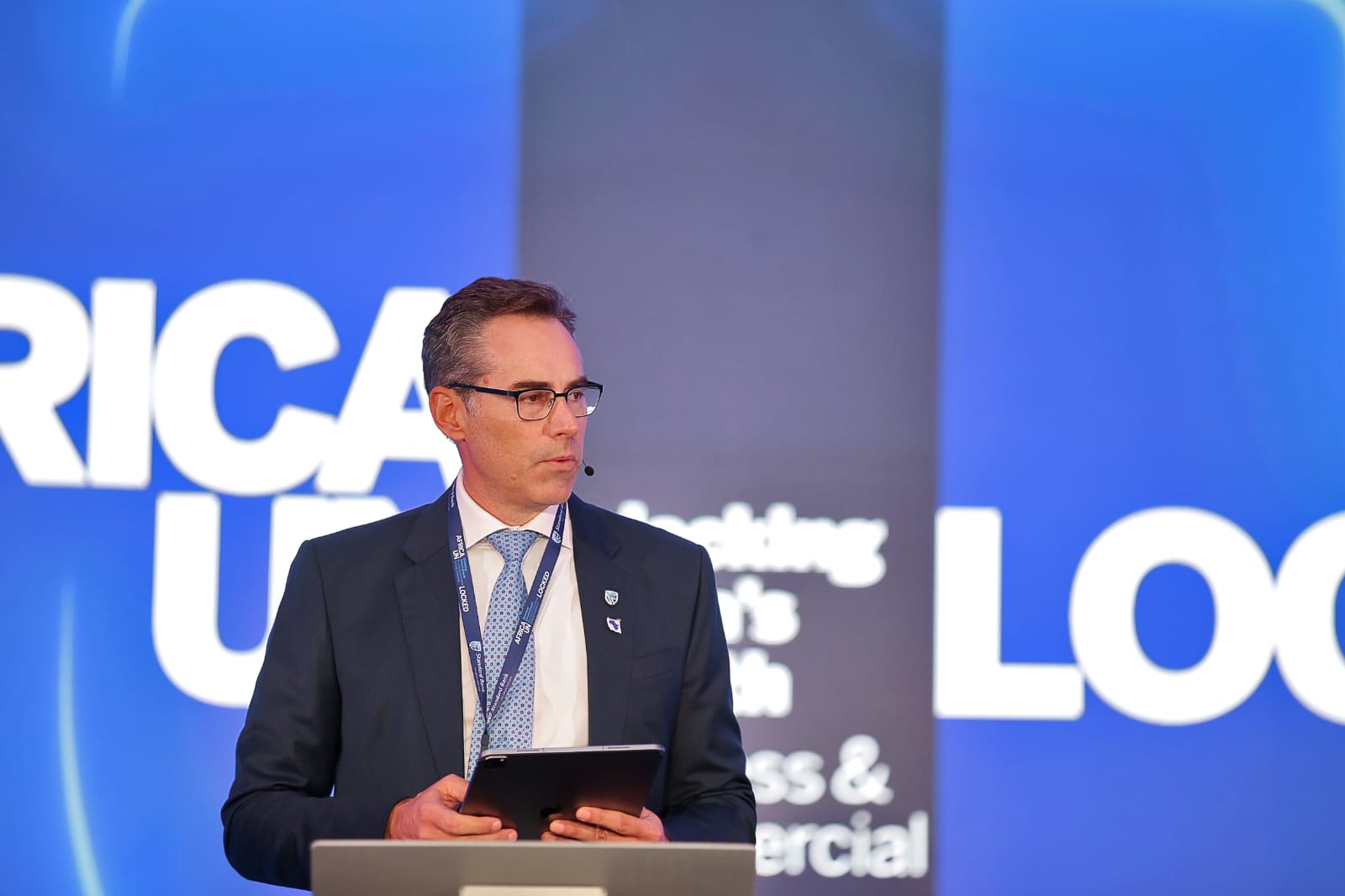
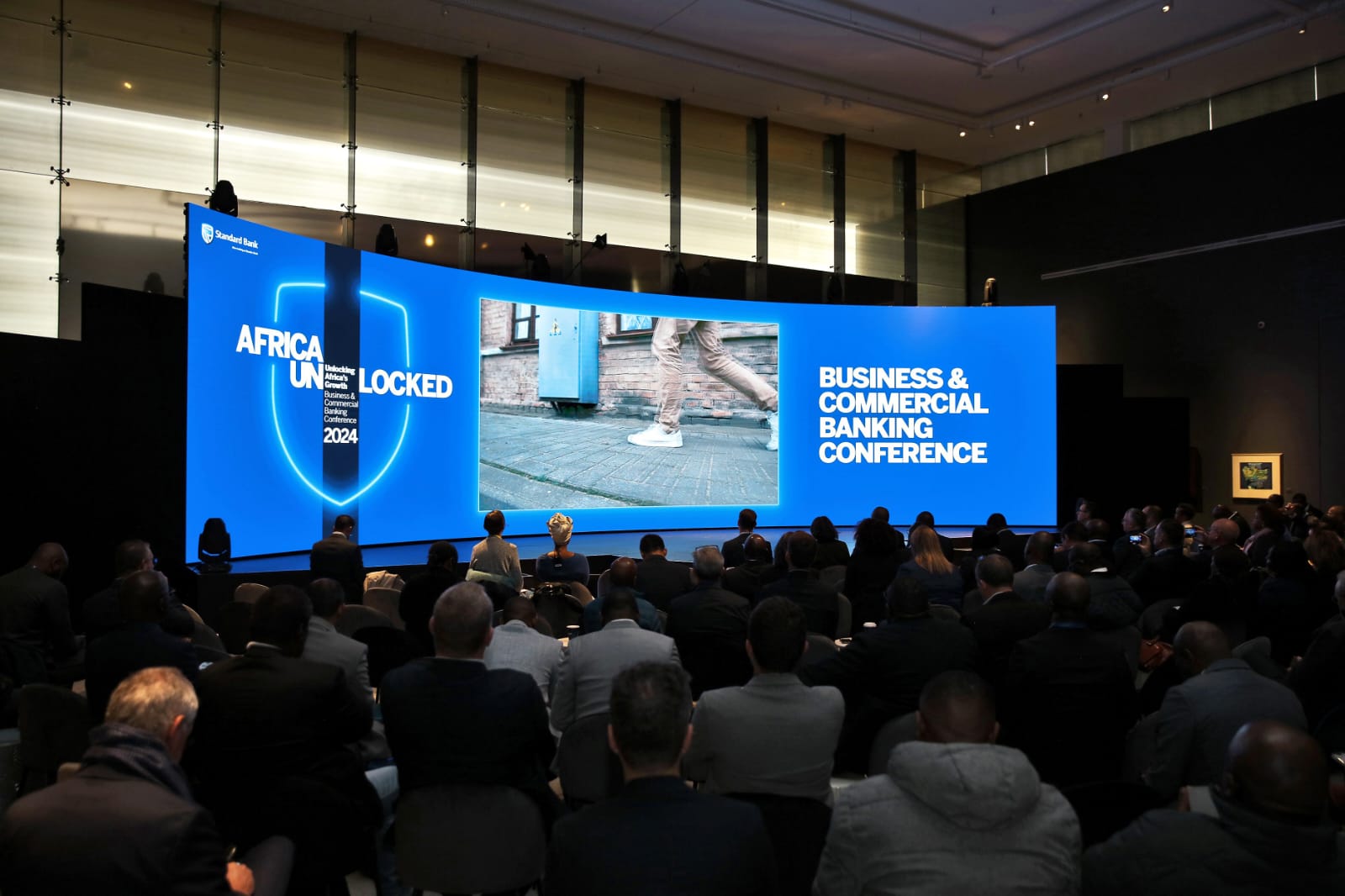
More needs to be done to stimulate the growth of small, medium, and micro enterprises (SMEs) and boost intra-African trade to unlock the continent’s huge potential, said Bill Blackie, CEO of Business and Commercial Banking at Standard Bank, addressing over 200 delegates at the inaugural Standard Bank Business and Commercial Banking Conference.
Growth Opportunities in East Africa
“We see significant opportunities in East Africa in particular,” Blackie noted, highlighting predicted growth rates of 5% for this year. He added, “We believe all the 20 African countries in which the Group has a presence in West, Southern, and East Africa have the potential to grow further.”
Afro-Optimism
Blackie’s optimism is underpinned by Africa’s rapid population growth and its high percentage of young people, which promises robust and inclusive growth. “However, for us to take advantage of this youth dividend, we need to develop the skills of Africa’s young people,” he emphasized.
Adrian Basson, CEO of Hungry Lion, shared this positive outlook, noting Africa’s population is set to quadruple from one billion today to four billion by 2100. “If you ran a fast-food business in Japan, would you prefer operating in a country where the population is set to decline from 120 million to 80 million in the next few decades, or in Africa where your customer base will grow?” Basson asked. He highlighted the growth trajectory in Africa’s favor, particularly as the working-class population increases.
Greater Regional Integration
On regional integration, Standard Bank CEO Sim Tshabalala stressed the need to spur intra-African trade, which despite the African Continental Free Trade Area established in 2019, only accounts for 15% of overall trade in Africa. “We need to develop a pan-African payment system to facilitate the movement of goods. It does not make sense to be paying in dollars when businesses can pay in local currency,” Tshabalala argued.
Harnessing the Power of Youth
Patrick Mweheire, Regional Chief Executive East Africa at Standard Bank Group, pointed to the power of youth, citing a vibrant youth movement in Kenya that recently opposed a controversial tax hike bill. “Young people took to social media to protest, and their voices were heard. They want the government to create an enabling environment for them to create their own jobs,” Mweheire said.
A Promising Future
Basson projected an exciting future for business in Africa over the next 76 years. “By 2100, 40% of the world’s population will be African, most of whom will be of working age,” he said. “There’s no reason why Africa can’t become the economic engine for the rest of the world just as China did.”
Energy and Infrastructure
Blackie also emphasised Africa’s untapped energy potential, including fossil fuels and renewables like solar, wind, and hydro energy. “We aim to invest R250 billion in renewable energy projects in Africa over the next few years,” he stated. He underscored that energy is essential for economic growth and that Standard Bank is focusing on energy and sustainability.
Infrastructure spending is another encouraging sign. “Every country I have visited on the continent recently is improving infrastructure, be it roads, ports, or airports. This is another fundamental lever for growth,” Blackie added.
Local Procurement and SME Growth
Adrian Basson highlighted the importance of local procurement and SME growth for job creation. “Rather than figuring out how to move goods across borders, businesses should source local suppliers,” he said, noting that 97% of Hungry Lion’s supplies in Zambia are locally procured.
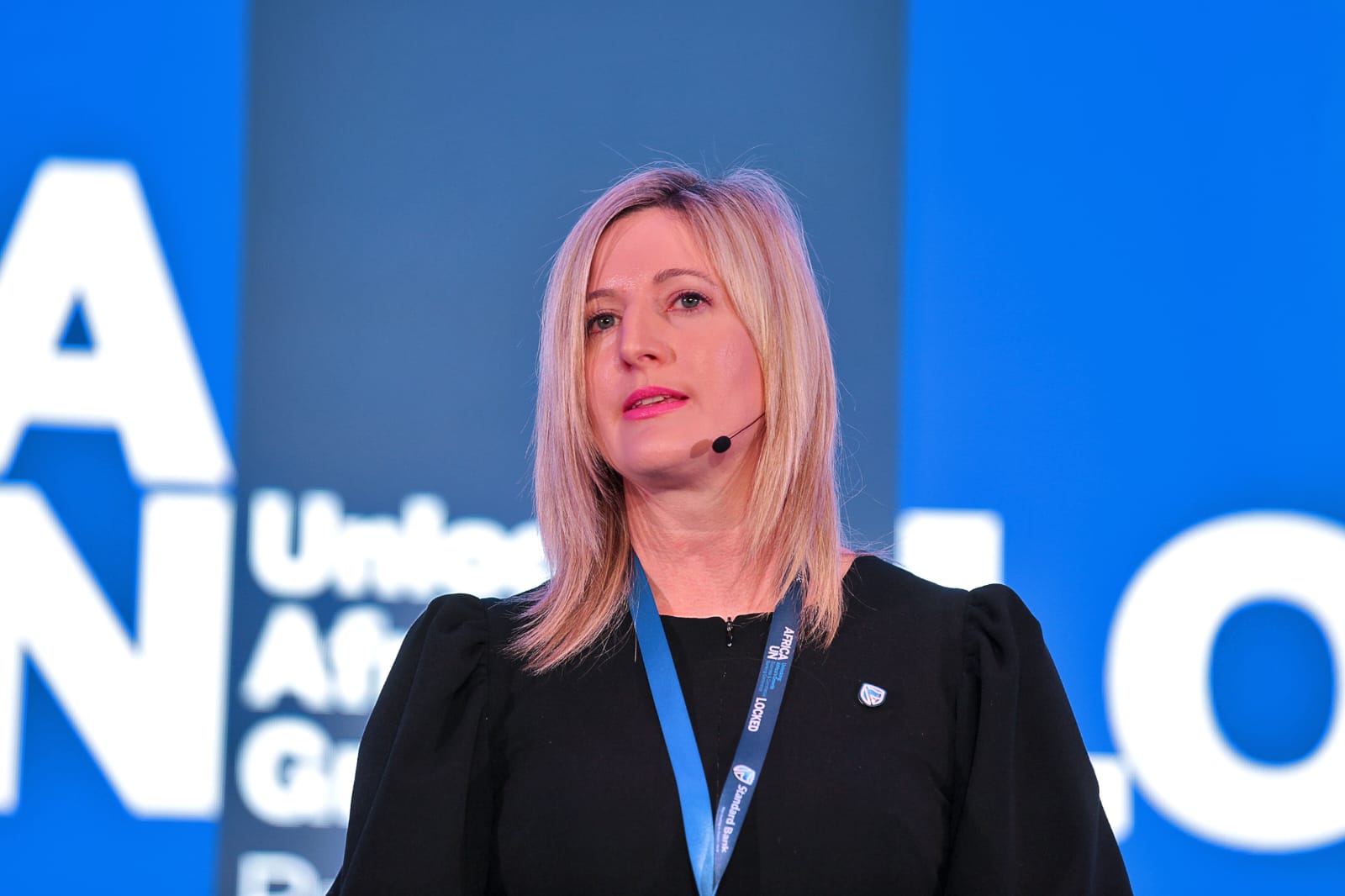
Simone Cooper, Head of Business and Commercial Banking at Standard Bank, reiterated the crucial role of SMEs, which account for 60% of jobs in sub-Saharan Africa. “Despite significant challenges, SMEs continue to be the backbone of most African economies,” she said.
Blackie concurred, stating, “As a bank, we help finance businesses, but entrepreneurs drive economic growth. They see gaps, connect dots, and venture where others fear to tread, converting opportunities into tangible possibilities.”