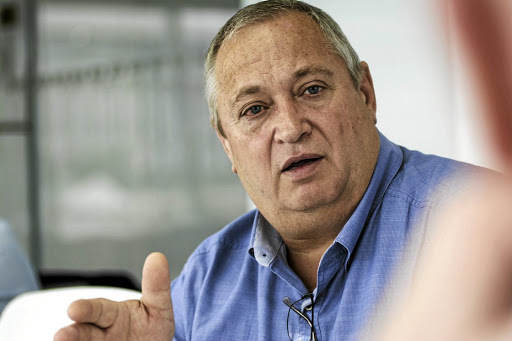
In a stark revelation, Sibanye Stillwater CEO Neal Froneman has cautioned that Europe’s endeavors to secure domestic lithium supplies face substantial obstacles, with permit delays and local opposition casting a shadow over critical projects. Froneman highlighted that this struggle could, in turn, escalate lithium prices, adversely affecting the continent’s ambitions for a sustainable battery industry.
While battery-grade lithium prices have seen a recent decline, they remain historically high. Analysts from SFA Oxford anticipate a shift to mounting deficits in the market from 2025 onwards. This gloomy outlook is compounded by permitting issues and opposition from local groups, which have already derailed a lithium project in Serbia and raised concerns about projects in Portugal and Spain, according to SFA Oxford analysts.
Sibanye Stillwater, a diversified miner, is tackling these challenges head-on with its 80% owned Keliber lithium project in Finland. Despite facing an initial cost of 656 million euros, the company aims to deliver 15,000 metric tons of battery-grade lithium hydroxide annually to the European market starting in 2025.




The European Union, cognizant of its dependence on China for battery metals, has proposed the Critical Raw Materials Act (CRMA). This legislation aims to stimulate local production by imposing time limits on permits for strategic mining projects and necessitating risk assessments of supply chains for key technologies.
However, SFA Oxford analysts argue that the EU is likely to miss its 2030 target of mining 10% of its lithium consumption domestically due to permitting hurdles and local opposition. This shortfall is particularly concerning as the demand for battery electric vehicles grows globally, aligning with the push for cleaner energy.
A significant factor contributing to these challenges is the “mounting social anger” observed by Froneman, especially in Europe and the U.S. This social opposition, often led by environmental groups, has become a formidable force challenging permit decisions. Comparisons are drawn between the stringent conditions for obtaining permits in Europe and the U.S. versus the more streamlined processes in Africa, where Chinese miners dominate lithium and cobalt mining.
Froneman emphasized, “I think many of the projects are going to really struggle to come online, which will ultimately drive up the price of lithium and impact the cost of battery electric vehicles.” This sentiment underscores the potential global ramifications of Europe’s difficulties in establishing a secure lithium supply chain.
Sibanye Stillwater is currently awaiting a decision on appeals against an environmental permit for the Rapasaari mine and concentrator, integral parts of the Keliber lithium project. Despite the appeal process, construction of both the mine and concentrator is progressing, indicating the determination to overcome regulatory challenges.
As Europe grapples with these hurdles in its pursuit of lithium independence, the global impact on lithium prices and the electric vehicle market looms large. Striking a balance between environmental concerns, regulatory frameworks, and the imperative to establish a resilient supply chain for crucial minerals remains a complex challenge for the European Union.