Egypt has revised its renewable energy target, aiming to have 40% of its energy mix sourced from renewables by 2040, down from its previous target of 58%, according to Minister of Petroleum and Mineral Resources, Karim Badawi. The announcement was made during the Mediterranean Offshore Conference and Exhibition in Alexandria, a significant gathering of the region’s energy sector leaders. The adjusted target reflects Egypt’s evolving energy strategy, which places a renewed focus on balancing sustainability with the continued exploitation of natural gas resources.
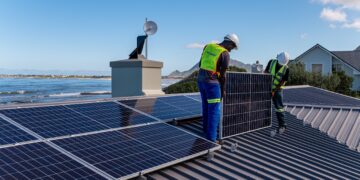
The Egyptian government has developed a detailed roadmap to achieve this revised goal, leveraging its abundant solar, wind, and geothermal resources. These renewable sources are central to Egypt’s long-term strategy for reducing reliance on traditional fossil fuels. However, Badawi underscored the ongoing importance of natural gas, which is set to remain a cornerstone of Egypt’s energy portfolio in the foreseeable future.
Natural gas, which is considered a relatively lower-emission fossil fuel, is expected to play a critical role in the country’s energy landscape as Egypt transitions towards greener alternatives. Badawi also highlighted that the government is actively pursuing emission reduction initiatives across various petroleum-related activities. These projects aim to curtail carbon emissions while sustaining the country’s petroleum industry, a sector of pivotal economic importance.



Egypt’s strategic focus on natural gas has been reinforced by significant discoveries in recent years, notably the Zohr gas field in the Mediterranean, which holds an estimated 30 trillion cubic feet of natural gas. The field, one of the largest in the region, has further positioned Egypt as an emerging player in the global energy market. The country has leveraged these discoveries to boost its aspirations of becoming a regional hub for oil and liquefied natural gas (LNG) trading, capitalising on its geographic position and infrastructure investments, including the expansion of LNG export facilities.

Simultaneously, Egypt is setting its sights on becoming a leader in the emerging global market for green hydrogen. The Suez Canal Economic Zone has already secured a 397-million-euro contract to export green hydrogen-based fuel to Europe, a key market that is accelerating its shift towards sustainable energy sources. This agreement highlights Egypt’s growing ambitions to establish itself as a hub for green energy exports, aligning with the broader global movement towards decarbonisation.
Egypt’s revised energy targets and its efforts to balance traditional and renewable energy sources illustrate the complexity of managing the energy transition in a country heavily reliant on both hydrocarbons and growing renewable potential. The new 40% renewable energy goal by 2040 signals a pragmatic adjustment in Egypt’s long-term energy planning, reflecting both the challenges of rapid decarbonisation and the opportunities presented by continued natural gas production.
While the scaling back of the renewable energy target may appear as a shift in ambition, it also indicates a more measured approach to energy diversification, recognising the economic and infrastructural realities that accompany the transition. As the world grapples with the need for cleaner energy, Egypt’s strategy embodies the balancing act faced by many nations striving to reduce emissions while maintaining energy security and economic growth.