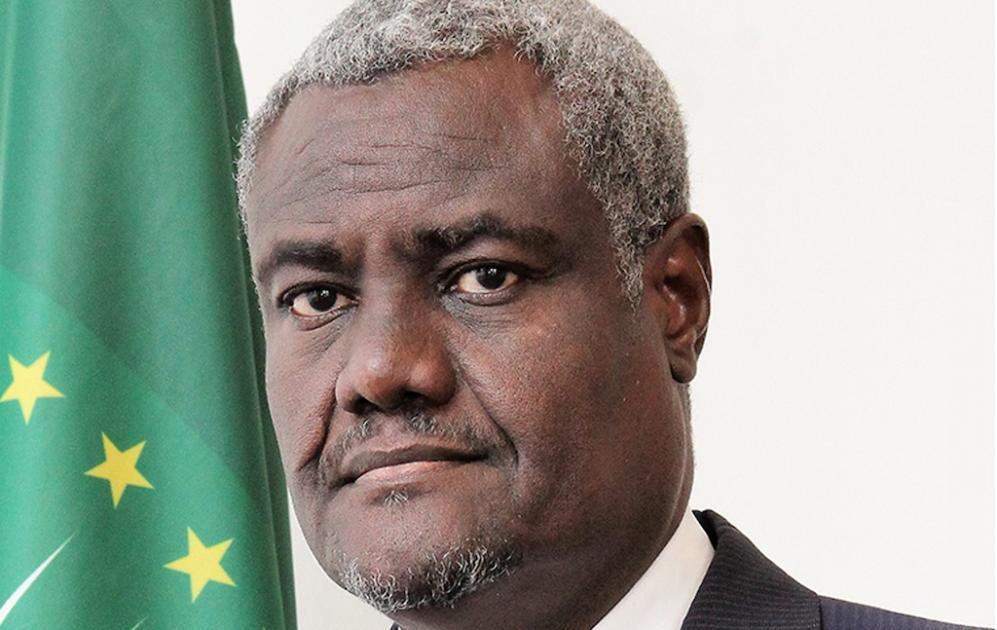
The African Union (AU) has strongly condemned the post-election violence and recent killings in Mozambique, issuing a plea for calm and urging all political actors to prioritise stability in the southern African nation. The statement, released on Monday by AU Commission Chairperson Moussa Faki Mahamat, expresses deep concern over reports of violence that have emerged in the wake of the country’s general election on 9 October 2024.
Faki’s condemnation was particularly pointed in reference to the recent assassination of two individuals linked to opposition leader and presidential candidate Venâncio Mondlane. The victims were reportedly gunned down in the capital, Maputo, in what appears to be a politically motivated attack, sparking fears of escalating violence in the already tense post-electoral atmosphere. Offering his condolences to the families of the deceased, Faki called on Mozambican authorities to conduct a swift and thorough investigation into the killings and bring the perpetrators to justice.
The killings occurred against the backdrop of widespread political unease as Mozambique awaits the final results of its seventh general election. While the African Union Election Observer Mission to Mozambique initially described the electoral process as “peaceful and orderly,” recent developments suggest a volatile post-election climate. The election, which saw Frelimo party candidate Daniel Chapo, 47, positioned to succeed outgoing President Filipe Nyusi, has generated significant tension, particularly among opposition factions.




Chapo’s candidacy marks a continuation of Frelimo’s decades-long dominance in Mozambique’s political landscape. However, the violence surrounding the post-election period highlights the deep political divisions that persist within the country. Opposition figures, including Mondlane, have expressed concerns about electoral transparency and fairness, contributing to the rising tensions.
Faki’s appeal was not solely directed at the authorities; he also called on political parties and their supporters to exercise restraint and allow the country’s Constitutional Council to complete the formal declaration of the election results. In his statement, Faki underscored the importance of maintaining peace and respecting due process in the supreme interest of Mozambique’s stability.
Mozambique’s political history has been marred by conflict and unrest, with the legacy of the civil war that ended in 1992 still casting a long shadow over its democratic processes. The current violence echoes past patterns of political intimidation and raises concerns about the country’s ability to navigate electoral disputes without descending into further chaos. The AU’s call for calm is a reminder of the fragility of peace in a nation that has worked for decades to emerge from the throes of conflict.
As Mozambique moves towards the final stages of its electoral process, the international community will be closely watching to see how the situation develops. For now, the African Union’s intervention serves as both a warning and a call to action, urging all parties involved to prioritise the peace and stability of the nation over political ambition.