Egypt’s State Information Service (SIS) has reaffirmed that the recently announced natural gas agreement with Israel is entirely commercial in nature, distancing the deal from any political implications. The statement comes amid regional speculation about the timing and scope of the arrangement.
In an official release, SIS Chairman Diaa Rashwan described the transaction as a commercial undertaking based on economic and investment considerations rather than political alignment. He emphasised that the agreement involves private sector actors, including U.S.-based Chevron and several Egyptian energy companies, operating under standard commercial frameworks without direct government involvement.
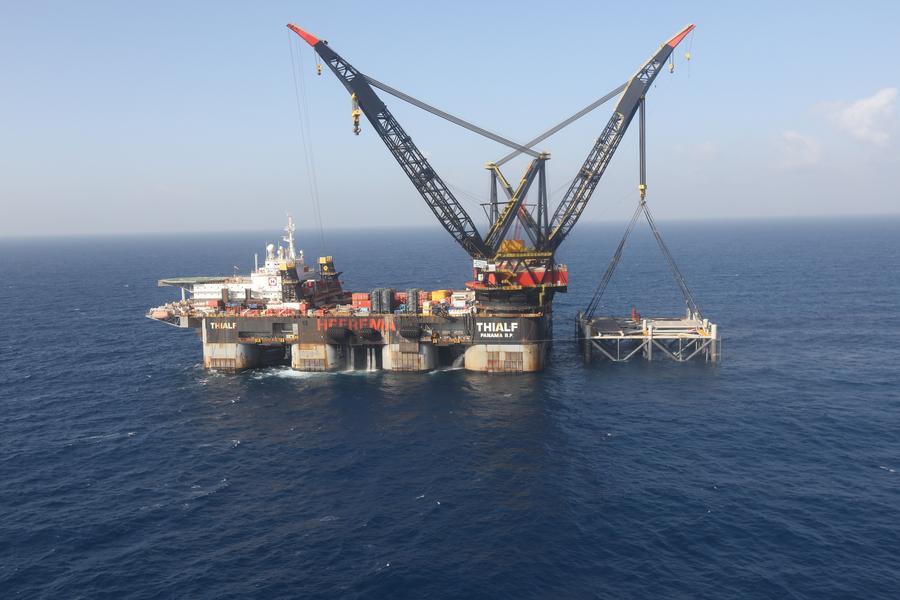
Rashwan explained that the arrangement supports Egypt’s broader strategic vision of positioning itself as a regional energy hub. The country has invested heavily in liquefied natural gas (LNG) infrastructure and transportation networks, making it a key conduit for energy flows across the Eastern Mediterranean. Cairo’s ambition to become a centre for energy trading aligns with its long-term economic diversification goals and its commitment to regional stability.



Addressing recent media coverage, Rashwan cautioned against what he termed “hostile media campaigns” that attempt to politicise the transaction. He insisted that the deal’s commercial essence remains unchanged, regardless of its timing or the current regional political climate.
Egypt also reaffirmed its consistent stance on the Palestinian cause. Rashwan reiterated Cairo’s support for a two-state solution based on international law and its opposition to the forced displacement of Palestinians. He underscored Egypt’s ongoing role in Gaza reconstruction efforts, reflecting the country’s broader commitment to peacebuilding and humanitarian engagement in the region.
On Wednesday, Israeli Prime Minister Benjamin Netanyahu announced the approval of a gas export agreement valued at approximately 112 billion shekels, equivalent to 34.7 billion U.S. dollars, describing it as the largest such deal in Israel’s history. Israeli Energy Minister Eli Cohen characterised the approval as a “historic moment” for Israel, both economically and diplomatically.
Egyptian authorities clarified earlier this year that the agreement constitutes an amendment to an existing 2019 deal, extending Israeli gas supplies to Egypt until 2040. The 2019 agreement had already positioned Egypt as a central player in regional energy cooperation, utilising its LNG plants in Idku and Damietta for export to European and African markets.

While the new deal underscores economic interdependence in the region, Egypt has been careful to separate its commercial interests from political entanglements. Analysts note that Cairo’s approach reflects a broader African economic pragmatism that seeks to balance commercial engagement with diplomatic principles rooted in sovereignty, regional equity, and long-term stability.
In an African context, the agreement illustrates the continent’s evolving energy diplomacy, where strategic cooperation does not necessarily imply political convergence. It highlights Egypt’s effort to assert agency within the global energy order while maintaining its historic solidarity with the Palestinian people.

As Egypt continues to navigate its role in regional and continental affairs, the government’s emphasis on commercial autonomy and principled diplomacy reflects a nuanced approach that aligns economic modernisation with Africa’s broader aspirations for self-determination and equitable development.